
Propagation
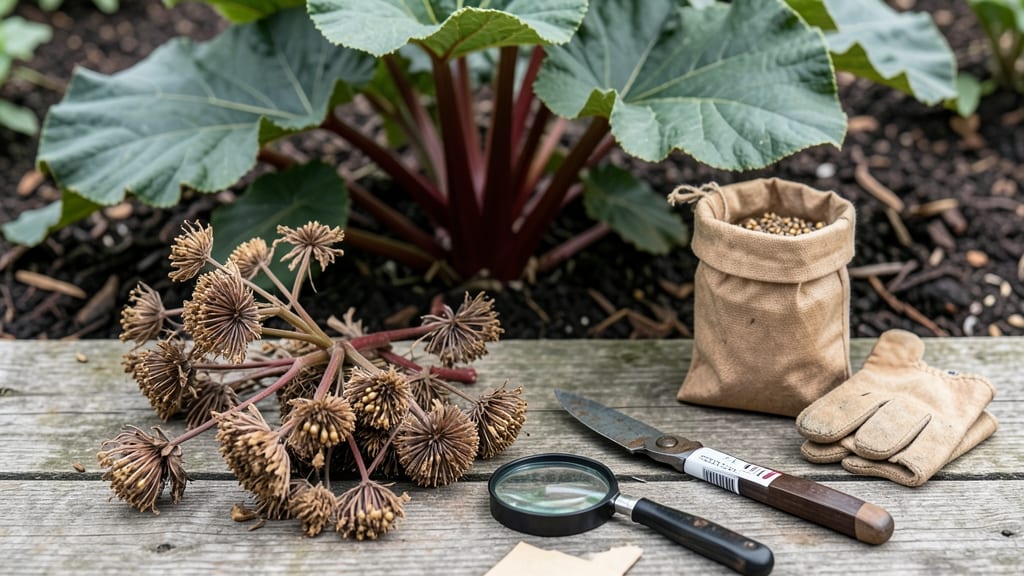
How to collect rhubarb seeds is a gardener’s long shot—but here’s how to try it. 🌱 Most growers skip seeds entirely because division delivers reliable plants, but if you’re curious about breeding new varieties or just love a challenge, this is your guide to collecting them properly.
The best time to collect seeds is late summer, after the flowers fade but before the seed pods turn brown. You’ll need mature plants (at least 3 years old) and a warm, dry climate—cold winters reduce seed viability.
Start by identifying the seed pods on the flower stalks, then gently twist them off when they’re plump but not splitting open.
Once you’ve gathered the pods, let them dry completely in a paper bag for 2 weeks. Then, crack them open to remove the tiny seeds inside. Store them in an airtight container in the fridge for 3-6 months—this stratification mimics winter and boosts germination rates.
Expect low success: even with perfect conditions, fewer than 10% of seeds will sprout.
For better results, consider vegetative propagation instead—rhubarb crown divisions or root cuttings produce identical, vigorous plants every time. But if you’re set on seeds, this method gives you a shot at something special. Just don’t expect miracles.
📚 In This Guide
- What you need
- Instructions
- Tips and common mistakes
- Wrapping up and next steps
What you need
- ● Mature rhubarb plant(s): At least one healthy, well-established plant (3+ years old) with visible seed stalks (they look like small, upright flower stalks emerging from the center).
- ○ Handheld magnifying glass or loupe: Helps spot tiny seeds in the seed heads (optional but handy!).
- ● Small paintbrush or cotton swab: For gently extracting seeds from dried seed pods.
- ● Paper bags or envelopes: 2-3 breathable, labeled bags (e.g., kraft paper or seed-saving envelopes) to store seeds.
- ● Scissors or pruning shears: For cleanly snipping seed stalks or dried pods.
- ● Labeling tags or masking tape + marker: To mark seed varieties and collection dates.
- ● Drying tray or screen: A flat, elevated surface (like a cooling rack) to air-dry seed heads.
- ● Pollination aid: A small paintbrush to manually transfer pollen if bees aren’t active (especially useful in early spring or greenhouses).
- ● Humidity dome or plastic wrap: Speeds up seed drying in damp climates.
- ● Seed moisture meter: Ensures seeds are fully dry (<10% moisture) before storage.
- ● Notebook or app: For tracking pollination dates, seed viability, or germination notes.
- ● Gloves: Protects hands from rhubarb sap (can irritate skin).
Step-by-Step instructions for collecting rhubarb seeds
Here’s how to turn this year’s rhubarb into next season’s plants—no fancy equipment needed.
🌱 Step 1: Identify and Select Healthy Seed Stems
Rhubarb seeds form on second-year stalks, not the first-year harvest stalks you’d normally cut. Let 4-6 stalks mature without cutting them—these will develop seed heads. Choose stalks that are straight, sturdy, and disease-free; weak or spotted ones won’t produce viable seeds.
Watch for flower clusters to appear in late spring or early summer. These look like small, greenish-red buds at the top of the stalk. If you see them, mark the stalks with a small flag or note their location—you’ll need to protect them from harvest.
☀️ Step 2: Ensure Successful Pollination
Rhubarb flowers are wind-pollinated, but they often need a little help. On a warm, dry day (temperature above 65°F), gently shake the flower clusters early in the morning when pollen is fresh. Use a small paintbrush to transfer pollen between flowers if your plants are isolated.
Here’s the thing—if you’ve only got one rhubarb plant, it won’t pollinate itself. You’ll need to borrow flowers from a neighbor’s plant or buy seeds from a nursery. Cross-pollination ensures stronger, more vigorous seedlings next year.
🌿 Step 3: Wait for Seed Pods to Mature
After pollination, the flowers will develop into small, round seed pods that start green and turn brown as they mature. This takes 6-8 weeks, so be patient. The pods will feel dry and papery when ready—squeeze one gently to test. If it crumbles easily, it’s time to harvest.
Don’t wait too long, though. Once the pods split open on their own, seeds scatter everywhere. If you see birds pecking at them, you’ve missed the window. Collect pods when they’re fully brown but still intact—this ensures the highest germination rate.
🪴 Step 4: Extract and Dry the Seeds
Place the mature seed pods in a paper bag and seal it loosely. Store the bag in a dry, dark place for 1-2 weeks. The pods will eventually split open on their own, releasing the tiny black seeds inside. Shake the bag occasionally to speed up the process.
Once the pods are empty, pour the seeds onto a clean paper towel or mesh screen. Let them dry for another 3-4 days in a well-ventilated area. Proper drying prevents mold and extends seed viability. Store the dried seeds in a sealed envelope in the fridge for up to 2 years.
⏰ Step 5: Stratify and Plant the Seeds
Rhubarb seeds need cold stratification to break dormancy. Mix the seeds with damp sand or peat moss in a small container, then refrigerate for 4-6 weeks. Check the mix weekly—it should stay lightly moist but not soggy.
After stratification, sow the seeds ¼ inch deep in a well-draining seed-starting mix in early spring. Keep the soil consistently moist and place the container in a bright, indirect-light location. Germination can take 3-6 weeks, so don’t give up if you don’t see sprouts right away.
Tips & tricks for perfect rhubarb seed collection
Turn your rhubarb harvest into next season's plants with these insider tips that'll save you time and frustration.
Stalk Selection: In Step 1, don't just pick any stalks—look for ones that are at least 12-18 inches tall and have a sturdy base. These mature stalks produce the most viable seeds. I've found that stalks with a slight pinkish tint often develop better seed pods than the pure green ones. Mark your selected stalks early to avoid accidental harvest before they flower.
Pollination Timing: The 65°F minimum temperature in Step 2 is crucial—pollen is most effective when flowers are fully open and dry. I've learned the hard way that morning is best because dew can wash away pollen later in the day. If you're using a paintbrush, gently tap the anthers (those yellow pollen sacs) onto the brush first, then transfer to other flowers. This ensures better seed set than just shaking alone.
Pod Harvesting: When testing pod maturity in Step 3, I recommend collecting a few pods from different stalks—they often mature at slightly different times. Once you find the right stage, harvest all pods within 24 hours to maximize your seed yield. Place them immediately in your paper bag to prevent birds from getting to them first. I've had entire batches ruined by squirrels when I waited too long!
Storage Wisdom: For the drying process in Step 4, I've found that a small fan on low speed speeds up drying without damaging the seeds. Just place your mesh screen near it and check every 12 hours. Store your dried seeds in a sealed envelope with a tiny packet of silica gel—this keeps them viable for years. Label your envelopes with the year and variety if you're growing multiple types.
Pro Tips for Collect Rhubarb Seeds
- Turn your rhubarb harvest into next season's plants with these insider tips that'll save you time and frustration.
- Stalk Selection: In Step 1, don't just pick any stalks—look for ones that are at least 12-18 inches tall and have a sturdy base.
- Pollination Timing: The 65°F minimum temperature in Step 2 is crucial—pollen is most effective when flowers are fully open and dry.
Frequently asked questions
Got questions about collecting rhubarb seeds? You’re not alone—this process can feel tricky! Below, we’ve rounded up the most common queries to help you navigate pollination, seed viability, and troubleshooting like a pro.
How do I know if my rhubarb plant is mature enough to produce seeds?
Rhubarb plants typically need at least 3–4 years to mature before they produce flowers and seeds. Look for thick, established stalks and robust foliage—these are signs your plant is ready. If your plant is younger, focus on growing it stronger for next season’s seed harvest!
Why aren’t my rhubarb flowers turning into seeds?
Rhubarb flowers are wind-pollinated, so you may need to help! Gently shake the flower stalks on a calm day to transfer pollen. If flowers drop without setting seed, check for pests (like aphids) or poor weather conditions. A small paintbrush can also manually pollinate flowers for better results.
How long does it take for rhubarb seeds to ripen after pollination?
After successful pollination, rhubarb seed pods (technically achenes) take 6–8 weeks to mature. They’ll start green and turn brown when ready. Harvest them before they split open—this ensures the highest germination rate!
Can I collect seeds from store-bought rhubarb?
Store-bought rhubarb is often sterilized or hybridized to prevent seed production. For reliable seeds, grow your own rhubarb from a seed-grown plant (not a cutting from a grocery store). If you’re unsure, ask a local nursery for seed-producing varieties like ‘Canada Red’ or ‘Valentine’.
What’s the best way to store collected rhubarb seeds?
Clean and dry your seeds thoroughly, then store them in a paper envelope (not plastic) in a cool, dark place. Label with the date—rhubarb seeds stay viable for 2–3 years if kept dry. Avoid refrigeration unless humidity is a concern!
Pro Tip: Label your seeds!
Rhubarb varieties can vary in color, size, and cold hardiness. Use a permanent marker to jot down the variety, harvest date, and any notes (like disease resistance). This saves headaches when replanting!
Wrapping up and next steps
Collecting rhubarb seeds is a rewarding way to ensure a vibrant, diverse harvest next season—just remember, patience and precision are key! 🌱 With the right tools, timing, and pollination tricks, you’ll be well on your way to nurturing new plants.
Now that you’re armed with the know-how, why not start planning your seed-saving routine today? Mark your calendar for next spring, gather your supplies, and enjoy the journey of growing your own rhubarb family!