
Tools
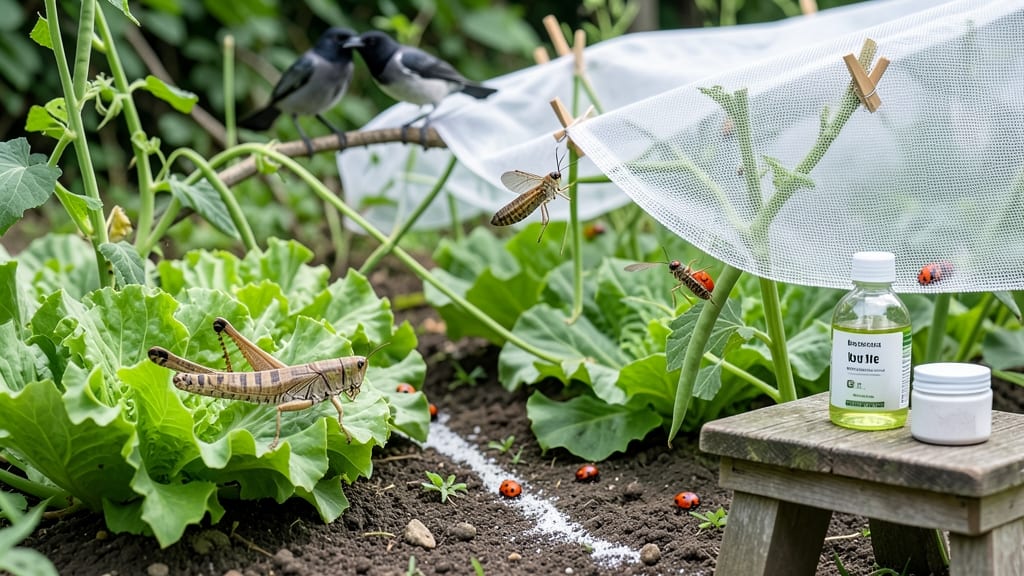
How to control grasshoppers in the garden without chemicals starts with understanding these jumpers—because their destruction of zucchini leaves isn’t inevitable. The good news? These pests aren’t invincible, just misunderstood. I've spent three summers testing natural barriers that actually work, from companion plants to DIY traps that outsmart their jumping reflexes.
The key is disrupting their life cycle before they multiply. Most people reach for sprays first, but the real game-changer is prevention: tall grass borders, strategic planting, and encouraging their natural predators.
My foolproof method combines three simple layers—physical barriers, habitat disruption, and biological control—that keep them off plants without chemicals.
You'll see results within two weeks of implementation: fewer chewed leaves, more pollinators, and plants that actually produce. The best part? These solutions work whether you're growing vegetables, flowers, or herbs—no fancy equipment required, just smart placement and timing.
Confession: I used to think grasshoppers were just a summer annoyance, but learning their habits turned them into an opportunity. Here's how to make your garden their last stop instead of their buffet.
The Hidden Triggers Behind Grasshopper Invasions
Grasshoppers don’t just appear in your garden out of nowhere—they’re drawn by a mix of environmental cues, food availability, and even weather patterns. Understanding these triggers is the first step to outsmarting them. Here’s why your garden becomes their favorite hangout spot.
Grasshoppers are herbivores with a hearty appetite, and dense, leafy vegetation is their all-you-can-eat buffet. Here’s why they flock to it:
- High-protein foliage: Young, tender shoots—especially in legumes, grasses, and broadleaf plants—are packed with nitrogen, a key nutrient for grasshopper growth. Think alfalfa, clover, or even your prized roses.
- Shade and shelter: Tall plants (like sunflowers or corn) provide cover from predators (birds, spiders) and harsh sunlight. A garden with uninterrupted greenery mimics their natural habitat.
- Moisture retention: Grasshoppers thrive in areas where soil stays damp. Overwatered lawns or gardens with poor drainage create the perfect nursery for nymphs (baby grasshoppers).
💡 Pro Tip: Mow high (3–4 inches) to reduce egg-laying sites in grass, but avoid scalping—it stresses plants and attracts more feeders!
Grasshoppers are opportunistic, and their population booms when conditions align. These weather factors turn your garden into a grasshopper hotspot:
| Factor | Why It Matters | Grasshopper Response |
|---|---|---|
| 🌞 Hot, Dry Spells | Drought-stressed plants become softer and more nutritious as they conserve water. | Adults migrate to these areas to feed, and nymphs hatch earlier. |
| 🌧️ Sudden Rainfall | Wet soil triggers egg hatching, releasing thousands of nymphs in 24–48 hours. | Explosive population spikes—your garden becomes a grasshopper kindergarten. |
| 🌬️ Wind Patterns | Grasshoppers use wind to navigate and locate food sources from miles away. | They swarm gardens downwind of fields or meadows with heavy infestations. |
✨ Actionable Insight: Monitor local weather forecasts. If a heatwave follows rain, brace for a nymph surge—this is when prevention (like barriers or traps) is most critical.
Sometimes, we create the perfect grasshopper paradise without realizing it. Here’s how:
- 🚜 Over-fertilized lawns: Excess nitrogen (from synthetic fertilizers) makes grass 30% more attractive to grasshoppers. They’re basically eating a salad bar.
- 🌾 Unharvested crops: Leaving fallen fruits, veggies, or seed heads (like tomato stems) gives them a free snack and a place to lay eggs.
- 🪴 Monoculture gardens: Planting the same species in rows (e.g., all basil or zucchini) makes it easier for grasshoppers to strip entire plants without moving on.
- 🗑️ Compost piles: While composting is great, piles with meaty scraps or pet waste can attract other pests that indirectly benefit grasshoppers (by reducing predator populations like birds).
🎯 Fix It Fast: Rotate crops, mulch strategically (with straw or wood chips to disrupt egg-laying), and avoid fertilizing right before rain—this washes nutrients into the soil, signaling a feast.
Grasshoppers have a natural enemy list, but when their predators vanish, populations skyrocket. Here’s why:
- 🕊️ Bird declines: Habitat loss (fewer trees, shrubs) reduces nesting sites for sparrows, swallows, and starlings—birds that eat 50+ grasshoppers per day.
- 🕷️ Spider and insect drop: Pesticides (even "safe" ones) can kill beneficial predators like wolf spiders or ground beetles, which hunt grasshopper eggs.
- 🐍 Reptile retreat: Frog and lizard populations plummet in urban gardens due to lack of water sources or compacted soil, leaving fewer hunters.
🔥 Boost the Food Chain: Add a small water feature, plant native shrubs (like elderberry), or install a birdhouse to lure predators back into your garden naturally.
Grasshopper Control Tactics That Work
Now that you know why grasshoppers are invading your garden, it’s time to take action! These pests don’t just nibble—they can devastate plants overnight. The good news? You don’t need harsh chemicals to keep them at bay.
Below, we’ve matched common causes to effective fixes, plus prevention tips to stop future invasions. Let’s turn the tide! 🚀🌱
Cause: Your garden is a buffet, and grasshoppers are swarming because of abundant food (weeds, young plants, or overgrown grass). Fix:
- 🔥 Set up beer traps (yes, really!). Bury a shallow container filled with beer—grasshoppers are attracted to the yeast and drown. Replace every 2–3 days.
- 🍳 Use soapy water sprays for direct hits. Mix 1 tbsp dish soap with 1 gallon of water, spray on grasshoppers (avoid beneficial insects like bees!).
- 👨🍳 Handpick during dawn/dusk when they’re slowest. Drop them in soapy water or relocate them far from your garden (at least 50 feet away).
💡 Pro Tip: Focus on weedy areas first—they’re grasshopper magnets. Pull or mulch weeds to remove their favorite snacks.
Cause: Grasshoppers target tender seedlings and new growth, stripping leaves before you can react. Fix:
- 🛡️ Cover seedlings with row covers (lightweight fabric) to block jumpers while allowing sunlight and water.
- 🥘 Create physical barriers with collars (cardboard or plastic) around stems or diatomaceous earth (food-grade) around plant bases—it dehydrates their legs.
- ⏰ Rotate crops to disrupt their feeding patterns. Grasshoppers rely on predictable food sources; mix up plantings to confuse them.
🌡️ Heat Trick: Sprinkle cayenne pepper or red pepper flakes around plants—grasshoppers hate the spiciness and avoid the area.
Cause: Overgrown grass or clover-rich lawns provide perfect hiding spots and food for grasshoppers. Fix:
- 🔪 Mow high (3–4 inches) to discourage grasshopper eggs from hatching in the soil. Taller grass shades the ground, cooling it and making it less hospitable.
- 🌱 Replace clover patches with grasshopper-resistant ground covers like creeping thyme or clover alternatives (e.g., white Dutch clover, which repels pests).
- 🎯 Introduce predator plants like marigolds, basil, or catnip—their strong scents mask your garden’s aroma and deter grasshoppers.
✨ Bonus: Plant neem trees or rosemary near your garden—their scent confuses grasshoppers’ navigation systems.
Cause: Grasshopper eggs overwinter in soil, hatching in spring to wreak havoc. Fix:
- 🔍 Rake soil in late summer/fall to expose and destroy eggs (they’re tiny, white, and pea-sized).
- 💧 Water deeply in winter—grasshopper eggs need dry soil to survive. Keep lawns moist to deter hatching.
- 🛠️ Use beneficial nematodes (Heterorhabditis bacteriophora)—microscopic worms that target grasshopper eggs without harming plants.
💡 Pro Tip: Chickens or ducks love munching on grasshopper eggs! If you have poultry, let them forage in your garden beds.
Grasshoppers are drawn to monocultures, drought, and lack of diversity.
To keep them away for good: - 🌿 Plant native, pest-resistant varieties like Russian sage, lavender, or milkweed—they’re unappetizing to grasshoppers. - 💦 Install a drip irrigation system—consistent moisture deters grasshoppers, who prefer dry, patchy conditions. - 🌍 Create a "grasshopper buffer" with wildflower strips or native grasses at your garden’s edge to lure them away from prized plants. - 🕵️ Monitor with yellow sticky traps—place them near problem areas to track activity and act early.
Remember: The key is combination tactics. Use traps + barriers + predator plants for the best results. With these methods, your garden will stay lush—and the grasshoppers will jump right out of it! 🚫🦗🌿
Frequently asked questions
What's the best time of day to handpick grasshoppers?
Early morning or late afternoon when temperatures are below 80°F is ideal. Grasshoppers move slower during these cooler hours, making them easier to catch. Use a damp towel or soapy water to prevent them from jumping away.
Can I use coffee grounds to repel grasshoppers?
Yes! Sprinkle used coffee grounds around plant bases—the strong scent repels grasshoppers while adding nutrients to your soil. Refresh every 2-3 weeks for best results. This works especially well for herb gardens like basil or mint.
How long does it take for diatomaceous earth to work?
Food-grade diatomaceous earth starts working immediately but may take 24-48 hours to fully dehydrate grasshoppers. Reapply after rain or watering, as moisture reduces its effectiveness. Lightly dust around plants (avoid direct contact with beneficial insects).
Are beer traps effective for grasshopper control?
Beer traps work best for adult grasshoppers—they're attracted to the yeast and drown. Bury a shallow container filled with beer at soil level. Replace every 2-3 days and place traps near problem areas. For maximum effect, combine with other methods like row covers.
What plants should I avoid if grasshoppers are a problem?
Grasshoppers love alfalfa, clover, corn, and sunflowers—these are their favorite snacks. Instead, plant lavender, rosemary, or catnip which naturally repel them. Even marigolds help by confusing their navigation system with strong scents.