
Vegetables
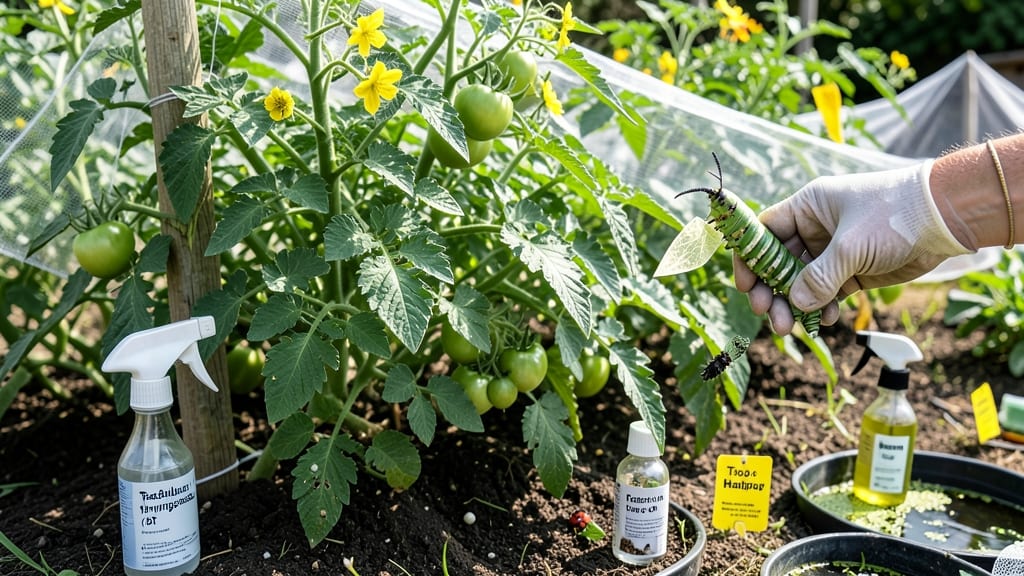
How to deter tomato hornworms—those green monsters can strip a tomato plant bare in days. 🌱 I’ve lost entire vines to hornworms—until I learned the three-step defense that actually works: hand-picking, smart companion planting, and a few natural sprays that don’t harm your plants (or you). The key is acting fast. These caterpillars hide in plain sight, blending into foliage until they’ve devoured half your leaves. I now check my plants twice a week and remove eggs or larvae before they become unstoppable. The right plant neighbors—like basil, marigolds, or dill—send pests running, while a neem oil spray disrupts their life cycle without chemicals. By combining these methods, you’ll protect your harvest without resorting to harsh pesticides. Your tomatoes will stay lush, your plants will thrive, and you’ll never again watch helplessly as a single worm turns your garden into a skeleton. This works for both backyard gardens and containers. Let’s get those hornworms under control—before they ruin your season.
The Real Culprits Behind Hornworms
Tomato hornworms—those striped, voracious caterpillars—don’t just appear out of nowhere. Their presence is the result of a mix of natural behaviors, environmental factors, and even your garden’s appeal. Understanding why they target your tomatoes is the first step to outsmarting them.
Let’s break down the key reasons these pests show up in your garden and why they’re so effective at devouring your plants.
Tomato plants produce volatile organic compounds (VOCs) that act like a dinner bell for hornworms. These chemicals, released when the plant is damaged or stressed, signal to nearby pests—including hornworms—that a feast is available. Healthy, thriving tomato plants emit even stronger scents, making them prime targets.
Additionally, the plant’s fuzzy leaves and stems provide perfect camouflage for hornworm eggs and caterpillars, allowing them to go undetected until it’s too late.
🔍 Why it matters: If your tomatoes are lush and vigorous, they’re essentially broadcasting, “Eat me!” to hornworms. The more you prune or stress the plant (even unintentionally), the more it releases these attractant chemicals.
Hornworms are the larvae of the Manduca sexta moth, and their life cycle is finely tuned to tomato plants. Adult moths lay their eggs directly on tomato foliage—often on the undersides of leaves—where the emerging caterpillars have instant access to food.
A single female can lay up to 2,000 eggs in her lifetime, and these hatch in just 3–5 days under warm conditions.
🌡️ Temperature matters: Hornworms thrive in warm climates (ideal between 70–85°F) and can complete multiple generations in a single growing season. If your garden stays consistently warm, you’re likely to see waves of hornworms throughout the summer.
While hornworms have many natural enemies—parasitic wasps, birds, and lacewings—these predators don’t always arrive in time to save your plants. Young hornworms are particularly vulnerable to wasps like Cotesia congregata, which lay eggs inside them.
However, if the wasps haven’t had a chance to establish a population in your garden, the hornworms can grow unchecked.
🐝 Why it’s a problem: If your garden lacks biodiversity (e.g., no nearby wildflowers for pollinators or perches for birds), hornworm populations can explode before their predators catch up.
Hornworms are more common in warm, humid regions like the Southeast and Southwest U.S., but they can appear anywhere tomatoes grow. Greenhouse-grown tomatoes are especially at risk because the controlled environment provides consistent warmth and moisture—perfect for hornworm development.
Even in cooler climates, a sudden heatwave can trigger a hornworm outbreak.
📊 Regional hotspots: Areas with long growing seasons (e.g., Florida, California, and the Midwest) often see hornworms year-round, while northern gardens may only face them in late summer.
Ironically, broad-spectrum pesticides (like synthetic pyrethroids) can make hornworm problems worse. These chemicals kill beneficial insects—like ladybugs, lacewings, and parasitic wasps—that would otherwise keep hornworm populations in check. Without these natural controls, hornworms reproduce unchecked, leading to larger infestations.
⚠️ The catch-22: While pesticides might kill hornworms, they also eliminate the predators that could’ve handled the problem long-term. This creates a cycle of more pests = more chemicals = fewer predators.
Tomato plants that are overcrowded or neglected create the perfect hornworm haven. Dense foliage provides:
- ✅ Hiding spots for eggs and caterpillars
- ✅ Moisture retention (hornworms love humidity)
- ✅ Less airflow, making it harder to spot pests early
🌿 Actionable fix: Prune regularly, space plants properly (18–24 inches apart), and remove any diseased or dying tomato plants immediately to break the hornworm life cycle.
Proven Ways to Stop Hornworms
Now that you understand why tomato hornworms invade your garden, it’s time to take action! These hungry caterpillars can strip your plants bare in days, but with the right strategies, you can keep them at bay—without resorting to harsh chemicals.
Below are practical, effective solutions tailored to common causes, from prevention to hands-on defense.
If you’ve spotted hornworms already, manual removal is the most immediate solution. These caterpillars are slow-moving and easy to spot—often hiding under leaves or munching boldly in plain sight.
How to do it: 👨🍳 Grab gloves and a bucket of soapy water (1 tbsp dish soap per gallon). 🔪 Pick them off by hand—gently grasp the thickest part of the body (near the head) to avoid squishing their toxic blood (which can irritate skin). ⏰ Drop them into soapy water to dissolve their bodies instantly (or crush them if you’re outside). 🌡️ Check plants daily, especially in the morning or evening when they’re most active.
Pro Tip: 💡 Train your kids or pets to help—it’s a great way to make garden care a family activity!
Instead of fighting hornworms alone, enlist the help of plants that repel them or attract their natural predators. This is a low-effort, long-term strategy that keeps your garden thriving.
Best companion plants to deter hornworms:
| Plant | Why It Works |
|---|---|
| Basil | Masks tomato scent and may deter hornworms with its strong aroma. |
| Marigolds | Confuse pests with their scent and attract beneficial insects like ladybugs. |
| Nasturtiums | Trap hornworms away from tomatoes (they prefer nasturtiums over tomato leaves). |
| Dill & Fennel | Attract parasitic wasps, which lay eggs inside hornworm larvae (killing them). |
| Garlic & Onions | Their pungent smell repels many garden pests, including hornworms. |
How to use them: 🌿 Interplant these around your tomato patch for maximum protection. ✨ Let some flowers go to seed—this creates habitat for predator insects like lacewings and hoverflies.
Hornworms have natural enemies that can keep their populations in check. By creating a garden ecosystem, you reduce the need for manual intervention.
Key predators to attract:
- Parasitic Wasps (lay eggs inside hornworm larvae—look for white cocoons on caterpillars!).
- Ladybugs & Lacewings (devour hornworm eggs and young larvae).
- Praying Mantises (hunt hornworms on sight—though they’ll eat everything, so balance is key).
How to support them: 🏡 Install a small insect hotel (a simple PVC pipe or wooden box with holes). 💧 Avoid pesticides—even "safe" ones can harm beneficial bugs. 🌿 Plant nectar-rich flowers like alyssum, dill, and cosmos to feed adult predators.
If prevention isn’t enough, physical deterrents can buy you time until nature takes over.
Options to try:
- Row Covers (lightweight fabric over young plants—remove when flowers appear to allow pollination).
- Collars (plastic or cardboard wrapped around stems to block egg-laying moths).
- Sticky Traps (yellow or blue traps near plants to catch adult moths before they lay eggs).
DIY Trap Idea: 🎯 Fill a jar with soapy water and a drop of vanilla extract—hornworm moths are drawn to the scent and drown.
If your garden is overrun, a targeted organic spray can help without harming pollinators. Use these sparingly and only when necessary.
Best options:
- Neem Oil (disrupts hornworm feeding and growth—spray in the evening to avoid harming bees).
- Bacillus thuringiensis (Bt) (a natural bacteria that kills hornworms when ingested—safe for humans and pets).
- Spinosad (derived from soil bacteria, effective but use at dusk to protect bees).
How to apply: 💦 Spray undersides of leaves where eggs and larvae hide. 🌡️ Reapply after rain or every 5–7 days for best results.
Warning: 🚨 Avoid broad-spectrum sprays like pyrethrin—they kill both pests and beneficial insects.
The best defense? Prevent hornworms from arriving in the first place.
Key prevention tips:
- Rotate crops—don’t plant tomatoes in the same spot yearly (moths remember locations!).
- Remove garden debris (old plant matter hides overwintering pupae).
- Plant early in the season—hornworms peak in July/August, so early harvests avoid the worst.
- Monitor egg masses (tiny white ovals on undersides of leaves—scrub them off daily).
Final Thought: 🌱 Combining hand-picking, companion planting, and predator support gives you the strongest defense. Most gardeners find that a little daily effort (like checking plants for 5 minutes a day) keeps hornworms in check—without chemicals.
Which method will you try first? 😉
Frequently asked questions
How do I know if I have tomato hornworms before they cause major damage?
Check the undersides of leaves and stems daily for green, striped caterpillars (3–4 inches long) or tiny white egg masses. Look for chewed leaves with ragged edges—a sure sign they’re already feeding. Early detection is key: remove eggs immediately, as they hatch in just 3–5 days.
Is it safe to handle tomato hornworms with my bare hands?
No, their blood contains toxic chemicals that can irritate skin or even cause mild allergic reactions. Always wear gloves when picking them off. Drop them into soapy water or crush them outside—never touch their bodies directly.
Can I use coffee grounds to deter tomato hornworms?
While coffee grounds may repel some pests, they’re not effective against hornworms. Instead, sprinkle them around plants to attract earthworms (which improve soil) and deter slugs—but focus on basil or marigolds for hornworm protection.
What’s the best time of day to check for hornworms?
Morning or evening works best. Hornworms are most active during cool hours (before 9 AM or after 5 PM) when they’re less likely to hide. Avoid midday heat—they’ll retreat to shaded areas, making them harder to spot.
Will parasitic wasps actually solve my hornworm problem?
Yes! These tiny wasps lay eggs inside hornworm larvae, killing them within days. Look for white cocoons on caterpillars—this means the wasps are already working. To attract them, plant dill, fennel, or alyssum nearby and avoid pesticides.