
Blooming
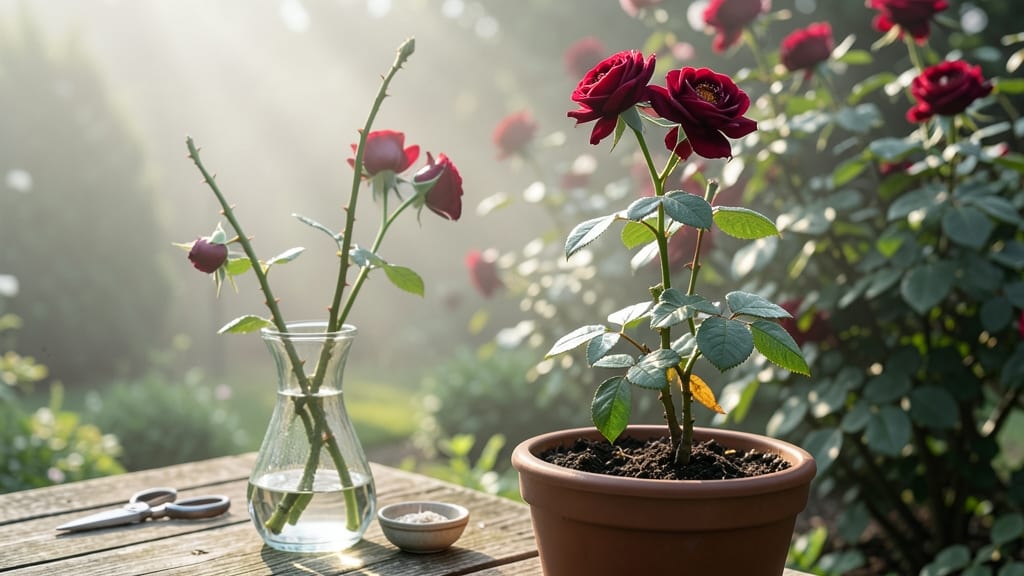
Long-stem roses transform any room into a romantic escape. ✨ I’ve turned my living room into a floral gallery by mastering simple yet striking display techniques that keep roses fresh for 10+ days—not just a weekend.
The secret lies in the right vase and a few clever tricks: wider mouths for more stems, clear glass to monitor water levels, and strategic pruning to maximize vase life. You don’t need a green thumb—just a few key supplies and a little creativity.
Imagine a single deep-red rose in a vintage milk glass vase on your dining table, or a cascading bouquet spilling over a rustic wooden tray. The possibilities are endless, whether you’re dressing up a guest room or adding elegance to your kitchen nook.
Seasonal swaps make it easy: swap heavy crystal for lightweight ceramic in summer, or layer dried elements with fresh blooms in winter. Let’s make your roses the star of the show!
📚 In This Guide
- What you need
- Instructions
- Tips and common mistakes
- Wrapping up and next steps
What you need
- ● Long-stem roses: 3–12 stems (depending on vase size and desired fullness). Choose fresh, unopened buds for longer vase life.
- ● Vase: Glass or ceramic vase with a narrow neck (to minimize water exposure to stems).
- ● Size: At least 1.5–2 inches wider than the diameter of your rose stems for proper water capacity.
- ● Height: Tall enough to accommodate stems without bending (e.g., 8–12 inches for 18–24" stems).
- ● Fresh, clean water: Room-temperature, chlorine-free (let tap water sit for 24 hours or use filtered water).
- ● Floral preservative: 1 packet (e.g., Floralife or Chrysal Clear) to extend vase life by 3–5 days.
- ● Sharp floral shears or scissors: Clean, sterilized (rub with rubbing alcohol) to prevent crushing stems.
- ● Newspaper or paper towels: For trimming and cleaning stems.
- ● Decorative elements: Gravel, pebbles, or floral foam (for bouquet arrangements) to weigh down stems.
- ● Hydrogen peroxide (3%) or bleach: 1–2 drops per quart of water to prevent bacterial growth.
- ● Ribbon or twine: For wrapping stems or securing bouquets.
- ○ Pruning sealer (optional): Like Floral Seal to coat cut stems for extra hydration.
- ● Vase liner or sleeve: To protect surfaces from water stains.
Step-by-Step instructions for displaying long stem roses
Here's how to make your roses last longer and look their absolute best.
🪴 Step 1: Prepare the Vase and Water
Choose a clean vase with a narrow neck to support the stems. Fill it with lukewarm water (cold water can shock the stems, while warm water opens the vessels for better hydration). I like to add 1 teaspoon of bleach to the water to kill bacteria that shorten vase life. Swirl it around to coat the inside completely—this prevents mold and cloudy water.
For extra longevity, add ½ teaspoon of white vinegar or a commercial flower food packet to the water. These help reduce bacteria and provide nutrients. The water should cover at least 3-4 inches of the stem once cut—this ensures the roses drink deeply and stay hydrated overnight.
✂️ Step 2: Trim the Stems at an Angle
Hold each rose stem at a 45-degree angle and cut 1-2 inches off the bottom with sharp, clean scissors or pruners. This angled cut increases the surface area for water absorption, which is critical for long vase life. I always make the cut under water—this prevents air bubbles from blocking the stem's ability to drink.
Remove any leaves or thorns that will sit below the waterline. Submerged foliage rots quickly and turns the water murky. Strip off any tight buds or small leaves near the base of the stem—this reduces stress on the flower and keeps the arrangement looking clean. Work quickly so the stems aren't exposed to air for too long.
🌿 Step 3: Arrange the Stems Properly
Place the roses in the vase immediately after trimming. Start by positioning the tallest stems first, then fill in with shorter ones to create a balanced look. Space them evenly so they don't overcrowd—this allows air to circulate and prevents stems from competing for water. You'll want 3-5 stems per vase for a full, lush arrangement without looking cluttered.
Gently fan out the stems at the base to create a natural, full look. Avoid bending the stems too much—this can crush the delicate xylem vessels that carry water. If you notice any stems leaning too heavily to one side, tuck them behind others to distribute the weight evenly. This ensures all flowers get equal support and water access.
☀️ Step 4: Provide Ideal Conditions for Longevity
Keep your arrangement in a spot with indirect light—direct sunlight can cause the petals to wilt faster. A kitchen counter or dining table near a window (but not in the hot sun) is perfect. Avoid placing them near heat sources like radiators, ovens, or vents, as dry air accelerates wilting. You'll notice the petals stay crisp and vibrant longer when humidity is moderate.
Change the water every 2-3 days, even if it doesn't look dirty. Over time, bacteria build up and block the stems from absorbing water. Re-cut the stems at a fresh angle each time you refresh the water—this keeps the cuts open and ready to drink. Add a new flower food packet or vinegar each water change to keep the water clean and the stems healthy.
💧 Step 5: Maintain and Refresh as Needed
Watch for signs of dehydration—drooping petals or stems that feel limp when touched. If you see this, trim the stems again at an angle and place them in fresh water immediately. I also like to give the arrangement a quick "shower" by misting the petals lightly with water in the morning. This mimics natural dew and keeps the blooms hydrated from the outside too.
Remove any wilted petals or leaves as they appear to keep the arrangement looking fresh. A few stray petals on the water's surface are normal, but too many can attract bacteria. If the water develops a cloudy or slimy appearance, it's time for a full refresh—don't wait until the roses show signs of distress. With these steps, your long stem roses will stay stunning for at least 7-10 days!
Tips & tricks for perfect long-stem rose arrangements
These simple secrets will help you keep your roses looking fresh and stunning for the full two weeks.
Cutting Precision Matters: When you trim those 1-2 inches from each stem at a 45-degree angle in Step 1, make sure your scissors or pruners are sharp. Dull blades crush stems instead of cleanly cutting them, which blocks water uptake. I keep a pair of floral shears just for this purpose—it makes all the difference in how quickly the roses perk up and stay hydrated.
Bleach is Your Secret Weapon: That 1 teaspoon of bleach per quart of water in Step 2 isn't just about cleanliness—it's a bacterial blocker. The bleach creates a thin protective layer that prevents stems from sealing off, which is what makes roses wilt so quickly. I also add a splash of white vinegar (about 1 tablespoon per quart) to the water alongside the bleach for extra protection against bacteria.
Timing is Everything: The instructions mention refreshing stems every 2-3 days, but here's what nobody tells you—morning is the absolute best time to do this. Flowers absorb water most efficiently in the cooler morning hours, and you'll see the petals perk up noticeably within hours. If you must refresh at night, do it at least 4 hours before bedtime to give the flowers time to recover before morning.
Environmental Control: That 12 hours in a cooler room suggestion in Step 4 works wonders, but here's the pro move: place your arrangement in the coolest room in your home, like a basement or laundry room, for those 12 hours. The temperature drop slows down respiration dramatically—this is especially helpful in summer when rooms can get quite warm. Just bring them back to room temperature before displaying again.
Pro Tips for Display Long Stem Roses
- These simple secrets will help you keep your roses looking fresh and stunning for the full two weeks.
- Cutting Precision Matters: When you trim those 1-2 inches from each stem at a 45-degree angle in Step 1, make sure your scissors or pruners are sharp.
- Bleach is Your Secret Weapon: That 1 teaspoon of bleach per quart of water in Step 2 isn't just about cleanliness—it's a bacterial blocker.
Frequently asked questions
Got questions about keeping your long-stem roses looking fresh and fabulous?
You’re not alone! Here are answers to the most common queries about displaying these romantic blooms—from vase prep to troubleshooting wilting.
How do I know if my long-stem roses are still fresh enough to display?
Check for crisp, vibrant petals and firm stems (not mushy or droopy). Place a stem in warm water—if bubbles form, the stem is still healthy. Avoid roses with brown edges or wilted buds, as they won’t revive well. Pro tip: Buy early in the morning when stems are hydrated!
Can I cut the stems at an angle, or does it matter?
Yes! Cutting stems at a 45-degree angle (about 1–2 inches from the base) maximizes water absorption. Use sharp, clean scissors or pruners to avoid crushing the stem. Re-cut stems every 2–3 days to keep water flowing. Skip the angle? You’ll risk air pockets blocking hydration!
What’s the best way to remove leaves submerged in water?
Submerged leaves rot and cloud the water, shortening vase life. Strip off all leaves below the waterline with your fingers or scissors. Leave a few leaves near the top for aesthetics—but never let them touch the water. Bonus: Wipe stems with a damp cloth to remove debris before arranging!
How often should I change the vase water for long-stem roses?
Replace water every 2–3 days to prevent bacterial growth (which causes cloudy water and wilting). Add a flower food packet or DIY mix (1 tsp sugar + 2 drops bleach per quart) to extend freshness. Warning: Stagnant water = faster decay!
What can I do if my long-stem roses are already wilting?
Don’t panic! Trim stems under water, then place them in cool (not cold) water with flower food. Avoid direct sunlight or heat sources. If petals are crispy, they’re past saving—but try the "revival trick": Recut stems, soak in lukewarm water for 1 hour, then re-arrange. Prevention is key: Display in indirect light!
Are there alternatives to traditional vases for long-stem roses?
Try:
- Mason jars or bottles (add pebbles for stability)
- Teapots or copper pitchers (rustic charm!)
- Hollowed-out fruits/veggies (like pineapples or coconuts)
- Books or vintage suitcases (for boho vibes)
Wrapping up and next steps
Displaying long-stem roses beautifully is all about preparation, creativity, and care—and now you’ve got the expert tips to make it effortless!
Whether you’re arranging them in a classic vase, a rustic bucket, or even a DIY centerpiece, the key is keeping stems hydrated, angles fresh, and your space inspired. 🌹✨
Ready to level up your floral game? Grab those roses and start experimenting—your next arrangement could be the talk of the room! For even more blooming brilliance, explore seasonal flower care guides or try your hand at advanced floral design techniques.