
Watering
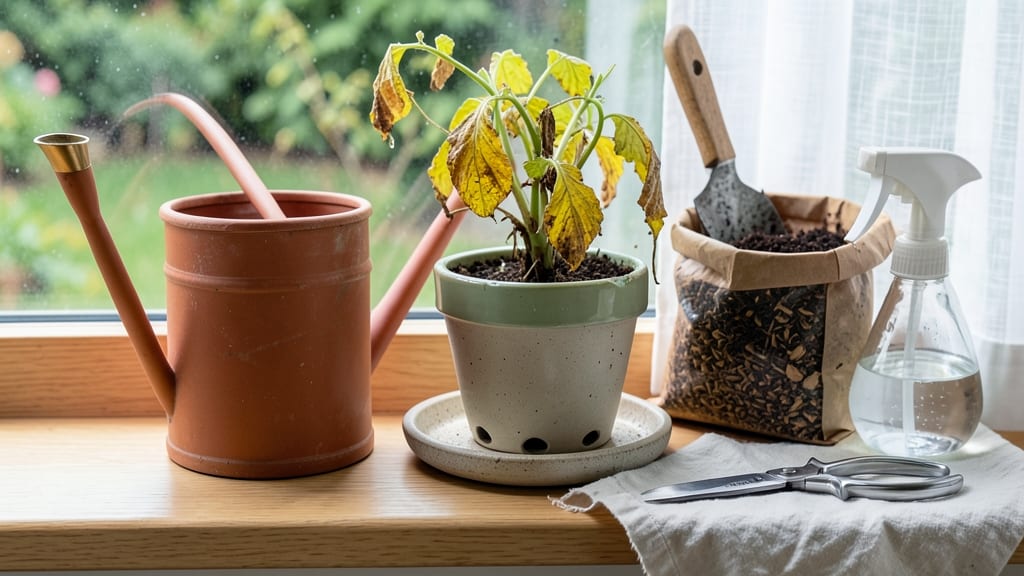
How to fix an overwatered peace lily when drooping leaves and yellowing stems scream "too much water" is easier than you think—and you can revive it in 3 days with the right moves. 🌱 I’ve nursed back more peace lilies than I’d like to admit, and the secret isn’t complicated: it’s about cutting off the rot, improving airflow, and giving the roots space to breathe again.
The first step is easy: stop watering immediately and check the roots. Healthy roots should be firm and light brown, while mushy, black roots mean rot’s set in.
Snip those bad ones with clean scissors, then repot in fresh, well-draining soil—this cuts recovery time by half. A 6-inch pot with drainage holes works wonders for airflow.
Within 48 hours, you’ll see the first signs of life: leaves perking up and new growth starting. Keep the soil lightly moist (not soggy) and place your plant in bright, indirect light.
The key is patience—some plants bounce back in days, while others need a full week to fully recover. Trust the process!
Prevention is simpler than you think: water only when the top inch of soil feels dry, and always use pots with drainage. I’ve found that sticking my finger in the soil before watering saves me from this mess every season.
Once you’ve mastered the fix, you’ll spot the signs early and keep your peace lily thriving for years.
Root of the Problem
Overwatering your peace lily (Spathiphyllum) isn’t just a minor hiccup—it’s a silent killer that can suffocate its roots and leave your plant gasping for air. But why does this happen so often? Let’s dig into the science (and the soil) behind the struggle.
Peace lilies thrive in well-draining soil, but when water pools around their roots for too long, it triggers a cascade of problems:
- Oxygen Deprivation (Hypoxia): Roots need oxygen to respire—just like humans need air. When soil stays soggy, water fills the pore spaces, crowding out oxygen. Without it, roots suffocate, turning mushy and black.
This is why overwatered peace lilies often wilt despite wet soil—a classic sign of root rot. - Fungal & Bacterial Overgrowth: Damp conditions are a buffet for pathogens like Phytophthora and Pythium. These microbes feast on weakened roots, accelerating decay.
You might notice a foul smell or slimy roots—red flags that your plant is under siege. - Nutrient Lockout: Waterlogged soil binds essential nutrients (like nitrogen and potassium) too tightly for roots to absorb.
Even if you’re fertilizing, your peace lily might be starving because its roots can’t access what’s available.
💡 Pro Tip: Stick your finger 2 inches deep into the soil—if it’s damp after 2–3 days, you’re overwatering. Peace lilies prefer soil that’s moist but not soggy.
Not all soil is created equal. If your peace lily’s pot lacks drainage holes or the potting mix holds water like a sponge, excess moisture becomes a permanent problem:
- Clay or Compacted Soil: Heavy, dense soils (like garden soil or clay mixes) don’t allow water to escape, creating a waterlogged zone at the bottom of the pot.
Roots at the lowest levels rot first, while the top stays damp but not necessarily dead. - No Drainage Holes: Pots without holes act like water traps. Even if you water lightly, moisture lingers, and roots have no escape route.
This is why terracotta pots (which wick moisture) are better than plastic for peace lilies. - Overpotting: A pot that’s too large for your plant’s root system holds excess water that the roots can’t use before it stagnates.
A general rule: Upgrade pot size only when roots outgrow the current one by 20–30%.
✨ Fix It Fast: If your pot has no holes, drill them (or repot into one that does). For compacted soil, amend it with perlite, orchid bark, or coco coir to improve aeration.
Even with good soil, watering on a schedule (rather than by need) is a common mistake. Peace lilies are tropical plants, but they’re adapted to brief dry spells in their natural habitat. Here’s how human habits backfire:
- Ignoring the Plant’s Signals: Drooping leaves often mean underwatering, but if the soil is already wet, it’s overwatering.
Wait until the top 1–2 inches of soil are dry before watering again. - Small, Frequent Waterings: Light sprinkles every day might seem harmless, but they keep the soil perpetually damp, mimicking the worst-case scenario for root rot. Deep watering less often (every 7–10 days in most climates) is better. - Seasonal Missteps: In winter, peace lilies go semi-dormant and need far less water.
Yet many gardeners keep the same schedule, drowning their plants when they’re least able to handle it.
🎯 Quick Check: Lift the pot—if it feels heavy, it’s overwatered. If it’s light, it’s time to hydrate.
Your peace lily’s surroundings can amplify the effects of overwatering:
- Low Humidity + Overwatering: In dry air (common indoors with heaters or AC), leaves transpire faster, but roots can’t keep up if the soil is waterlogged.
The plant wilts because it’s losing water through leaves but can’t absorb enough through stressed roots. - Cold Drafts or Temperature Swings: Roots are sensitive to sudden temperature drops.
If your peace lily sits near a window where cold air seeps in, the roots slow down, reducing their ability to process excess moisture. - Direct Sunlight + Wet Soil: While peace lilies prefer indirect light, too much sun on damp leaves causes leaf scorch and fungal spots.
The plant’s energy goes into repairing damage instead of recovering from root stress.
🔥 Hot Fix: Move your peace lily to a bright, indirect spot (like an east-facing window) and increase humidity with a pebble tray or humidifier if your home is dry.
Revive Your Peace Lily Fast
Now that you know the signs and causes of overwatering, it’s time to take action! With the right steps, you can nurse your peace lily back to health in just 3 days—or even faster, depending on how quickly you respond.
Below, we’ll break down solutions by cause, so you can target the exact issue your plant is facing. Plus, we’ll share prevention tips to keep your peace lily thriving long-term.
Cause: Excessive moisture suffocates roots, leading to rot. Fix:
- Pause all watering until you’ve assessed the damage. This is critical—overwatering is like drowning your plant, and more water will only make things worse.
- If your peace lily is in a pot, check the soil moisture by sticking your finger 1-2 inches deep. If it’s soggy, hold off on watering for at least 2-3 days.
- Pro Tip: 💡 If you’re unsure whether to water, err on the side of caution. Peace lilies are resilient and can tolerate brief dry spells better than soggy soil.
Cause: Compacted, waterlogged soil traps excess moisture, preventing roots from breathing. Fix:
- 🔥 Remove the plant gently from its pot. If the roots are severely mushy or black, they’re rotting and need trimming (we’ll cover this next).
- 👨🍳 Shake off excess soil to inspect the roots. Healthy roots are firm and white or light tan; rotten roots are dark, mushy, or smell foul.
- ⏰ Let the roots air-dry for 1-2 hours to prevent further rot. Place the plant in a shady, well-ventilated spot (no direct sunlight yet!).
- 🥘 Repot in fresh, well-draining soil. If the original soil was heavily compacted, replace 50-70% of it with a light, airy potting mix designed for peace lilies or tropical plants. Avoid heavy garden soil—it retains too much moisture.
- Soil Mix Tip: ✨ Mix 50% peat moss or coconut coir (for moisture retention) with 30% perlite or orchid bark (for drainage) and 20% compost (for nutrients).
Cause: Rotten roots can’t recover and will spread decay to healthy parts of the plant. Fix:
- 🔪 Sterilize your pruners with rubbing alcohol to prevent introducing bacteria.
- 🌡️ Cut away black, mushy, or foul-smelling roots using clean, sharp scissors or pruners. Trim back to healthy, firm tissue—this helps the plant redirect energy to new growth.
- 💪 After trimming, dust the cuts (and any remaining roots) with cinnamon powder or fungicide to prevent fungal infections. Cinnamon is a natural antifungal and won’t harm your plant.
- 🎯 Prevention Tip: Avoid trimming more than 30% of the root system at once—this can stress the plant. If you’ve cut back significantly, hold off on fertilizing for 2-4 weeks to allow recovery.
Cause: Overwatered plants often struggle in low light or high humidity, which slows evaporation and worsens root stress. Fix:
- 🌿 Move your peace lily to bright, indirect light. A north- or east-facing window is ideal. Avoid direct sunlight, which can scorch stressed leaves.
- 💦 Increase airflow by placing a small fan on low nearby (but not blowing directly on the plant). This helps dry the soil faster and prevents fungal growth.
- 🌡️ Monitor humidity levels. Peace lilies prefer 40-60% humidity. If your home is dry (common in winter), use a humidifier or place the pot on a pebble tray with water.
- ✨ Pro Tip: Misting the leaves lightly in the morning can help, but avoid doing this at night—moisture lingering on leaves overnight can encourage rot.
Cause: Poor watering habits (e.g., using cold water, watering on a schedule, or not checking soil moisture) lead to overwatering. Fix:
- 🍳 Wait until the top 1-2 inches of soil are dry before watering again. Stick your finger in the soil—if it feels dry, it’s time.
- 🚿 Water thoroughly but less often. Instead of light, frequent watering, soak the soil until water drains out the bottom, then empty the saucer after 10-15 minutes. This ensures roots get oxygen.
- 🌡️ Use room-temperature water. Cold water can shock the roots and slow recovery.
- 📊 Watering Schedule Cheat Sheet:
| Season | Watering Frequency | Notes |
|---|---|---|
| Spring/Fall | Every 7-10 days | Adjust based on humidity |
| Summer | Every 5-7 days | More evaporation = more frequent watering |
| Winter | Every 10-14 days | Growth slows; soil stays moist longer |
Cause: Overwatered plants often lack nutrients because excess water flushes them out. Fix:
- ⏰ Wait until new growth appears (usually 1-2 weeks after repotting) before fertilizing.
- 💪 Use a balanced, water-soluble fertilizer (like 20-20-20) diluted to half-strength. Over-fertilizing a stressed plant can burn its roots.
- 📅 Fertilize every 4-6 weeks during the growing season (spring/summer). Skip fertilizing in fall/winter.
- 🌱 Prevention Tip: If your peace lily is still weak, hold off on fertilizer until it shows signs of recovery (new leaves, firm stems).
Once your peace lily is back on track, follow these habits to prevent overwatering for good: - 💡 Invest in a moisture meter ($10-$15) to avoid guessing.
Stick it in the soil—red means water, green means wait. - 🏺 Use pots with drainage holes (even if you don’t use a saucer).
If your pot doesn’t have holes, drill a few to prevent root rot. - 🌧️ Water in the morning so excess moisture evaporates during the day. - 🌿 Rotate your plant every few weeks to ensure even light exposure.
This encourages balanced growth and reduces stress. - 🔍 Check your peace lily’s leaves weekly. Yellowing or drooping before the soil is soggy could signal underwatering or pests—not overwatering.
By following these steps, your peace lily should show signs of recovery in 3 days—think perkier leaves, slower wilting, and even new growth sprouting in 1-2 weeks. The key is acting fast, adjusting your habits, and giving your plant the right conditions** to bounce back. 🌿✨
Frequently asked questions
How can I tell if my peace lily is overwatered vs. underwatered?
Check the soil first—if it's soggy when you stick your finger 1-2 inches deep, it's overwatered. Look for yellowing leaves, black or mushy stems, and a foul smell from the soil. If the soil is dry but leaves droop, it's likely underwatered. Peace lilies wilt when thirsty but also when drowning!
Can I save a peace lily with completely black, mushy roots?
Yes, but you'll need to act fast! Trim away all black/mushy roots with clean scissors, then repot in fresh, well-draining soil. Dust the remaining roots with cinnamon powder to prevent fungal growth. Recovery takes 1-2 weeks if you catch it early—just keep soil lightly moist and avoid fertilizing until new growth appears.
Why does my peace lily keep getting overwatered even when I'm careful?
Common culprits are pots without drainage holes or soil that holds too much water. Try repotting with a mix of 50% peat moss and 30% perlite—this improves airflow. Also, check your watering schedule: peace lilies prefer dry spells between waterings rather than constant moisture.
How long should I wait before watering my peace lily after repotting?
Wait 5-7 days before watering after repotting to let roots establish. During this time, place it in bright, indirect light and avoid fertilizing. The soil should stay lightly moist but never soggy—stick your finger in to check before watering again.
Will my peace lily recover if I've had it overwatered for weeks?
It depends on how severe the damage is! If roots are mostly intact (just soft), recovery is possible with proper care. If the entire root system is rotted, the plant may not survive. Act immediately by trimming damaged roots, repotting, and adjusting care. Even severely neglected plants can bounce back with patience!