
How To
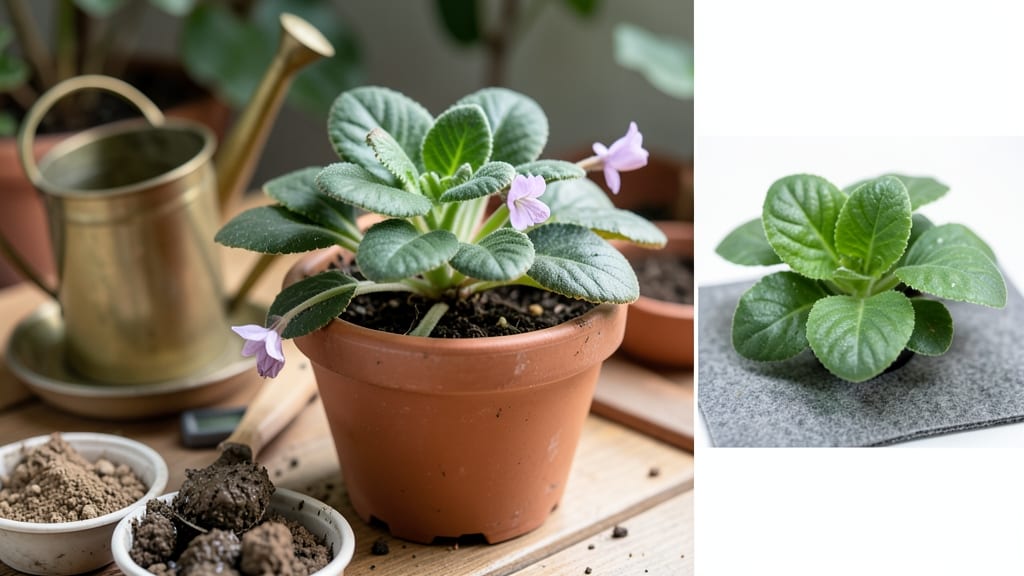
How to fix an overwatered African violet before it’s too late—those squishy stems and yellowing leaves are a cry for help, but with quick action, you can save your plant. I’ve nursed dozens back from the brink, and here’s exactly how to do it. The first sign? Yellowing leaves and stems that feel mushy when you gently squeeze them—that’s root rot setting in, but with the right moves, you can stop it dead.
Start by removing the plant from its pot and inspecting the roots—healthy ones are firm and white, while rotten roots are brown and mushy. Trim off the bad ones with clean scissors, then repot in fresh, well-draining soil mix (like a cactus blend) and a pot with drainage holes.
Water lightly only when the top inch of soil feels dry to the touch.
Within 24 hours, you’ll see the leaves perk up as the roots recover. Keep it in bright, indirect light and avoid watering from above—bottom-watering prevents future soggy soil. After a week, your violet should bounce back, proving that even the most neglected plants can make a comeback.
Now, here’s the secret to keeping it thriving: check soil moisture daily during hot weather and weekly in cooler months. A finger test beats guessing—stick your finger in the soil before watering. This simple habit saves more African violets than any other trick.
Root Causes Of Overwatered Violets
African violets are delicate beauties that thrive on balance—but when water becomes their enemy, their leaves wilt, stems soften, and roots suffocate. Understanding why this happens is the first step to saving your plant. Let’s break down the science behind the soggy soil.
African violets (Saintpaulia spp.) are epiphytes by nature, meaning they evolved to absorb moisture from humid air and soil—but they hate sitting in wet conditions. Overwatering stems from: - Ignoring the soil’s moisture level: Sticking your finger 1 inch deep into the soil is the gold standard.
If it’s damp, wait. If it’s bone-dry, water lightly. Most growers err on the side of too much because they assume these plants need constant moisture (they don’t). - Watering on a schedule: Even daily checks can backfire if you’re not accounting for humidity, pot size, or drainage.
African violets in terracotta pots dry out faster than plastic ones because the material wicks moisture away. - Using the "top-down" method incorrectly: Pouring water until it drains from the bottom sounds logical, but if you don’t empty the saucer afterward, the roots drown in stagnant water.
Root rot sets in within 24–48 hours of prolonged sogginess.
Pro Tip: 💡 African violets prefer the "bottom-watering" method—place the pot in a tray of water for 10–15 minutes, then drain. This gives roots control over hydration.
Waterlogged soil is a death sentence for African violets because their roots require oxygen. Common drainage failures include: - Clogged pots: Over time, organic potting mix breaks down, compacting into a dense mat that traps water.
If your pot has no drainage holes, water pools at the bottom, suffocating roots. - Using the wrong soil mix: Heavy, peat-based soils (like generic potting mixes) hold moisture for weeks.
African violets need airy, fast-draining mixes—think 50% peat, 30% perlite, and 20% vermiculite (or a commercial African violet blend). - Saucer neglect: Even with drainage holes, leaving water in the saucer turns it into a root bath, promoting fungal growth (Phytophthora or Pythium).
Always empty saucers 30 minutes after watering.
Warning: ⚠️ If your pot has no holes, repot immediately—root rot spreads faster than you can say "droopy leaves."
African violets are tropical but not swamp-dwellers. Extreme conditions throw off their water balance: - High humidity + cool temps: If your home is below 65°F (18°C) with humidity over 60%, the soil stays damp longer, delaying evaporation.
Roots can’t breathe in these conditions, leading to rot. - Low humidity + heat: Paradoxically, dry air tricks you into overwatering because the topsoil dries fast—but the lower layers stay soggy.
Use a hygrometer to monitor humidity; ideal levels are 40–50%. - Cold water shock: Pouring ice-cold water directly on roots disrupts their cellular function, slowing nutrient uptake and increasing susceptibility to rot. Always use room-temperature water.
Quick Fix: 🌡️ Move your violets to a warmer spot (70–75°F / 21–24°C) with indirect light to speed up evaporation.
A pot that’s too large or too small both contribute to overwatering problems: - Oversized pots: Extra soil holds moisture for days, creating a perfect breeding ground for bacteria.
A pot should fit snugly—2–3 inches wider than the plant’s root ball is ideal. - Root-bound stress: When roots circle the pot, they strangle themselves, reducing oxygen flow.
Overwatering then accelerates rot because the roots can’t escape the soggy conditions. - Plastic vs. terracotta: Plastic pots retain moisture longer (bad for overwatering), while terracotta wicks water away (better for recovery). If you’re prone to overwatering, switch to unglazed terracotta.
Signs Your Pot Is Wrong: 🚨
- Water drains too slowly (over 10 minutes).
- Roots peek out of drainage holes.
- Soil stays wet for more than 48 hours after watering.
Not all water is created equal—and African violets are sensitive to impurities: - Hard water (high minerals): Calcium and magnesium buildup in soil blocks drainage, making it harder for water to escape.
Over time, this creates compacted, waterlogged zones. - Chlorine/fluoride: Tap water chemicals can burn roots, weakening the plant’s ability to regulate moisture.
Always use filtered, rainwater, or distilled water. - Salinity buildup: Over time, fertilizers and minerals accumulate, creating a salty crust that repels water, leading to uneven hydration (some areas stay soggy while others dry out).
Test Your Water: 📊 Use a simple water hardness test kit—if levels exceed 120 ppm, switch to filtered water.*
Revive Your African Violet Fast
Now that you know the signs and causes of overwatering, it’s time to take action! The good news? With the right steps, you can often revive your African violet within 24 hours—or even sooner.
Below are targeted solutions based on the most common causes, along with prevention tips to keep your plant thriving long-term.
If your African violet’s leaves are turning yellow or the stems feel soft and mushy, root rot is likely the culprit. Act fast to save it!
🔥 Step 1: Remove the Plant Gently
- Carefully lift the plant from its pot to assess the roots.
- If the soil smells foul or the roots are dark and mushy, root rot has set in.
🍳 Step 2: Trim the Damaged Roots
- Use sterilized scissors or pruning shears to snip off any black, mushy, or slimy roots.
- Healthy roots should be firm and white or light tan.
👨🍳 Step 3: Repot in Fresh, Dry Soil
- Choose a clean pot with drainage holes (terracotta works best).
- Use a well-draining African violet mix (or a blend of peat moss, perlite, and vermiculite).
- Do not water immediately—let the roots adjust for 24 hours.
🥘 Step 4: Adjust Your Watering Routine
- Wait until the top inch of soil is completely dry before watering again.
- Bottom-watering (placing the pot in a tray of water for 10-15 minutes) helps prevent overwatering.
- Avoid misting the leaves—water only at the soil level.
✨ Pro Tip:
If your plant is severely damaged, propagate healthy leaves in water or soil to grow new plants!
Drooping leaves can mean overwatering or underwatering, but since we’re focusing on the former, here’s how to fix it:
🔥 Step 1: Check Soil Moisture
- Stick your finger 1 inch into the soil—if it’s damp, wait before watering.
- If it’s bone-dry, you may have underwatered (but since we’re fixing overwatering, assume the opposite).
🍳 Step 2: Let It Dry Out Completely
- Place the plant in a bright, indirect light spot (no direct sun).
- Do not water for 3-5 days—this helps the roots recover.
👨🍳 Step 3: Water Correctly Next Time
- Bottom-watering is key—fill a saucer with water and let the plant soak up moisture for 10-15 minutes, then drain excess.
- Never let it sit in water—empty the saucer after 30 minutes.
🥘 Step 4: Improve Drainage
- If your pot lacks drainage holes, switch to one that does.
- Add a layer of perlite or coarse sand at the bottom for better airflow.
💡 Prevention Tip:
Use a moisture meter to track soil dryness—African violets prefer lightly moist (not soggy) soil.
If you see black spots, mold, or a white powdery substance, overwatering has likely triggered fungal or bacterial growth.
🔥 Step 1: Isolate the Plant
- Move it away from other plants to prevent spreading.
🍳 Step 2: Clean the Leaves & Pot
- Wipe leaves with a damp cloth (use neem oil or hydrogen peroxide spray for stubborn spots).
- Disinfect the pot with a 10% bleach solution (rinse well before repotting).
👨🍳 Step 3: Adjust Humidity & Airflow
- African violets prefer moderate humidity (40-50%)—use a dehumidifier if needed.
- Improve airflow by spacing plants apart or using a small fan on low.
🥘 Step 4: Use Fungicide (If Needed)
- Spray with a mild fungicide (like copper fungicide) if spots persist.
- Avoid chemical sprays if you plan to eat the leaves (though African violets are ornamental).
🌡️ Prevention Tip:
- Water in the morning so leaves dry quickly.
- Avoid wet foliage—water only at the base.
Once your African violet is back on track, keep these habits to prevent future overwatering:
✅ Use the Right Pot – Terracotta or pots with drainage holes are a must. ✅ Check Soil Weekly – Stick your finger in—if it’s damp, wait to water. ✅ Water Less in Winter – Growth slows, so reduce watering frequency. ✅ Upgrade Your Soil – A fast-draining mix (like African violet-specific blends) helps. ✅ Monitor Light Levels – Too much shade can make plants thirsty, leading to overwatering.
Remember: African violets are resilient—with the right care, they’ll bounce back! 🌿✨ If you act quickly, you can often save your plant in just 24 hours. Now, go give your violet the TLC it deserves!
Frequently asked questions
How quickly can I tell if my African violet is overwatered?
Check for mushy stems or yellowing leaves—these appear within 24-48 hours of overwatering. Gently squeeze the stem: if it feels soft or squishy, root rot is likely setting in. Also look for soil that stays wet longer than 48 hours after watering.
Can I save an African violet with completely black roots?
Yes, but act fast! Trim all black, mushy roots with sterilized scissors, then repot in fresh, dry soil. Healthy roots should be firm and white. Give it 24 hours without water to recover before resuming your watering routine.
Why does my African violet keep getting overwatered even when I think I'm careful?
Common culprits include plastic pots (retain moisture longer), no drainage holes, or using tap water with minerals. Try terracotta pots, bottom-watering, and filtered water. Also check humidity—high humidity makes soil stay damp longer.
Is it better to underwater than overwater African violets?
While both extremes are bad, underwatering is less damaging—violets can bounce back quickly. Overwatering causes irreversible root rot. The key is consistent moisture testing: stick your finger 1 inch deep—water only when dry.
How often should I fertilize after fixing overwatering?
Wait 4-6 weeks after repotting to let roots recover, then use a balanced fertilizer (20-20-20) diluted to half strength. Feed every 4-6 weeks during growing season (spring-fall), and reduce to monthly in winter.