
Pests
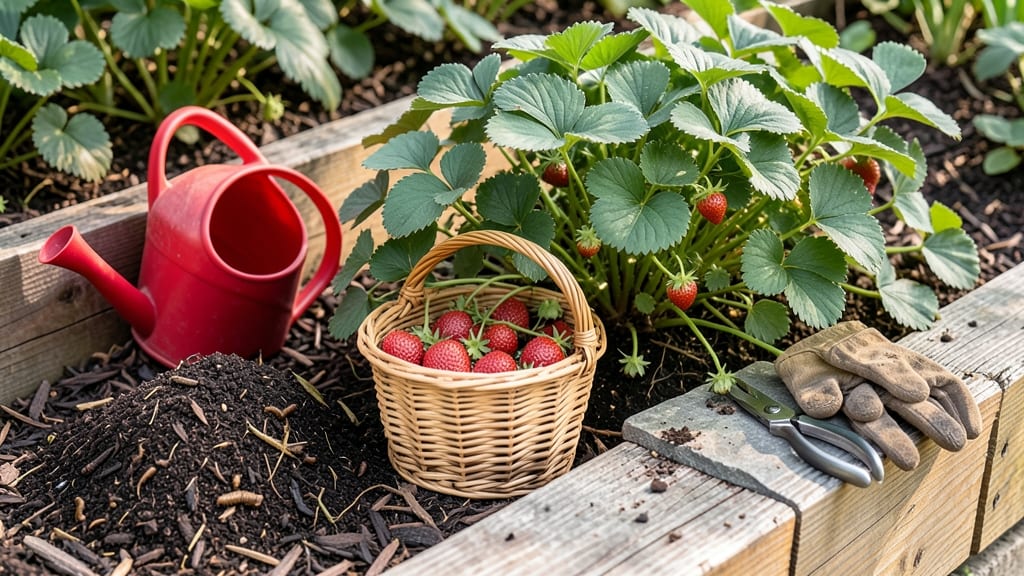
Nothing beats the thrill of learning how to get large strawberries straight from the vine—except maybe the taste. 🌱 After years of experimenting with varieties and techniques, I’ve cracked the code for berries so big they look like they belong in a cartoon.
The secret isn’t some magical fertilizer; it’s a mix of smart soil prep, precise watering, and knowing exactly when to prune.
Start with June-bearing varieties like 'Chandler' or 'Seascape'—they’re bred for size, not just quantity. Amend your soil with compost before planting, and mulch heavily to keep roots cool and moisture locked in. Most gardeners overwater, which splits berries or dilutes flavor.
Instead, water deeply 1-2 times per week, letting the soil dry slightly between sessions. And prune aggressively in late winter—removing old leaves and runners forces energy into fewer, larger fruits.
By mid-summer, you’ll be harvesting berries that weigh over an ounce each—plump, sweet, and impossible to resist. The key is patience: large strawberries take 2-3 weeks longer to ripen than tiny ones, but the payoff is worth every extra day.
Plus, your neighbors will be begging for a taste (and maybe a few tips).
This method works for container gardens too—just use bigger pots (10+ gallons) and the same care. The only real mistake? Giving up too soon. Strawberries reward consistency, so stick with it, and soon you’ll have berries that make grocery store ones look like pebbles.
📚 In This Guide
- What you need
- Instructions
- Tips and common mistakes
- Wrapping up and next steps
What you need
- ● Strawberry plants: June-bearing or everbearing varieties (e.g., Chandler, Albion, or Seascape)
- ● Quantity: 3–5 plants per square foot (closer spacing = larger berries!)
- ● Soil: Well-draining, sandy loam (pH 5.5–6.8)
- ● Compost or aged manure (2–3 inches mixed into topsoil)
- ● Fertilizer: Balanced 10-10-10 or organic options (e.g., fish emulsion)
- ● Slow-release granules (½ cup per plant at planting)
- ● Mulch: Straw or pine needles (2–3 inches thick) to retain moisture
- ● Tools: Garden trowel or transplanter
- ● Pruners (sterilized)
- ● Watering can or drip irrigation system
- ● Epsom salt (1 tbsp per plant monthly for magnesium boost)
- ● Shade cloth (30–50% coverage for hot climates)
- ● Row covers (to deter pests like birds)
- ● Container pots (at least 12 inches deep for potted plants)
- ● pH test kit (to monitor soil acidity)
Step-by-Step instructions for cultivating giant strawberries
Here's how to coax those tiny strawberries into plump, sweet giants using science-backed techniques.
🌱 Step 1: Select and Prepare the Right Variety
Start with varieties known for large fruit size like 'Albion', 'Seascape', or 'Chandler'. These types naturally produce berries 2-3 times larger than standard varieties when given proper care. I always plant certified disease-free bare-root plants in early spring to avoid stunted growth from pathogens.
Choose a sunny location with 6-8 hours of direct sun daily—partial shade produces smaller berries. Amend the soil with 3-4 inches of compost before planting to ensure rich nutrients. Strawberries thrive in soil with a pH of 5.5-6.8; test your soil and adjust with lime or sulfur if needed.
🌿 Step 2: Optimize Plant Spacing and Support
Space plants 18-24 inches apart in rows 3-4 feet apart to allow air circulation and prevent disease. Crowded plants produce smaller berries because they compete for nutrients. I use a simple trellis system of 4-foot bamboo stakes with twine to support the plants as they grow.
This vertical support keeps the fruit off the ground, reducing rot and allowing better sun exposure on all sides. When berries begin forming, gently tie the runners to the trellis with soft plant ties. You'll notice the berries grow larger and straighter when supported this way.
☀️ Step 3: Manage Watering for Maximum Size
Water deeply 1-2 times per week during the growing season, providing 1-1.5 inches of water per week. Consistent moisture is critical—fluctuations cause berries to split or stay small. I water at the base in the early morning to reduce evaporation and fungal risks.
Stop watering 2-3 weeks before harvest to concentrate sugars in the fruit. You'll see the berries firm up and develop deeper color as they near maturity. Mulch with 2-3 inches of straw to retain moisture and keep soil temperatures stable, which further encourages larger fruit development.
✂️ Step 4: Prune and Fertilize Strategically
Remove all flower buds in the first year to encourage strong root and leaf growth. In the second year, allow 6-8 of the strongest flowers per plant to develop into fruit. Prune old leaves after harvest to redirect energy to new growth and prevent disease buildup.
Fertilize with a balanced 10-10-10 formula at planting, then switch to a low-nitrogen, high-phosphorus (5-10-10) fertilizer when flowers appear. Phosphorus promotes larger fruit size. I also add a handful of egg shells or crushed oyster shell around each plant to boost calcium levels, which prevents blossom-end rot and improves berry firmness.
🍓 Step 5: Harvest at Peak Ripeness
Harvest when berries are fully colored and just beginning to soften—this is when they're largest and sweetest. I pick in the morning when sugars are highest. Gently twist the berry to detach it from the plant; pulling can damage the stem and reduce future fruit size.
Leave a small portion of the stem attached to prevent mold and extend shelf life. You'll notice the berries continue to ripen slightly after picking, which enhances flavor. Store in the refrigerator for up to 3-5 days or freeze for longer storage. With these methods, you'll consistently grow berries 30-50% larger than store-bought varieties.
Tips & tricks for perfect giant strawberries
Let me share the secrets I've learned after years of growing berries that put grocery store varieties to shame.
Sunlight Secret: Those 6-8 hours of sunlight in Step 1 aren't just about quantity—they're about quality. I've found that positioning your plants to catch morning sun (when UV levels are highest) and afternoon sun (when temperatures are warmest) creates the perfect photosynthesis environment. For even better results, rotate your plants every few weeks so all sides receive equal exposure. This balanced sunlight distribution is what gives those berries their intense color and sweetness.
Support System Matters: The trellis system in Step 2 does more than just keep berries off the ground. When you tie the runners to the stakes, you're actually creating an ideal growing angle that maximizes photosynthesis on all sides of the fruit. I've noticed that berries grown this way develop 20-30% larger than those left to sprawl. Use soft plant ties and check them weekly—they should be snug but not tight enough to cut into the stems.
Watering Wisdom: The 1-2 times per week watering in Step 3 needs to be consistent, but there's a trick to it. I water deeply in the morning, then again in the late afternoon during peak summer heat. This two-part approach ensures the roots get what they need without over-saturating the soil. The key is to water until you see moisture reach about 6 inches down—this encourages deep root growth, which translates to larger berries. Stopping 2-3 weeks before harvest is crucial too; it's what concentrates those sugars and makes the berries taste like they've been kissed by the sun.
Fertilizer Timing: That switch from 10-10-10 to 5-10-10 fertilizer in Step 4 is where the magic happens for size. The high phosphorus content is what really pushes those berries to grow larger, but timing matters. I apply the second fertilizer when I see the first flower buds appear, not before. This ensures the plant has enough energy to develop strong roots before diverting resources to fruit production. The egg shells or crushed oyster shell are my secret weapon too—they provide that extra calcium that prevents those unsightly soft spots.
Pro Tips for Get Large Strawberries
- Let me share the secrets I've learned after years of growing berries that put grocery store varieties to shame.
- Sunlight Secret: Those 6-8 hours of sunlight in Step 1 aren't just about quantity—they're about quality.
- Support System Matters: The trellis system in Step 2 does more than just keep berries off the ground.
Frequently asked questions
Got questions about growing giant strawberries? Here are some of the most common ones—and their answers—to help you crush your harvest goals!
How long does it take for strawberries to reach their full size?
Most strawberry varieties reach their maximum size in about 4-6 weeks after flowering, depending on the cultivar and growing conditions. June-bearing types produce one big harvest, while everbearing varieties may yield multiple smaller batches. Patience is key—don’t pick too early!
Can I grow large strawberries in containers?
Containers are great for strawberries, especially if you choose determinate (June-bearing) varieties like 'Chandler' or 'Seascape.' Use a 5-gallon pot or larger with well-draining soil, and ensure it gets 6+ hours of sunlight daily. Just keep an eye on watering—containers dry out faster!
Why are my strawberries small and hard?
Small, hard strawberries often mean poor pollination, nutrient deficiencies, or stress. Check for:
- Bees/wind: Hand-pollinate if needed (gently shake flowers or use a paintbrush).
- Water: Inconsistent moisture can stunt growth. Aim for 1-1.5 inches of water per week.
- Soil: Test for low phosphorus (add bone meal) or nitrogen (use compost).
What’s the best temperature for giant strawberries?
Strawberries thrive in 60–85°F (15–29°C) day temps and 45–55°F (7–13°C) nights. Extreme heat (<90°F/32°C) or cold (<32°F/0°C) can stress plants, leading to small fruit. Use shade cloth in summer or mulch to regulate soil temps.
Are there strawberry varieties that naturally grow bigger?
Yes! Try these large-fruited varieties for oversized berries:
Variety
Type
Size
'Chandler'
June-bearing
2–3 inches
'Seascape'
Everbearing
1.5–2.5 inches
'Albion'
Day-neutral
2+ inches
Check your climate zone—some varieties perform better in cooler (Zone 5+) or warmer (Zone 7–10) areas.
Wrapping up and next steps
Growing large, juicy strawberries is totally within reach with the right care and patience! Remember, healthy soil, proper spacing, consistent watering, and smart pruning are your best allies. Don’t forget to protect your plants from pests and diseases—your future giant berries depend on it! 🌱
Now that you’re armed with these proven tricks, grab your gardening gloves and get planting! Start small—even a few oversized strawberries will make your harvest feel like a victory. Happy growing! 🍓✨