
Pests
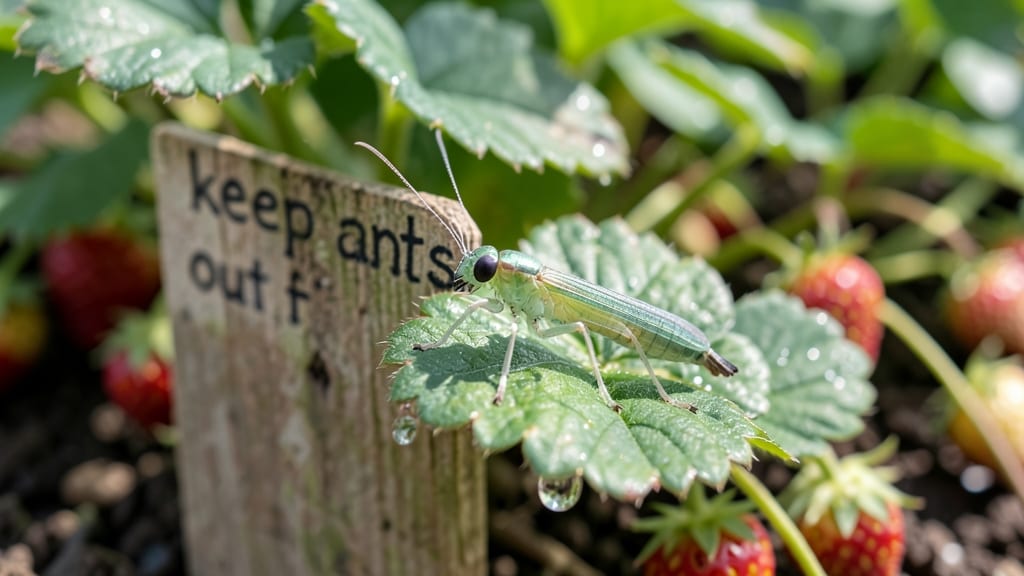
How to keep ants out of strawberry plants—that cinnamon trick actually works—fast. 🌱 I’ve seen entire colonies vanish within 24 hours after applying a simple barrier, and your berries stay safe from both ants and the aphids they farm. The problem starts when ants protect aphids that sap your plants dry. Cinnamon disrupts their scent trails, while diatomaceous earth (food-grade) crushes their exoskeletons. No harsh chemicals, just natural disruption—sprinkle both around the base of plants at dusk when ants are most active. You’ll notice fewer ants within hours, and your strawberries will rebound with vibrant green leaves and sweeter fruit. The barrier lasts 1-2 weeks before needing refresh, and it doubles as a mild fungicide for extra protection. For stubborn colonies, combine this with duckweed in nearby containers—ants hate wading through it. Works in containers, raised beds, or in-ground gardens. Let’s get those berries back to thriving!
Root Causes of Ant Invasions
Ants aren’t just random visitors to your strawberry patch—they’re drawn there for a reason. Understanding why they show up is the first step to stopping them. Below, we break down the science behind their attraction to your plants, so you can tackle the problem at its source.
Strawberries are ant magnets because of their natural sugars. When you harvest or even brush against the plants, you release nectar, juices, and fallen fruit—all of which ants detect using their antennae. These tiny sensors pick up volatile organic compounds (VOCs), like fructose and glucose, from miles away.
Once they find a food source, ants leave pheromone trails to recruit thousands more, turning your garden into an all-you-can-eat buffet.
💡 Pro Tip: Ripe or overripe strawberries on the ground are a red flag. Remove them immediately—ants will exploit even a single dropped berry to establish a colony.
Ants don’t just eat strawberries—they’re also farmers. They herd aphids, mealybugs, and other sap-sucking pests to your plants because these insects produce honeydew, a sticky, sugary waste product.
Ants protect these pests from predators (like ladybugs) in exchange for this liquid gold. Since strawberry plants are soft and juicy, they’re prime real estate for aphids—and thus, ant colonies.
🔍 Signs of honeydew:
- Shiny, sticky residue on leaves or soil
- Black sooty mold (a fungus that grows on honeydew)
- Ants marching in straight lines (following pheromone trails)
If you see these, your plants are already part of an ant-aphid ecosystem—and the ants will keep coming back.
Ants need water and shelter, and strawberry beds provide both. The mulch around your plants retains moisture, creating a humid microclimate that ants love. Meanwhile, the shallow root systems and loose soil offer easy digging opportunities for nests.
Some species, like fire ants or pavement ants, even build mounds near the base of plants to stay close to their food source.
🌡️ Why mulch attracts ants:
- Organic mulch (like straw or wood chips) breaks down, providing food and nesting material.
- Inorganic mulch (like gravel) can trap moisture, making it easier for ants to hydrate.
- Damp soil after watering or rain creates high humidity, which ants seek out.
If your garden stays consistently moist, ants will see it as a year-round hotel.
Stressed plants are more attractive to pests, including ants. When strawberries are underwatered, overwatered, or nutrient-deficient, they produce stress signals in the form of volatile chemicals. These signals don’t just warn other plants—they also attract insects looking for easy meals.
Additionally, weak plants can’t produce enough secondary metabolites (like tannins), which naturally repel pests.
💪 How to reduce plant stress:
- Water deeply but consistently—avoid soggy or bone-dry soil.
- Use balanced fertilizer (high in potassium) to boost plant resilience.
- Prune dead or diseased leaves to remove pest entry points.
A healthy plant is less likely to become an ant buffet.
You might be unwittingly inviting ants into your garden. Dropped food scraps, spilled drinks, or even pet food near your strawberry patch creates a secondary food source that ants exploit before moving to your plants.
Worse, gardening tools, shoes, or pet paws can carry ant colonies from one part of your yard to your strawberries. If ants have a bridge (like a mulch path or a stone border) leading to your plants, they’ll use it to establish a permanent route.
✨ Break the ant highway:
- Store food and pet bowls far from plants.
- Clean up spills immediately—ants can detect sugar residues for days.
- Inspect tools and shoes before moving between garden areas.
Cut off their access, and you cut off their supply line.
Natural Fixes for Ant Infestations
Ants might seem like tiny troublemakers, but they can wreak havoc on your strawberry plants—especially when they’re farming aphids or tunneling into roots. The good news? You don’t need harsh chemicals to kick them out. Here’s how to tackle the problem naturally, based on the cause of the invasion.
Ants love aphids because they produce honeydew, a sweet treat that ants can’t resist. If you’ve spotted aphids on your strawberries, break the cycle with these steps:
🔥 Spray Down Aphids First
- 🍳 Mix a soapy water solution: Combine 1 tablespoon of mild dish soap (like Castile soap) with 1 quart of water. Spray it directly on aphids—this disrupts their protective coating and drowns them.
- 👨🍳 Repeat every 3-4 days until aphids disappear.
Ants will lose their food source and move on.
🥘 Introduce Aphid Predators
- 🐞 Ladybugs & lacewings are aphid-eating superheroes. Buy them online or attract them with neem oil sprays (which aphids hate but predators tolerate).
- 🌿 Plant companion flowers like marigolds or dill nearby—they lure beneficial insects away from your strawberries.
✨ Prevention Tip
- 💡 Check undersides of leaves daily. Early detection = fewer ants. A quick spray with water can also knock aphids off before they multiply.
If ants are digging tunnels near your strawberry roots, they’re likely nesting. Stop them before they damage your plants:
🔪 Create a Cinnamon Barrier
- 🌡️ Sprinkle cinnamon liberally around the base of your strawberry plants (but not on leaves—it can burn them). Ants hate cinnamon’s strong scent and won’t cross it.
- 🎯 Reapply after rain or every few days to maintain the barrier.
🏗️ Use Diatomaceous Earth (DE)
- 🔍 Sprinkle food-grade DE in a thin layer around the plant’s perimeter. It’s a natural abrasive that dehydrates ants on contact.
- ⚠️ Warning: DE loses effectiveness when wet, so reapply after rain.
🌿 Mulch with Ant-Repelling Plants
- 🌱 Plant mint, lemon thyme, or cloves near strawberries. Their strong scents confuse ants and keep them away.
💡 Pro Tip
- 🔥 Avoid overwatering—ants love damp soil. Water plants at the base in the morning so soil dries faster.
If ants are swarming ripe strawberries, they’re after the sugar. Outsmart them with these tricks:
🍓 Pick Berries Early or Use Netting
- ⏰ Harvest strawberries as soon as they ripen to remove the temptation.
- 🛡️ Cover plants with fine mesh netting if ants are persistent. Secure it tightly so they can’t crawl underneath.
🧂 Sprinkle Borax or Salt (Sparingly) - ⚠️ Use caution: Mix 1 part borax or salt with 4 parts sugar and place small amounts near ant trails.
Ants will carry it back to the colony, but keep it away from pets/kids. - 🌡️ Better alternative: Coffee grounds (sprinkled around plants) repel ants without harming the environment.
💡 Quick Fix
- 🔥 Wipe down ripe strawberries with a vinegar-water mix (1:1) before picking. The sour smell deters ants.
Once you’ve evicted the ants, take steps to prevent reinfestations:
- 🌿 Rotate crops to disrupt ant foraging patterns.
- 🍃 Keep garden beds tidy—ants love debris where they can hide.
- 🌡️ Plant basil or garlic near strawberries—their pungent smells repel ants naturally.
- 💡 Monthly check: Inspect plants for early signs of aphids or ant trails.
Final Thought: Ants are more of a nuisance than a threat, but acting fast with natural deterrents keeps your strawberries safe—and delicious! 🍓✨
Frequently asked questions
Why do ants suddenly appear in my strawberry patch?
Ants target strawberries because of their natural sugars and the aphids they attract. When you harvest berries or aphids produce honeydew, ants follow the scent trails. They also love damp mulch and shallow roots for nesting. Check for shiny leaves (aphids) or ant trails—these reveal their food source.
Will cinnamon really keep ants away from my plants?
Yes! Cinnamon disrupts ants' scent trails, making them avoid treated areas. Sprinkle a thick line around plant bases (not leaves) and reapply after rain. For stubborn colonies, combine with diatomaceous earth for a double barrier. Results appear within 24 hours.
Is diatomaceous earth safe for strawberry plants?
Food-grade diatomaceous earth (DE) is safe for plants but deadly to ants. It dehydrates ants by damaging their exoskeletons. Apply a light dusting around plant edges, avoiding direct contact with leaves. Reapply after watering—DE loses effectiveness when wet.
What's the best way to protect ripe strawberries from ants?
Harvest berries as soon as they ripen or use fine mesh netting. For existing infestations, wipe berries with a vinegar-water mix (1:1 ratio) before picking. Avoid leaving fallen fruit—ants will exploit even small amounts to establish colonies.
How long does it take to see results from natural ant deterrents?
Most methods show results within 24-48 hours, though severe infestations may take 3-5 days. Cinnamon works fastest, while diatomaceous earth needs repeated applications. Monitor daily for new trails—this indicates active colonies needing reinforcement.