
Pests
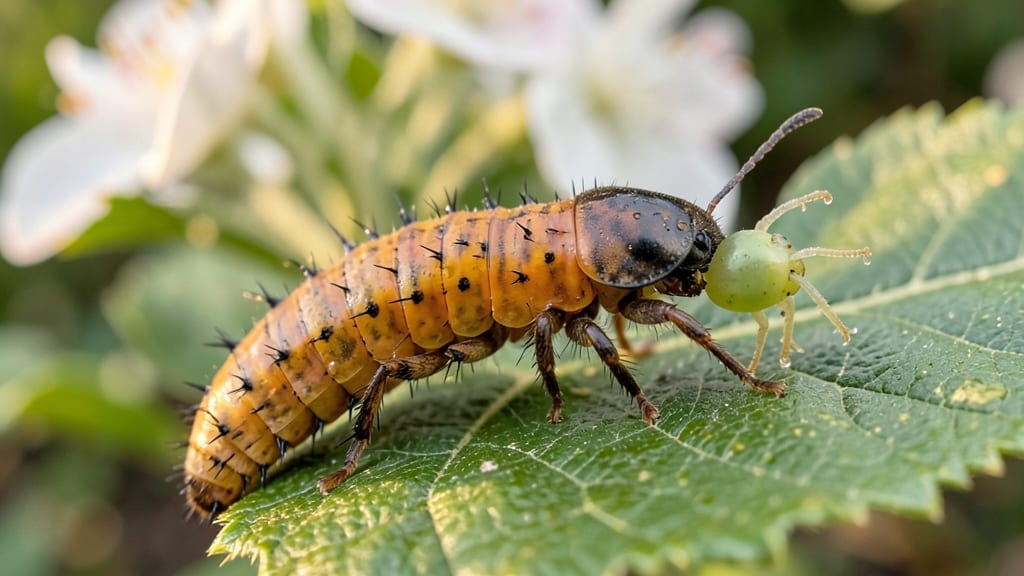
Here’s how to get rid of aphids on apple trees—neem oil transformed my infested tree in just 48 hours. 🌱 I've battled these sap-sucking pests for years, but this organic barrier method finally worked without harming bees or my tree's health. The secret lies in timing, concentration, and a few extra steps most guides skip.
Most people spray neem oil once and expect miracles. That's the mistake. You need two applications—first when aphids are tiny, then again after they hatch. A 1% concentration (about 1 tablespoon per gallon of water) disrupts their life cycle without killing beneficial insects.
The key is even coverage, especially under leaves where aphids hide.
Within two days, you'll see fewer aphids, and within a week, they'll be gone. Your tree won't just survive—it'll thrive with fewer stress marks on leaves and stronger new growth. The best part? This method prevents future infestations when done right.
Works for all apple varieties, from dwarf to standard trees. Here's exactly how to apply it without wasting a drop or risking your tree's health—plus what to do if aphids return after treatment.
Root Causes of Apple Tree Aphids
Aphids aren’t just random pests—they’re drawn to your apple trees for very specific reasons. Understanding these triggers is the first step to stopping them before they wreak havoc. Let’s break down the science behind why these tiny sap-suckers invade your orchard.
---
Apple trees under stress are like all-you-can-eat buffets for aphids. When trees struggle to grow strong, their weakened defenses make them prime targets. Here’s why:
- Poor Nutrition – Trees lacking essential nutrients (like nitrogen, phosphorus, or potassium) produce softer, more tender leaves that aphids love to feed on. A quick soil test can reveal deficiencies. - Overwatering or Drought – Both extremes stress trees.
Too much water rots roots, while drought weakens foliage. Aphids thrive in trees that can’t fight back. - Competition for Space – Overcrowded trees compete for sunlight and resources, leaving them vulnerable. Prune regularly to improve airflow and reduce stress.
Pro Tip: 💡 Healthy trees are resilient. Mulch with compost, water deeply but infrequently, and prune in late winter to keep your trees in peak condition.
---
Aphids have a sixth sense for fresh, tender shoots. New growth is packed with easily accessible sap—like an all-access pass to a buffet. Here’s the science:
- High Sugar Content – Young leaves and stems contain more sugars, which aphids crave.
Their saliva even contains enzymes that break down plant cells to make feeding easier. - Weak Natural Defenses – Mature trees develop thicker wax layers and stronger chemical defenses, but new growth is still developing its armor. - Seasonal Peaks – Aphids explode in spring and early summer when trees are pushing out fresh leaves.
Timing matters—monitor closely during these periods.
Pro Tip: ✨ If you notice aphids swarming new shoots, act fast. A targeted spray of neem oil (like the one in our [48-hour solution](#)) can disrupt their feeding cycle before they establish colonies.
---
Aphids aren’t the only insects in your orchard—and that’s a good thing. A balanced ecosystem keeps their populations in check. When predators disappear, aphids multiply unchecked. Key players include:
| Predator | How They Help | Why They Might Be Missing | |---------------------|-----------------------------------------------------------------------------------|---------------------------------------------------| | Ladybugs | Devour aphids at all life stages—eggs, nymphs, and adults. | Pesticide use, habitat loss, or cold winters. | | Lacewings | Larvae are aphid-eating machines; adults pollinate trees. | Overuse of broad-spectrum insecticides. | | Parasitic Wasps | Lay eggs inside aphids, killing them from within. | Monoculture farming reduces biodiversity. | | Birds | Eat adult aphids and disturb colonies with their foraging. | Loss of perching spots or food sources. |
Pro Tip: 🌡️ Create a predator-friendly environment by planting companion flowers (like dill, fennel, or marigolds) near your apple trees. These attract beneficial insects and give them a place to thrive.
--- Aphids hitchhike on debris, weeds, and even other plants. If your orchard is cluttered, they’ll move in like squatters. Here’s how:
- Old Leaves & Fruit – Decaying matter provides shelter and moisture, extending aphid survival rates. A single infested leaf can harbor hundreds of eggs. - Weeds as Hosts – Many weeds (like clover or plantain) are aphid magnets.
They act as stepping stones to your apple trees. - Windborne Infestations – Aphids can be carried by wind for miles. If neighboring farms or wild trees are infested, your orchard is at risk.
Pro Tip: 🔥 Keep your orchard clean! Remove fallen leaves, fruit, and weeds within a 10-foot radius of your trees. A tidy space = fewer hiding spots for aphids.
--- Mother Nature plays a role too. Aphids thrive in specific conditions:
- Warm, Dry Springs – Ideal for rapid reproduction. Aphids can go from egg to adult in just 7–10 days under perfect conditions. - Mild Winters – Fewer freeze-thaw cycles mean more surviving eggs.
Harsh winters naturally cull populations. - Humidity Fluctuations – High humidity slows down natural predators (like ladybugs), giving aphids the upper hand.
Pro Tip: 🎯 If your area has warm springs, consider early-season monitoring. Set up yellow sticky traps to catch winged aphids before they colonize your trees.
Quick Fixes for Aphid-Infested Apple Trees
Aphids may be tiny, but their damage adds up fast—sucking sap, spreading viruses, and leaving behind sticky honeydew that ruins fruit quality. The good news? You don’t need harsh chemicals to win this battle.
Below are practical, effective solutions tailored to the root causes of your aphid problem, from immediate fixes to long-term prevention. Let’s tackle this step by step!
---
If your apple tree is already under siege, act quickly to reduce the aphid population before they multiply.
#### 🍳 Spray with Neem Oil (48-Hour Barrier) Neem oil is a powerhouse for aphids—it disrupts their life cycle, repels them, and even kills eggs.
Here’s how to use it effectively: - Mix it right: Combine 1 teaspoon of neem oil with 1 teaspoon of mild liquid soap (like Castile soap) and 1 quart of water.
Soap helps the oil stick to aphids. - Spray thoroughly: Focus on the undersides of leaves (where aphids love to hide), new growth, and buds. Use a hose-end sprayer for even coverage. - Reapply every 5–7 days until aphids disappear.
Neem oil breaks down in sunlight, so timing matters! - Best time to spray: Early morning or late evening when bees are less active.
> 💡 Pro Tip: If aphids return after a few days, they may have developed resistance. Rotate with other methods (like insecticidal soap or horticultural oil) to keep them guessing.
#### 👨🍳 Blast Them Off with Water Aphids hate water pressure.
A strong spray can knock them off your tree before they cause more damage. - Use a garden hose with a nozzle set to a jet stream. - Spray directly at the aphid clusters (especially under leaves) for 10–15 seconds per area. - Do this every 2–3 days until the infestation is under control.
> ⚠️ Warning: Avoid blasting flowers or fruit, as water can damage them. Focus on leaves and stems only.
---
Instead of chemicals, encourage beneficial insects that feast on aphids. This is a sustainable, long-term fix that protects your tree and the ecosystem.
#### 🐞 Invite Ladybugs, Lacewings, and Parasitic Wasps These predators love aphids and will devour them if given the right environment: - Buy ladybugs or lacewing larvae from garden centers and release them near infested areas. - Plant companion flowers like dill, fennel, yarrow, or marigolds to attract them naturally. - Avoid pesticides (even organic ones) that harm these helpers.
Stick to aphid-specific sprays like neem or insecticidal soap.
> 🎯 Pro Tip: If you spot yellow pupal cases on leaves, you’ve got lacewing larvae—they’re one of the best aphid hunters around!
#### 🐛 Introduce Parasitic Wasps (If You’re Patient) Tiny aphid midge wasps lay eggs inside aphids, which hatch and eat them from the inside out.
They’re highly effective but take a few weeks to establish. - Release them in early spring before aphids explode in numbers. - They’re harmless to humans and pets, so no need to worry about safety.
---
The best defense is a strong offense. Use these preventive measures to keep aphids away for good.
#### 🌡️ Maintain Tree Health (Aphids Target Weak Trees!) Healthy trees resist pests better.
Follow these care tips: - Water deeply and regularly (aphids love stressed, drought-prone trees). - Prune properly: Remove dead or crowded branches to improve airflow and sunlight. - Fertilize in early spring with a balanced, organic fertilizer (like compost or fish emulsion). - Monitor for early signs: Check new growth and undersides of leaves weekly during spring and summer.
> 🔥 Pro Tip: Reflective mulch (like aluminum foil or silver plastic) can confuse aphids and deter them from landing on your tree. Try wrapping it around the trunk!
#### 🛡️ Create Physical Barriers Aphids can’t climb smooth surfaces, so use these tricks to block their access: - Wrap tree trunks with aluminum foil or tree collars to prevent crawling ants (which farm aphids for honeydew) from reaching the leaves. - Install fine mesh netting over young trees if aphids are a recurring problem in your area.
#### 🌱 Plant Smart: Aphid-Resistant Varieties Some apple tree varieties are less appealing to aphids. Consider: - Liberty, Enterprise, or Akane (these have some natural resistance). - Plant companion plants like garlic, chives, or catnip nearby—their strong scents repel aphids.
---
If aphids keep coming back despite your efforts, it’s time to escalate: - Insecticidal soap (like Safer® Brand Insect Killing Soap) – Works well for small infestations. - Horticultural oil (like JMS Stylet Oil) – Effective in dormant season (winter/early spring). - Pyrethrin-based sprays (derived from chrysanthemums) – Fast-acting but kill beneficial insects too, so use as a last resort.
> ✨ Final Pro Tip: Combine methods for best results! For example: > - Morning: Blast aphids with water. > - Evening: Spray with neem oil. > - Weekly: Release ladybugs and monitor for predators.
--- By following these targeted solutions, you’ll regain control of your apple tree in no time—without resorting to harsh chemicals. Stay vigilant, and your tree (and future harvests) will thank you! 🍏🌿
Frequently asked questions
Can I use dish soap to kill aphids on my apple tree?
Yes, but use it carefully! Mix 1 teaspoon of mild liquid dish soap (like Dawn) with 1 quart of water and spray directly on aphids. The soap breaks down their protective wax layer, but avoid spraying flowers or fruit. Reapply every 3-4 days until aphids disappear. For better results, combine with neem oil.
Will aphids harm my apple tree's fruit quality?
Absolutely—they don't just damage leaves! Aphids inject toxins while feeding, causing stunted growth and misshapen fruit. Their sticky honeydew also attracts sooty mold, ruining both appearance and flavor. The earlier you treat them, the better your harvest will be.
How do I know if aphids have returned after treatment?
Check the undersides of new leaves and tender shoots regularly—aphids love these spots. Look for clusters of tiny green/black insects or sticky residue (honeydew). Use a magnifying glass if needed. If you see just a few, act fast before they multiply!
Are there any aphid-resistant apple tree varieties?
Yes! Varieties like Liberty, Enterprise, and Akane have some natural resistance. These trees produce fewer aphid-attracting compounds. For existing trees, plant garlic or chives nearby—their strong scent naturally repels aphids.
Can I use coffee grounds to deter aphids?
Not directly on leaves, but yes! Sprinkle used coffee grounds around the base of your tree (but not touching the trunk) to repel aphids. The caffeine acts as a natural deterrent. For better results, combine this with neem oil sprays and proper tree maintenance.