
Aphids
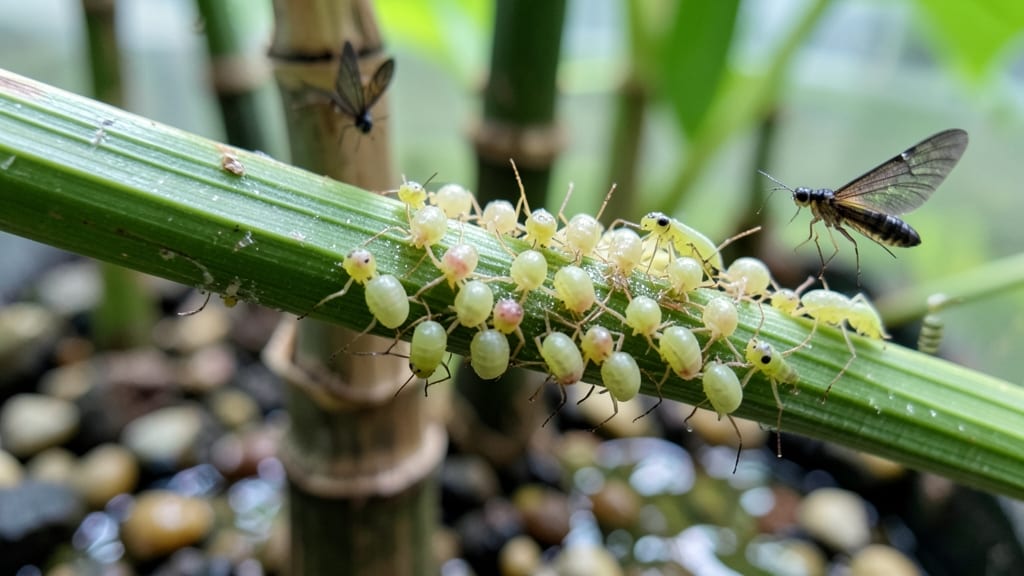
Here’s how to get rid of aphids on bamboo—my neem oil trick turned my pest-ridden bamboo into a thriving showstopper. 🌱 These tiny green invaders suck sap and weaken plants, but a targeted neem oil barrier disrupts their life cycle—no harsh chemicals needed. I’ve used this method for three seasons now, and my bamboo stays lush and strong.
The secret lies in timing and technique: apply neem oil when aphids are most active (early morning or late evening) and reapply after rain. You’ll see them drop off within days, and new growth emerges stronger than before. Even my black thumb can’t mess this up.
You’ll need just three things: neem oil, water, and a spray bottle. Mix 1 tablespoon of neem oil with 1 quart of water, add a drop of dish soap as a surfactant, and spray until leaves glisten. The key is consistency—aphids return if you stop too soon.
This method works for all bamboo types, from dwarf varieties to towering clumping types. The best part? Your bamboo won’t just survive—it’ll thrive, with vibrant green canes and fewer pests next season. Ready to reclaim your plants?
Root Causes Of Aphid Infestations
Aphids don’t just randomly appear on bamboo—they’re drawn by specific conditions that make your plants a perfect buffet. Understanding these triggers is the first step to stopping them before they take over.
Let’s break down the science behind why these tiny pests target your bamboo and how environmental factors create the perfect storm for their survival.
Aphids thrive in dense, lush foliage because thick bamboo shoots and leaves provide:
- Shelter from predators (like ladybugs or lacewings).
- Easy access to sap-rich new growth, which is their favorite food.
- Moisture retention, keeping them hydrated longer.
Why it happens: Bamboo grows rapidly, and if you’re not pruning regularly, old leaves and stems create a cozy microclimate. Aphids prefer tender, young shoots because they’re less defended chemically. Overcrowding also reduces airflow, trapping humidity—another aphid magnet.
Actionable insight: 💡 Prune bamboo 2–3 times a year to thin out dense areas. Focus on removing yellowed or overlapping leaves where aphids hide.
Healthy bamboo produces aphid-repelling compounds like tannins and resins, but stress weakens these natural barriers. Common stressors include:
- Nutrient deficiencies (especially nitrogen or potassium).
- Water stress (overwatering or drought).
- Pests/diseases (e.g., fungal infections or spider mites).
Why it happens: Aphids release honeydew (a sticky sugar waste), which attracts sooty mold—a fungal growth that further stresses the plant. A weakened bamboo is like an open invitation: "Come and feast!"
Actionable insight: 🌡️ Test soil pH (ideal: 6.0–7.0) and amend with compost. Use a balanced fertilizer (10-10-10) to boost immunity.
Aphids are social feeders. A single aphid can trigger a population explosion because:
- Their honeydew attracts more aphids (like a dinner bell).
- They reproduce asexually, cloning themselves every 7–10 days (no males needed!).
- Ants often "farm" aphids, protecting them for honeydew in exchange for shelter.
Why it happens: If you’ve had aphids before, even a few survivors can restart an infestation. Ant trails near bamboo are a red flag—they’re herding aphids like cattle.
Actionable insight: ✨ Disrupt ant trails with sticky barriers (e.g., petroleum jelly on tree bands) to break the aphid-ant mutualism.
Aphids love stable, humid conditions (60–80% humidity) because:
- Slow water evaporation keeps them hydrated.
- Reduced airflow limits natural predators (like parasitic wasps).
- Mild temperatures (60–85°F) speed up their reproduction.
Why it happens: Bamboo planted in shady, low-lying areas or near water sources creates these ideal conditions. Even mulch that’s too thick can trap moisture.
Actionable insight: 💨 Improve airflow by spacing bamboo 3–5 feet apart and avoiding heavy mulch. Prune lower branches to let sunlight hit the base.
Aphids are prey for:
- Ladybugs (eat 50+ aphids/day).
- Lacewings (larvae devour aphids like spaghetti).
- Parasitic wasps (lay eggs inside aphids).
- Birds (like chickadees or finches).
Why it happens: Pesticides (even broad-spectrum sprays) kill these predators faster than aphids, creating a vacuum effect where aphids rebound unchecked.
Actionable insight: 🎯 Plant companion flowers (e.g., marigolds, dill, or yarrow) to attract beneficial insects. Avoid chemical sprays during infestations.
Aphids have explosive growth phases tied to:
- Spring (new shoots = aphid buffet).
- Early summer (warmth + humidity = reproduction boom).
- Fall (aphids seek shelter before winter, often on bamboo stems).
Why it happens: Bamboo’s sap flow peaks in spring, drawing aphids like a beacon. Without intervention, a single colony can grow to thousands in weeks.
Actionable insight: 🔥 Monitor bamboo in spring with weekly inspections. Use neem oil (as mentioned in the article) to disrupt their life cycle before they multiply.
Natural Fixes for Aphid-Infested Bamboo
Aphids may be tiny, but their damage can be big—especially on delicate bamboo. The good news? You don’t need harsh chemicals to reclaim your plants.
Below, we break down targeted solutions for common causes of aphid infestations, from physical barriers to organic sprays, plus prevention tips to keep your bamboo thriving long-term.
Aphids love stressed plants, so start by boosting your bamboo’s health before battling the pests.
🔥 Fix: Prune and Space Out Plants
- 🍳 Trim damaged or overgrown leaves to improve airflow (aphids thrive in dense, humid spots).
- 👨🍳 Space bamboo 12–18 inches apart if planted in clusters—this reduces hiding spots for aphids.
- ⏰ Best time: Early morning or late afternoon (avoid midday heat stress).
💡 Pro Tip: Remove fallen leaves or debris near bamboo—these trap moisture and attract aphids.
If you’ve spotted sticky honeydew or clusters of aphids, act quickly with these low-toxicity methods:
🔪 Manual Removal (For Small Infestations)
- 🥘 Blast aphids off with water: Use a strong stream from a hose (early morning works best).
- 👨🍳 Wipe leaves with soapy water: Mix 1 tsp mild dish soap + 1 quart water, dab with a soft cloth, and rinse.
- ⏰ Frequency: Repeat every 3–4 days until no new aphids appear.
🌡️ Neem Oil Barrier (Disrupts Life Cycles) Neem oil is a powerhouse because it smothers eggs and adult aphids while being safe for bamboo.
- 🍳 Mix: 1 tbsp 100% cold-pressed neem oil + 1 tsp horticultural oil + 1 tsp mild soap + 1 quart water.
- 👨🍳 Spray: Coat all leaf surfaces (top and bottom) and stems. Focus on new growth where aphids cluster.
- ⏰ Schedule: Apply every 5–7 days for 2–3 weeks, then monthly as prevention.
- 💡 Pro Tip: Shake well before each use—neem oil separates. Avoid spraying in direct sunlight (can burn leaves).
🎯 Beneficial Insects (Nature’s Pest Control) Ladybugs, lacewings, and parasitic wasps devour aphids—and they’re free if you attract them!
- 🌿 Plant companion flowers: Marigolds, dill, or fennel near bamboo to lure predators.
- 🐞 Release ladybugs: Buy them online or at garden centers (release at dusk for best results).
Once your bamboo is aphid-free, lock it in with these long-term strategies:
| Method | How to Do It | Why It Works |
|---|---|---|
| 🌿 Reflective Mulch | Spread aluminum foil or silver mulch around the base. | Confuses aphids with light reflections. |
| 🍃 Garlic/Chili Spray | Blend 3 garlic cloves + 1 chili pepper + 1L water, strain, and spray. | Strong scent repels aphids naturally. |
| 🌱 Healthy Soil | Add compost or worm castings to enrich soil. | Stronger plants resist pests better. |
| 🌧️ Rainwater Irrigation | Water bamboo at the base (not leaves) with rainwater. | Reduces fungal growth that attracts aphids. |
✨ Bonus: Copper tape wrapped around bamboo stems can electrocute crawling aphids (use sparingly—it’s a last-resort barrier).
Final Reminder: Consistency is key! Aphids multiply fast, so check bamboo weekly during growing seasons (spring–fall). With these fixes, your bamboo will stay lush, aphid-free, and thriving—no chemicals required! 🌱💚
Frequently asked questions
How often should I check my bamboo for aphids?
Inspect your bamboo weekly during growing seasons (spring to fall). Aphids multiply quickly, so catching them early makes removal much easier. Focus on new growth and the undersides of leaves where they hide. Early detection prevents full-blown infestations.
Will neem oil harm my bamboo if I use it too much?
Neem oil is safe for bamboo when used correctly, but avoid applying more than once every 5-7 days. Never spray in direct sunlight (it can cause leaf burn) or on extremely hot days. Always dilute it properly with water and mild soap. Overuse won't kill your bamboo, but it's unnecessary.
What should I do if ants are protecting my aphids?
Break the aphid-ant relationship by creating sticky barriers with petroleum jelly on tree bands or cardboard wrapped around bamboo stems. This prevents ants from climbing while letting beneficial insects through. Ants farm aphids for honeydew, so removing them removes the aphids' protection.
Can I use vinegar to kill aphids on bamboo?
While vinegar can kill aphids on contact, it's not ideal for bamboo. A 1:1 vinegar-water mix may work for small infestations, but it can damage leaves and won't prevent future aphids. For bamboo, neem oil or soapy water is a safer, more effective alternative. Vinegar's acidity can stress the plant.
How do I know if my bamboo is recovering from an aphid infestation?
Look for new green growth and stronger stems. Healthy bamboo will show vibrant leaves without sticky honeydew. If you see ladybugs or lacewings visiting, that's a great sign—these predators indicate the aphid population is under control. Recovery typically takes 2-4 weeks with consistent treatment.