
Pests
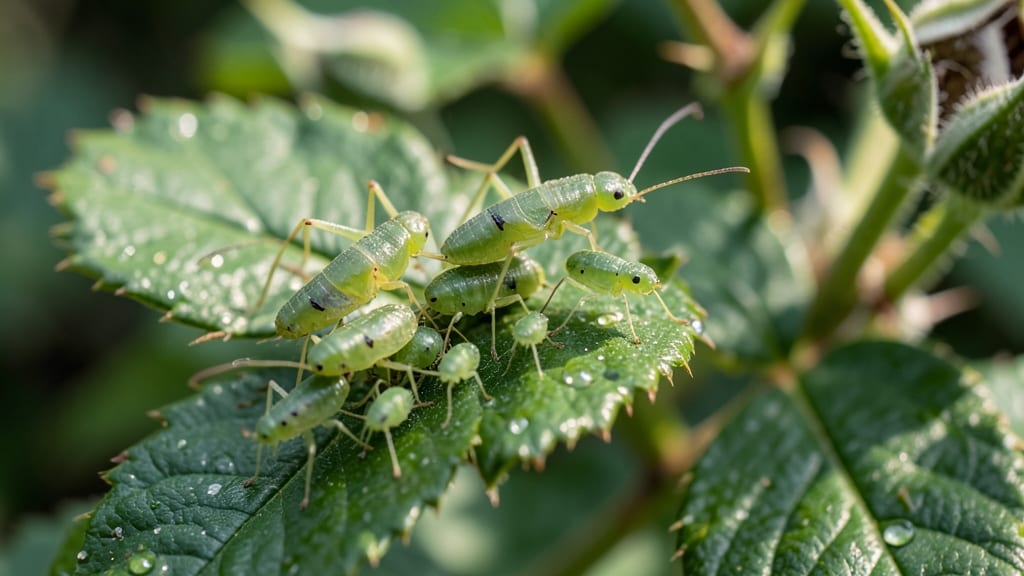
How to get rid of aphids on these rose bushes—neem oil spray is the game-changer I’ve been waiting for. 🌱 I’ve battled these tiny pests on my roses for years, and this one method finally broke their life cycle—no more sticky leaves or wilting buds. The key is timing and a few simple ingredients you likely already have.
Aphids thrive when roses are stressed, so start by giving your bushes proper care—water consistently, prune dead growth, and feed them well. Once they’re healthy, neem oil disrupts their feeding and breeding.
You’ll see results within 3-5 days of application, and the spray keeps working for up to 2 weeks if reapplied after rain.
This method isn’t just fast—it’s gentle on bees and butterflies, unlike harsh chemicals. You’ll notice fewer clusters of aphids after the first spray, and your roses will bounce back with stronger new growth. The best part? It prevents future outbreaks by keeping pests from settling in again.
Works for all rose types, from hybrid teas to climbers, and pairs perfectly with companion planting (like marigolds) for extra protection. Let’s get those bushes back to their full, aphid-free glory—without sacrificing your garden’s health.
Why Rose Bushes Get Aphid Infestations
Aphids may seem like tiny, harmless pests, but they can quickly turn your thriving rose bushes into a wilted mess. Understanding the root causes of these infestations helps you take targeted action—before they multiply out of control. Here’s why your roses might be attracting (and struggling with) these sap-sucking invaders.
Aphids thrive where roses are weak. When your bushes are stressed—due to poor spacing, overwatering, or nutrient deficiencies—they become an easy target. Here’s how it breaks down:
- Poor Air Circulation: Roses planted too closely together create humid microclimates, which aphids love.
Dense foliage traps moisture, making it easier for them to reproduce. - Nutrient Deficiencies: Roses lacking phosphorus or nitrogen (key for healthy growth) produce softer, more tender leaves—aphids’ favorite snack. - Root Stress: Overwatering or compacted soil weakens roots, reducing the plant’s ability to fight off pests naturally.
💡 Pro Tip: Prune roses to improve airflow and fertilize with a balanced rose-specific formula to boost resilience.
Aphids are drawn to tender, new shoots because they’re packed with sugary sap—their primary food source. Here’s why your roses might be sending out aphid signals:
- Spring Flush: When roses burst into new growth in spring, aphids detect the high sugar content in young leaves and stems.
- Over-Fertilization: Too much nitrogen (especially fast-release fertilizers) triggers rapid, soft growth, which aphids exploit.
- Pruning Mistakes: Heavy pruning in late summer or early fall can stimulate weak, aphid-prone regrowth.
🔥 Watch Out: If you see curled leaves or sticky residue (honeydew), it’s a sign aphids have already moved in.
Aphids don’t just appear—they’re often blown in or hitchhike from other plants. Weather and local ecosystems play a big role:
- Wind & Rain: Aphids can be carried by gentle breezes or spread via water splashes from nearby infested plants (like dandelions or fruit trees).
- Mild Winters: In regions with mild winters, aphids survive on alternate host plants (like buckthorn or spirea) and migrate to roses in spring.
- Drought Stress: While aphids love moisture, drought-stressed roses produce thinner leaves, making them easier for aphids to pierce and feed on.
✨ Prevention Hack: Plant aphid-repelling companions like marigolds, garlic, or lavender nearby to disrupt their migration paths.
A healthy garden ecosystem keeps aphid populations in check. But if your yard lacks beneficial insects, aphids multiply unchecked:
- Missing Ladybugs: These voracious eaters devour hundreds of aphids daily but may avoid treated or chemically stressed gardens.
- No Parasitic Wasps: Tiny aphid midges lay eggs inside aphids, killing them—yet they’re often absent in urban or pesticide-heavy areas.
- Bird & Lizard Decline: Fewer birds or lizards mean less natural pruning of aphid colonies.
🌡️ Balance Tip: Avoid broad-spectrum pesticides—they kill both pests and predators, tipping the scale in favor of aphids.
Sometimes, well-meaning gardening practices accidentally encourage aphids. Here’s how:
- Overhead Watering: Wet foliage attracts aphids and spreads honeydew (which grows sooty mold). - Using Ant Bait: Ants farm aphids for honeydew!
If you’ve seen ants tending to your roses, they’re likely protecting an aphid colony. - Ignoring Weeds: Weeds like cleavers or milkweed host aphids that later move to roses.
🎯 Fix It: Water at the base of plants, use ant barriers (like diatomaceous earth), and remove weed hosts within 10 feet of roses.
Aphids don’t attack randomly—they target weak, stressed, or isolated roses. By addressing plant health, companion planting, and natural predator support, you can starve out infestations before they start. The good news? Once you know the why, the how becomes much clearer. 🚀
Beat Back Aphids Fast
Aphids may seem like a tiny, harmless nuisance, but left unchecked, they can weaken your rose bushes, stunt growth, and even invite secondary pests like ants. The good news? You don’t need harsh chemicals to win this battle.
Below are targeted solutions based on the root cause—whether it’s overcrowded plants, weak immunity, or an aphid infestation explosion. Each fix is designed to be effective, eco-friendly, and easy to execute, even for busy gardeners.
Aphids love weak, crowded roses because they’re easier to feed on. Strengthen your bushes to make them less appealing.
🌱 Prune for Better Airflow
- Step 1: 🔪 Trim back overgrown branches to improve airflow. Aim for an open, vase-like shape—this reduces hiding spots for aphids.
- Step 2: Remove dead or diseased leaves (they attract pests).
Sterilize pruners with rubbing alcohol between cuts. - Step 3: Space out bushes if needed—aphids thrive in tight clusters. 6–12 inches apart is ideal for most rose varieties.
💡 Pro Tip:
🌡️ Water at the base, not the leaves. Wet foliage invites fungal diseases, which stress roses and make them more aphid-prone. Use a soaker hose for deep, slow watering.
🌿 Feed with Natural Fertilizers Weak plants are aphid magnets.
Give your roses a nutrient boost with: - Compost tea (rich in microbes that improve soil health) - Fish emulsion (high in nitrogen for leafy growth) - Epsom salt spray (1 tbsp per gallon of water, sprayed on leaves for magnesium)
Avoid over-fertilizing with synthetic nitrogen—it can make roses too soft, attracting more aphids.
If you’ve already spotted aphids, act fast before they multiply. These methods disrupt their life cycle without harming beneficial insects.
🍳 Blast Them Off with Water
- Step 1: 💦 Fill a garden sprayer with water and a drop of dish soap (it breaks their waxy coating).
- Step 2: Spray directly on aphid clusters until they’re dislodged.
Repeat every 2–3 days for 2 weeks. - Why it works: Aphids can’t survive without their sap source, and soap weakens their protective shell.
👨🍳 Deploy Natural Predators
Invite aphid-eating allies to your garden:
- Ladybugs (release 50–100 per bush)
- Lacewings (their larvae devour aphids)
- Parasitic wasps (like Aphidius colemani—order online if local stores don’t carry them)
💡 Pro Tip: Plant dill, fennel, or yarrow nearby—these attract beneficial insects and keep aphids away.
🥘 Neem Oil Spray
The Life-Cycle Breaker (This is your secret weapon—especially if aphids keep coming back!)
- Step 1: Mix 1 tbsp neem oil + 1 tsp mild castile soap + 1 quart water in a spray bottle.
- Step 2: 🌿 Spray undersides of leaves (where aphids hide) and stems at dusk (avoids harming bees).
- Step 3: Reapply every 5–7 days for 2–3 weeks.
Neem stops aphids from reproducing and disrupts their feeding.
✨ Bonus: Neem also prevents powdery mildew—a common issue in crowded roses.
Ants farm aphids for their honeydew. If you see ants marching up your roses, they’re shielding aphids from predators and sprays.
🔪 Cut the Ant Trail
- Step 1: 🏔️ Find the ant entry point (often near the base of the bush or a crack in the soil).
- Step 2: Pour boiling water or vinegar into the hole to kill them.
For outdoor nests, use diatomaceous earth (food-grade) around the base. - Step 3: 🚫 Block trails with Tanglefoot (a sticky barrier) or crushed eggshells around the stem.
🌡️ Disrupt the Honeydew Cycle
- Step 1: Wipe off sticky honeydew with a damp cloth (it attracts sooty mold).
- Step 2: Spray neem oil (as above)—it reduces aphid reproduction, so ants lose their "cows."
Once you’ve kicked aphids out, lock the door with these long-term strategies:
| Problem | Solution | How to Do It |
|---|---|---|
| New plants | Quarantine & inspect | Rinse new roses with soapy water before planting. |
| Weak soil | Boost microbial life | Add compost or worm castings yearly. |
| Late-season growth | Stop fertilizing in fall | Avoid high-nitrogen feeds after August. |
| Drought stress | Deep, consistent watering | 1–1.5 inches per week (more in heat). |
| Nearby weeds | Remove aphid-friendly plants | Pull dandelions, clover, and milkweed nearby. |
💡 Pro Tip: 🎯 Plant garlic or chives nearby—their scent repels aphids naturally.
**Final
Frequently asked questions
How do I know if my rose bushes have aphids?
Look for tiny green, black, or yellow clusters on new shoots and undersides of leaves. You’ll also spot sticky honeydew residue on leaves or soil below. Check for curled or yellowing leaves—these are classic aphid warning signs.
Is neem oil safe for all rose varieties?
Yes! Neem oil is safe for all roses when used correctly. Just mix it with mild soap (like castile soap) and apply at dusk to avoid harming bees. Always test a small leaf area first to check for sensitivity.
Why do aphids keep coming back after I treat them?
If aphids return, they’re likely coming from nearby plants (like weeds) or ants are protecting them. Remove weed hosts within 10 feet and block ant trails with diatomaceous earth. Reapply neem oil every 5-7 days for 2-3 weeks to break their life cycle.
Can I use dish soap alone to kill aphids?
Yes, but with caution! Mix 1 tsp mild dish soap + 1 quart water and spray directly on aphids. Avoid harsh soaps—they can damage leaves. For best results, combine with neem oil or water blasting to dislodge them completely.
Will ladybugs really eat all my aphids?
One ladybug can eat 50-100 aphids daily! Release 50-100 ladybugs per bush and provide water sources (like shallow dishes with pebbles). For faster results, combine them with neem oil—this two-pronged approach works best.