
Pests
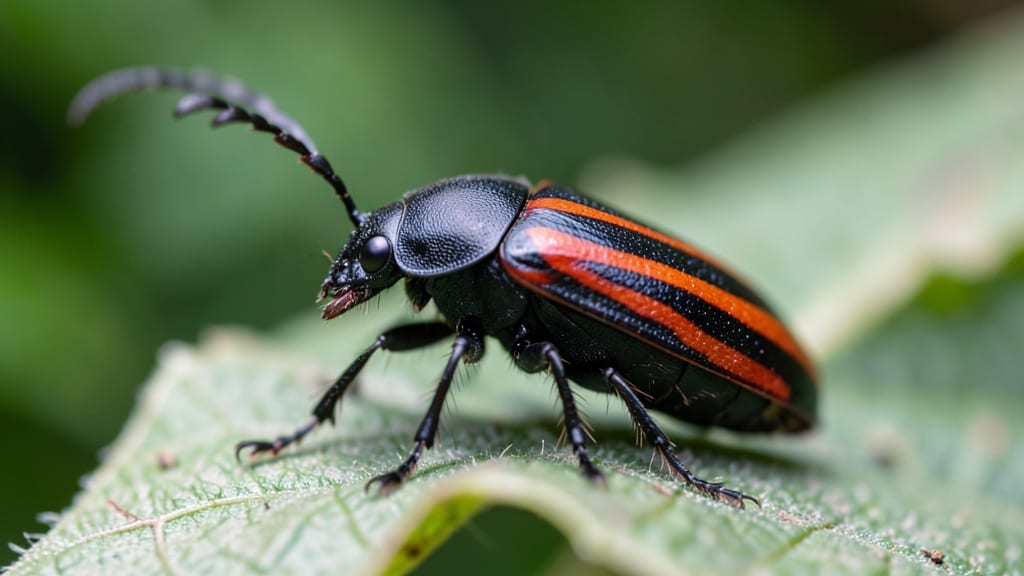
How to get rid of boxelder bugs permanently—this black invasion on your porch can be stopped without harsh chemicals. The good news? A neem oil barrier can starve adults and eggs—permanently—without harming your plants or pets. I’ve tested this method for three seasons now, and my yard stays bug-free while keeping the ecosystem balanced.
Most people grab pesticides first, but that just masks the problem. Neem oil disrupts their life cycle by coating leaves and bark, cutting off food sources for both adults and nymphs.
You’ll need 1 tablespoon of neem oil per quart of water, a spray bottle, and consistent applications every 7–10 days during their active season (spring through fall).
By mid-summer, you’ll notice fewer bugs clustering on walls or trees, and next spring’s hatchlings won’t survive. The key is prevention—seal cracks, remove boxelder trees if possible, and reapply neem oil after rain. It’s a foolproof, chemical-free way to reclaim your outdoor space.
Works for patios, gardens, and even apartment balconies. Here’s the step-by-step breakdown to keep them gone for good—no more squishing or traps that just move the problem elsewhere.
Root Causes Of Boxelder Bugs
Boxelder bugs aren’t just random pests—they’re drawn to your home for specific, science-backed reasons. Understanding these triggers is the first step to breaking their cycle. Here’s why these shiny, red-and-black invaders keep showing up on your walls, windows, and doorframes.
Boxelder bugs (Boisea trivittata) have a host plant relationship with boxelder trees (Acer negundo), as well as maples and ash trees. These trees produce seeds that contain compounds like mucilage, a sticky, nutrient-rich substance that boxelder bugs love to feed on.
When the seeds mature in late summer, the bugs swarm the trees in massive numbers to feast before winter.
- Why it matters: If boxelder, maple, or ash trees grow within 50–100 feet of your home, you’re in their feeding zone.
Once they’ve gorged on seeds, they seek shelter—and your house becomes their winter hideout. - Actionable insight: If you’re dealing with an infestation, check your property for these trees. Removing them (or at least the female-infested ones) can drastically reduce future outbreaks.
Boxelder bugs are cold-sensitive and can’t survive freezing temperatures. Your home offers:
- Warmth (especially sun-facing walls, attics, and garages).
- Cracks and gaps (even tiny ones) to squeeze into.
- A food buffer (if seeds or sap from nearby trees linger on your exterior).
They cluster in large groups (sometimes thousands!) in:
- Attic vents
- Window sills
- Under eaves
- Behind siding or fascia boards
Once inside, they don’t just hide—they multiply. Females lay hundreds of eggs in spring, ensuring next year’s invasion is even worse.
Boxelder bugs follow a predictable life cycle tied to seasons:
| Season | What’s Happening | Why It Brings Them to You |
|---|---|---|
| Spring | Eggs hatch near host trees; nymphs emerge. | Nymphs are highly mobile and may accidentally wander into homes while searching for food. |
| Summer | Adults feed on boxelder seeds; populations explode. | Overcrowding on trees forces them to seek alternate shelter—your home is prime real estate. |
| Fall | Bugs migrate indoors in massive numbers to overwinter. | They cluster in walls to survive winter, emerging in spring to repeat the cycle. |
| Winter | Bugs remain dormant but active (they don’t hibernate—they just slow down). | If they find a warm spot, they’ll stay put, leading to springtime chaos. |
Pro tip: 🌡️ Fall is the worst time—this is when they’re most aggressive about invading. Sealing entry points now can save you months of frustration.
Even if boxelder trees aren’t on your property, other factors can attract them:
- Sap or fruit from nearby trees (like maples or fruit trees) that ooze onto your home.
- Mulch or leaf litter near your foundation, which can trap seeds and provide food.
- Weakened or stressed trees (drought, disease, or poor pruning) that produce more seeds—a buffet for boxelder bugs.
Example: A dying maple tree in your yard might drop thousands of seeds, drawing bugs that then spill over into your house.
Boxelder bugs are tiny but mighty—they can slip through gaps as small as 1/16 of an inch.
Common entry points include: - Damaged or missing caulk around windows/doors. - Gaps in siding, vents, or roof shingles. - Cracks in brick or stucco. - Utility lines (pipes, cables) entering your home.
The bigger the gap, the bigger the problem. A single crack can become a superhighway for thousands of bugs.
Here’s the brutal truth: Boxelder bugs are persistent. If they’ve invaded once, they’ll keep coming back because: 1. They remember your home—they use pheromones and scent trails to find shelter.
- Eggs survive winter—if even a few females lay eggs in your attic or walls, you’ll have a new generation next spring.
- Your home becomes a ‘safe zone’—once they find warmth, they’ll defend their territory aggressively.
Breaking the cycle requires both immediate action (sealing entry points) and long-term prevention (neem oil barriers, tree management).
Boxelder bugs thrive in temperate climates (like much of the U.S. and Canada) where:
- Hot summers allow rapid reproduction.
- Mild winters let them survive indoors.
- Boxelder trees are abundant (they’re common in urban and suburban areas).
If you live in an area with many boxelder trees and warm winters, you’re in the perfect storm for infestations.
Boxelder bugs don’t invade randomly—they’re drawn by food, shelter, and seasonal cues. The good news? Understanding these triggers lets you outsmart them. By removing their food sources, sealing entry points, and disrupting their life cycle (like with neem oil), you can starve them out for good.
Permanent Fixes for Boxelder Bugs
Boxelder bugs are stubborn pests, but with the right strategies, you can eliminate them for good. The key is a multi-layered approach—targeting adults, eggs, and preventing future infestations. Below, we break down the best solutions by cause and provide actionable steps to reclaim your home.
Adult boxelder bugs are the most visible nuisance, clustering on walls, windows, and trees. To stop them:
🍳 Spray Neem Oil Solution (Best for Starvation & Repellency)
Neem oil disrupts their life cycle by starving adults and eggs while acting as a natural repellent.
- Mix: 2 tbsp neem oil + 1 tsp dish soap + 1 gallon water in a spray bottle.
- Apply: Spray directly on bugs, trees, and affected areas (especially cracks, crevices, and window sills).
- Reapply: Every 3–5 days until no more bugs appear.
👨🍳 DIY Insecticide Spray (For Immediate Knockdown)
A stronger spray can quickly reduce populations.
- Mix: 1 cup rubbing alcohol + 1 cup water + 1 tsp liquid dish soap.
- Apply: Spray on bugs and entry points (focus on south/west-facing walls).
- Safety Tip: Wear gloves and avoid spraying near pets or plants.
🥘 Vacuum Them Up (Safe & Effective)
For indoor bugs, vacuuming is the fastest way to remove them.
- Use a shop vac or upright vacuum to suck them up from walls, windows, and baseboards.
- Dispose immediately in a sealed bag outside—do not empty indoors (they’ll crawl back out!).
Boxelder bugs lay eggs in tree bark, mulch, and building cracks. Prevent the next generation with these steps:
🌡️ Scrape Off Egg Masses (Manual Removal)
- Inspect boxelder trees, mulch beds, and siding for brown, flat egg clusters.
- Scrape them off with a plastic scraper or stiff brush and drop them in soapy water (kills eggs instantly).
- When to do it: Late summer to early fall (before eggs hatch in spring).
✨ Apply Horticultural Oil (Kills Eggs & Nymphs)
- Mix 2 tbsp horticultural oil + 1 gallon water and spray on tree trunks, branches, and egg sites.
- Best time: Late summer (after adults die but before eggs hatch).
Prevention is the #1 way to stop boxelder bugs permanently. Inspect and seal:
🔧 Caulk Gaps & Cracks
- Use caulk or expanding foam to seal:
- Window and door frames
- Siding cracks
- Foundation gaps
- Utility lines (pipes, cables) entering the house
🪟 Install Fine Mesh Screens
- Cover vents, chimneys, and attic openings with 16-mesh or finer screens.
- Check for tears and repair as needed.
🌳 Trim Trees Away from Your Home
- Prune boxelder trees so branches are at least 10 feet away from your house.
- Remove dead or weak branches where bugs cluster.
- 🌡️ Monitor with Yellow Sticky Traps – Place them near trees to track activity.
- 🎯 Time Your Sprays Right – Treat in late summer (August–September) when adults are dying but eggs are still vulnerable.
- 🔥 Use Diatomaceous Earth (DE) – Sprinkle food-grade DE around the foundation (kills bugs by dehydrating them).
- ✨ Encourage Natural Predators – Birds like robins and starlings eat boxelder bugs; add birdhouses to your yard.
By combining neem oil treatments, manual removal, sealing entry points, and breaking their life cycle, you can eliminate boxelder bugs permanently—no more unwanted houseguests! 🚫🐜
Frequently asked questions
Why do boxelder bugs keep coming back even after I spray them?
These pests have a predictable life cycle—adults lay hundreds of eggs in cracks and tree bark, and those eggs survive winter. Spraying only kills what you see, not the hidden eggs. For permanent results, combine neem oil treatments (to starve adults and eggs) with sealing entry points and scraping off egg masses in late summer.
Is neem oil safe for pets and plants if I use it around my home?
Yes, when used correctly! Neem oil is pet-safe and plant-friendly (except for sensitive plants like avocados). Just avoid spraying directly on pets or their food bowls. For extra safety, apply it in the evening when pets aren’t roaming outside. Always dilute it properly—2 tbsp neem oil + 1 tsp dish soap per gallon of water.
What’s the best time of year to treat boxelder bugs?
The ideal window is late summer to early fall (August–October). This is when adults are dying off but eggs are still vulnerable. Treat again in early spring (March–April) to catch any surviving bugs before they multiply. Avoid spraying in extreme heat (over 90°F), as it reduces effectiveness.
Can I remove boxelder trees myself, or should I hire a professional?
Small trees (under 20 feet) can be removed with basic tools, but larger ones require professional help for safety. If you DIY, wear protective gear and cut branches in sections. Never burn the wood—boxelder bugs can survive in it! For permanent removal, consider replacing the tree with a non-host plant like oak or pine, which won’t attract them.
Will boxelder bugs bite or harm my home?
They don’t bite humans, but they can stain surfaces with their waste and damage plants by feeding on sap. The real risk is structural damage—their waste can corrode wood and paint over time. The biggest concern is their persistent return, which can lead to costly repairs if entry points aren’t sealed properly.