
Pests
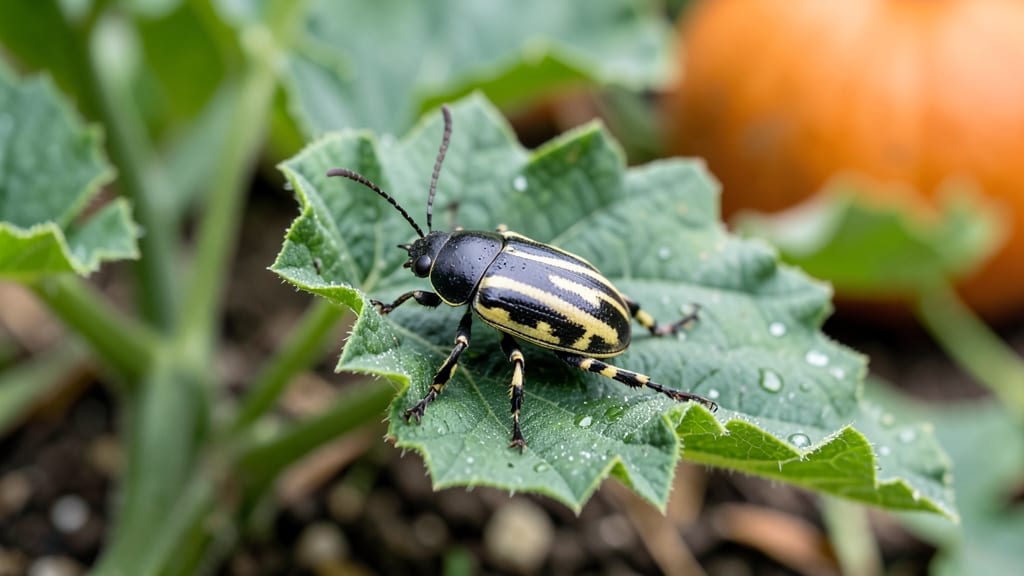
How to get rid of bugs on pumpkin plants can save your harvest before they turn your thriving vine into a skeleton in days. 🌱 I learned the hard way when squash bugs nearly wiped out my 20-foot patch last summer—until I discovered this one-spray solution that works in hours, not weeks. Most gardeners reach for chemical sprays first, but the real secret lies in targeted organic treatments that disrupt pests without harming pollinators. A simple mix of neem oil, dish soap, and water (1 tsp soap + 1 tbsp oil per gallon) smothers soft-bodied bugs like aphids and cucumber beetles on contact. The key is timing: apply it in the early morning when pests are most active. Within 24-48 hours, you’ll see fewer crawlers, and new leaves will emerge clean and unmarked. The spray also prevents future infestations by making plants less appealing to pests—no more hiding in the foliage waiting for an attack. Works for squash bugs, aphids, and beetles alike. Here’s the exact recipe and when to reapply for long-term protection.
Root Causes of Pumpkin Plant Pests
Pumpkin plants are a magnet for bugs—whether it’s voracious caterpillars munching on leaves or sap-sucking insects draining nutrients. But why do these pests target your gourds in the first place? Understanding the why behind the infestation is the first step to stopping it.
Below, we break down the most common reasons your pumpkin plants are under siege, complete with the science behind each culprit.
🌱 Pests thrive where plants are stressed—and nothing stresses pumpkins like being too cozy.
When pumpkin vines grow too close together, airflow is restricted, and humidity rises.
This creates the perfect microclimate for pests like: - Aphids (they love moist, crowded conditions) - Powdery mildew (a fungal issue that weakens plants, making them easier prey) - Spider mites (they flourish in dry, stagnant air—but overcrowding can trap moisture in pockets)
Why it happens: Pumpkins are sprawling plants that need space (at least 3–5 feet between vines). When they’re planted too tightly, the plants compete for nutrients, water, and sunlight, becoming stressed and vulnerable. A stressed plant is like a neon sign for bugs: "Eat me—I’m weak!"
Actionable insight: If your pumpkins are already planted too close, prune excess vines to improve airflow. For future plantings, follow spacing guidelines and consider trellising to elevate vines and reduce ground-level pest access.
🛡️ A healthy plant is less appealing to bugs—but neglect makes your pumpkins a buffet.
Pumpkin plants rely on a strong immune system to fend off pests. When they’re nutrient-deficient, waterlogged, or diseased, they become easy targets.
Common triggers include: - Nitrogen deficiency → Yellowing leaves (a signal to cucumber beetles and squash bugs) - Overwatering → Soft, rotting stems (inviting cutworms and slugs) - Fungal infections (like downy mildew) → Attract whiteflies and aphids that feed on weakened tissue
Why it happens: Bugs don’t just attack randomly—they seek out weak hosts. For example:
- Squash bugs lay eggs on the undersides of leaves, but they only do so if the plant is already struggling.
- Aphids excrete honeydew, which attracts sooty mold, further stressing the plant in a vicious cycle.
Actionable insight:
- Test your soil before planting to ensure proper pH (6.0–6.8) and nutrient balance.
- Water at the base (not overhead) to prevent fungal spores from splashing onto leaves.
- Rotate crops annually to break pest and disease cycles.
🌿 Pumpkin plants don’t grow in isolation—and neither do their pests.
Many bugs that plague pumpkins originate elsewhere in your garden or landscape.
Common sources include: - Weeds (like pigweed and smartweed) harbor cucumber beetles and squash vine borers. - Nearby crops (zucchini, melons, cucumbers) share the same pests. - Wildlife corridors (brush piles, leaf litter) provide shelter for earwigs and slugs.
Why it happens: Pests like squash vine borers (the larvae of a clearwing moth) fly in from wild patches of cucurbits. If your garden is adjacent to a field, forest edge, or even a neighbor’s neglected garden, infestations can explode overnight.
Actionable insight:
- Remove weeds within a 10-foot radius of pumpkin plants.
- Install row covers early in the season to block adult pests before they lay eggs.
- Create barriers with diatomaceous earth or copper tape to deter crawling pests like slugs.
🕰️ Some pests attack pumpkins at specific stages—knowing their schedule helps you stay ahead.
Many garden pests have synchronized life cycles that align with pumpkin growth:
- Early season: Cucumber beetles emerge in spring, drawn to young seedlings.
- Mid-season: Squash bugs and aphids peak when vines are rapidly growing.
- Late season: Squash vine borers (larvae) tunnel into stems just as pumpkins ripen.
Why it happens: Pumpkins are annuals, meaning they go from seedling to harvest in one season—giving pests a limited window to exploit them. For example:
- Aphids multiply exponentially in warm weather (70–80°F), which coincides with peak pumpkin vine growth.
- Squash vine borers time their egg-laying to match when vines are most tender.
Actionable insight:
- Monitor weather forecasts and apply preventative sprays (like neem oil) before pests appear.
- Handpick eggs (especially squash bug eggs) from leaf undersides in the morning.
- Use yellow sticky traps to catch adult cucumber beetles early.
🐞 Nature’s pest control isn’t always present—and that’s why bugs win.
Pumpkin plants rely on natural predators (like ladybugs, lacewings, and parasitic wasps) to keep pest populations in check. But if your garden lacks these helpers, bugs take over unchecked.
Why it happens:
- Monoculture gardening (planting only pumpkins) starves beneficial insects of alternative food sources.
- Pesticide use (even organic sprays) can kill both pests and their predators, disrupting the balance.
- Lack of diversity in your garden means fewer habitats for predator insects.
Actionable insight:
- Plant companion flowers like marigolds, dill, and alyssum to attract ladybugs and lacewings.
- Avoid broad-spectrum sprays—opt for targeted treatments (like insecticidal soap for aphids only).
- Leave some "wild" areas (like a patch of clover) to support predator populations.
Targeted Fixes for Pumpkin Plant Pests
Now that you know what’s munching on your pumpkins, let’s tackle those critters with effective, organic solutions tailored to the problem. Below, we’ve mapped common pests to their fixes—plus prevention tips to keep your vines thriving. No harsh chemicals needed!
🔥 How to Fix:
- Handpick & Crush 👨🍳
- Early morning is prime time—squash bugs hide under leaves. Use a cardboard trap: Place a flimsy board near the plant, weigh it down, and check daily. Bugs will crawl underneath; drown them in soapy water.
- Pro tip: 💡 Wear gloves! Squash bugs release a foul odor when squashed.
- Diatomaceous Earth (DE) Barrier 🏗️
- Sprinkle food-grade DE around the base of plants and on leaf undersides. It’s a natural abrasive that dehydrates bugs in 24–48 hours.
- Reapply after rain—it loses potency when wet.
- Neem Oil Spray 🌿
- Mix 1 tbsp neem oil + 1 tsp mild soap + 1 quart water. Spray evenly on both leaf sides at dusk. Repeat every 5–7 days until bugs vanish.
- Bonus: Neem deters egg-laying too!
✨ Prevention:
- Crop rotation: Avoid planting cucurbits (pumpkins, squash, melons) in the same spot yearly.
- Reflective mulch: Use silver plastic mulch—it confuses bugs and reduces egg-laying.
🍳 How to Fix:
- Blast with Water 💦
- A strong stream from a hose (early morning) knocks aphids off leaves. Repeat 2–3x/week for heavy infestations.
- Insecticidal Soap 🧼
- Spray a homemade mix (2 tbsp castile soap + 1 quart water) directly on pests. Test on a small leaf first—some plants are sensitive!
- For whiteflies: Add 1 tsp vegetable oil to the mix for better adhesion.
- Yellow Sticky Traps 🎯
- Hang yellow cards near plants—whiteflies and aphids are attracted to the color. Replace traps weekly.
🌡️ Prevention:
- Encourage predators: Ladybugs and lacewings love aphids. Plant dill, fennel, or marigolds nearby to attract them.
- Avoid over-fertilizing: Soft, new growth attracts aphids—balance nitrogen with phosphorus/potassium.
🔪 How to Fix:
- Hose Down Plants 🚰
- Spider mites hate humidity. Spray leaves daily for 3 days to disrupt their lifecycle. Focus on undersides where they hide.
- Neem Oil + Kaolin Clay 🏺
- Mix 1 tbsp neem oil + 1 tbsp kaolin clay + 1 quart water. Clay creates a physical barrier that blocks sunlight (mites need it to thrive).
- Spray every 5 days until mites disappear.
- Release Predatory Mites 🕸️
- Buy Phytoseiulus persimilis (beneficial mites) from garden centers. They eat spider mites but won’t harm your pumpkins!
⏰ Prevention:
- Mulch heavily: Keep soil moist to deter mites (they thrive in dry conditions).
- Prune crowded vines: Good airflow = fewer hiding spots.
🥘 How to Fix:
- Beer Traps 🍺
- Bury a plastic cup filled with beer at the base of plants. Beetles crawl in and drown. Refresh every 2–3 days.
- Row Covers 🛡️
- Use floating row covers (lightweight fabric) to block beetles while allowing pollination. Remove when flowers appear.
- Garlic & Chili Spray 🌶️
- Blend 4 garlic cloves + 1 chili pepper + 1 quart water. Strain, add 1 tsp soap, and spray weekly.
🔄 Prevention:
- Rotate planting sites: Beetles overwinter in soil—move pumpkins every year.
- Plant trap crops: Sacrifice a few radish or turnip plants to lure beetles away.
🔥 How to Fix:
- Collar Young Plants 🏗️
- Wrap the stem base with a toilet paper tube or aluminum foil (3 inches tall). Cutworms can’t chew through it!
- Grit or Sawdust 🪓
- Sprinkle coarse sand or sawdust around the base—it irritates their skin and deters feeding.
- Glow Stick Traps ✨
- Cutworms are attracted to light. Place glow sticks near plants at night—they’ll gather and can be picked off.
🌱 Prevention:
- Water in the morning: Wet soil discourages cutworms from surfacing.
- Handpick at night: Use a flashlight to spot and squash them before they strike.
💡 Final Pro Tip: For persistent infestations, combine 2–3 methods (e.g., neem oil + sticky traps + handpicking). Consistency is key—bugs won’t stand a chance! 🚫🐛
Frequently asked questions
Why do pumpkin plants attract so many bugs compared to other vegetables?
Pumpkins are part of the cucurbit family, which produces fragrant flowers and sweet fruits that naturally attract pollinators—and their pests! Their large leaves also provide perfect hiding spots for bugs like squash bugs and aphids. Additionally, pumpkin vines spread widely, creating shaded, humid microclimates that many insects love.
How soon after seeing bugs should I treat my pumpkin plants?
Act immediately when you spot pests! Early intervention prevents infestations from spiraling. For soft-bodied bugs like aphids, treat within 24 hours. For squash bugs or cucumber beetles, start treatment as soon as you see adults or eggs (check leaf undersides). Waiting even 3-4 days can let pests multiply dramatically.
Can I use the same organic spray for all pumpkin plant bugs?
Most organic sprays like neem oil or insecticidal soap work on many common pests, but some bugs need targeted approaches. For example, neem oil works well for aphids and cucumber beetles, but squash vine borers require physical barriers (like collars) since they tunnel into stems. Always check the specific pest's life cycle before choosing a treatment.
Will treating bugs on pumpkin plants affect my harvest?
Not if you use organic methods correctly! Properly applied neem oil, insecticidal soap, or diatomaceous earth won't harm edible parts when used as directed. Always spray in the early morning or evening to avoid harming bees. For heavy infestations, combine treatments (like handpicking + sprays) for best results without compromising your pumpkins.
How often should I reapply organic sprays for pumpkin bugs?
Reapplication frequency depends on the pest and weather. For neem oil or insecticidal soap, spray every 5-7 days during active infestations. After rain, reapply immediately since these treatments wash off. For diatomaceous earth, reapply every 3-5 days or after watering. Always check leaf undersides first to monitor pest activity.