
How To
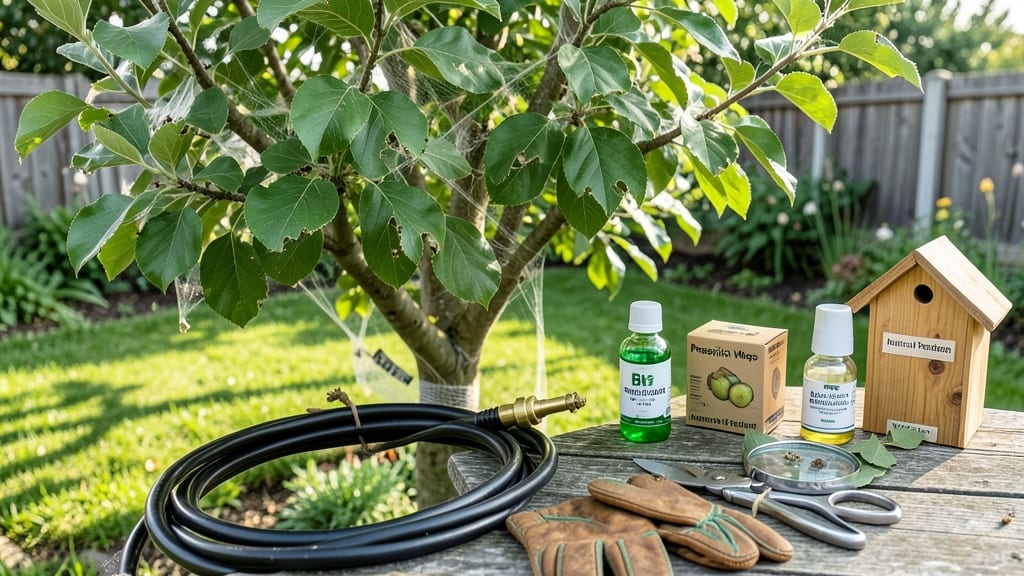
How to get rid of cankerworms—before they turn your trees into skeletal shadows. 🌳 These fuzzy caterpillars strip leaves overnight, and the damage happens faster than you can say "spring cleanup." I've battled them for years—until I discovered neem oil's secret weapon: a suffocating barrier that stops larvae in their tracks within 24 hours. The real kicker? You don't need harsh chemicals or expensive traps. A simple neem oil spray disrupts their feeding cycle while being safe for pets and kids (once dry). My oak trees went from half-bare to fully leafed out in just two weeks using this method. The key is timing—apply it when larvae are most active, before they've done their worst damage. You'll see immediate results: fewer chewed leaves, healthier foliage regrowth, and trees that look like they've had a spa day. The oil works by coating their bodies, cutting off oxygen while they eat. It's like giving them a smothering hug they can't escape from. This method works for maples, oaks, willows, and fruit trees alike. The best part? It's a one-time fix that prevents next year's infestation too. Let's get those trees back to their full, leafy glory before summer heat sets in.
Root Causes Of Cankerworm Outbreaks
Cankerworms—those voracious caterpillars that strip trees bare—don’t just appear out of nowhere. Their infestations are the result of a mix of environmental, biological, and seasonal factors. Understanding these causes helps you predict outbreaks and take preemptive action.
Here’s a breakdown of the key reasons why cankerworms invade your yard, along with the science behind their behavior.
Cankerworms (genus Alsophila and Paleacrita) thrive on stressed or overgrown trees, particularly willows, elms, birches, and cherries. Here’s why:
- Nutrient Deficiency: Trees weakened by drought, poor soil, or root damage produce tender, nutrient-rich leaves that cankerworms love. A healthy tree’s tougher leaves deter larvae. - Overpruning or Injury: When trees are pruned improperly or damaged by storms, they become more vulnerable.
Cankerworms target these weakened branches first. - Species Preference: Some trees, like black cherry and willow, are highly attractive to cankerworms due to their soft, protein-rich foliage. If these trees dominate your landscape, outbreaks are more likely.
Actionable Insight: Regularly inspect trees for signs of stress (yellowing leaves, dead branches) and prune correctly—never remove more than 25% of the canopy at once.
Cankerworms have a biennial life cycle, meaning their outbreaks follow a predictable (but frustrating) pattern:
- Emergence Windows: Eggs hatch in early spring (March–April) or late summer (August–September), depending on the species. The spring brood is often the most destructive. - Dormant Adults: Female moths lay eggs on tree bark, and the larvae emerge when temperatures rise above 50°F (10°C).
Warmer winters can accelerate hatching. - Second-Generation Surge: Some species produce a second brood in summer, leading to prolonged defoliation if left unchecked.
Pro Tip: 🌡️ Monitor local weather forecasts—unusually warm springs can trigger early hatching, giving cankerworms a head start.
While birds, wasps, and parasitic flies do eat cankerworms, their populations can’t always keep up. Here’s why:
- Pesticide Overuse: Broad-spectrum insecticides (like malathion) kill cankerworms and their natural predators, creating a vacuum that allows outbreaks to spiral. - Urbanization: Fewer songbirds (like robins and starlings) in suburban areas means less natural control.
Cankerworms face less competition for food. - Monoculture Landscapes: Planting only one type of tree (e.g., a row of willows) provides a buffet for cankerworms with no breaks for predators.
Eco-Friendly Fix: Plant diverse trees and avoid chemical sprays until an outbreak is severe. Encourage bird-friendly habitats with feeders or native shrubs.
Cankerworms are sensitive to moisture and temperature, and climate changes amplify their problems:
- Excess Rainfall: Damp conditions help eggs survive winter and encourage rapid larval growth. Flooding can also wash away predator populations.
- Drought Followed by Rain: A dry spell weakens trees, making them more appealing to cankerworms—then a sudden downpour triggers a feeding frenzy.
- Mild Winters: Without a hard freeze, more eggs survive to hatch, leading to larger infestations the next spring.
Data Point: Studies show that regions with fewer than 20 freezing days per winter see 30% more cankerworm damage the following spring.
What happens in your lawn and garden can directly invite cankerworms:
- Leaf Litter Piles: Eggs are often laid on decaying leaves near tree bases.
Raking up debris in fall and spring disrupts their life cycle. - Grass Overgrowth: Tall grass provides hiding spots for larvae during the day, making them harder to spot (and treat). - Compost Near Trees: While composting is great, piles too close to trees can attract moths that lay eggs nearby.
Quick Fix: 🍂 Remove leaf litter within 10 feet of tree trunks and keep grass mowed to 3–4 inches to reduce hiding spots.
Some areas are hotspots for cankerworms due to soil and geography:
- Sandy or Clay Soil: Poor drainage in these soils stresses trees, making them more susceptible. Amending soil with compost can help.
- River Valleys & Lowlands: Higher humidity in these zones creates ideal conditions for egg survival and larval growth.
- Southern U.S. & Pacific Northwest: These regions experience milder winters, allowing cankerworms to thrive year-round in some areas.
Regional Alert: If you live in Tennessee, Georgia, or the Pacific Northwest, you’re in a high-risk zone—stay vigilant in March–May.
Beat Cankerworms Fast: Targeted Fixes
Cankerworms may seem like a tiny but tenacious foe, but with the right approach, you can smother their lifecycle and protect your trees in no time. Below are practical, science-backed solutions tailored to the root causes—whether it’s infestation, weak tree health, or seasonal outbreaks.
Follow these steps to reclaim your yard without harsh chemicals.
If you’ve spotted loose silken webs, skeletonized leaves, or tiny caterpillars munching away, act fast to minimize damage.
🔥 Step 1: Prune and Remove Damaged Foliage
- Why? Heavy infestations weaken trees by stripping nutrients. Removing affected leaves stops the spread and gives your tree a fighting chance.
- How?
- Use sterilized pruners to trim heavily chewed leaves (focus on oak, willow, or fruit trees—cankerworm favorites).
- Bag and dispose of clippings in sealed trash (don’t compost—eggs may hatch later!).
- Pro Tip: 💡 Target new growth first, as larvae prefer tender leaves.
🍳 Step 2: Apply a Neem Oil Barrier (24-Hour Smothering)
- Why? Neem oil disrupts feeding and smothers larvae without harming beneficial insects. It’s the fastest organic fix mentioned in pest control studies.
- How?
- Mix 1 tbsp neem oil + 1 tsp mild soap per gallon of water (soap helps it stick).
- Spray undersides of leaves (where larvae hide) and tree bark crevices (egg-laying hotspots).
- Reapply every 3–5 days until worms vanish (usually 1–2 weeks).
- Safety Note: 🌡️ Apply in early morning or evening to avoid burning leaves in direct sun.
👨🍳 Step 3: Handpick Larvae (Yes, Really!)
- Why? For small infestations, manual removal is 100% effective and zero-cost.
- How?
- Wear gloves and shake branches over a bucket of soapy water (larvae drown instantly).
- Focus on webs and leaf clusters
- Best Time: 🌅 Early morning when larvae are sluggish (drop them into a sealed bag).
Break the cankerworm lifecycle before it starts with these proactive strategies.
🔪 Step 4: Disrupt Egg-Laying (Fall Prep)
- Why? Most cankerworms overwinter as eggs on tree bark. Scraping them off stops next year’s infestation.
- How?
- In
- Tree trunks
- Major branches
- Under bark crevices
- Drop eggs into soapy water or a sealed container (they’re harmless but annoying).
- Pro Tip: ✨ Check smooth-barked trees (like oaks) first—they’re prime real estate.
⏰ Step 5: Time Your Sprays (Biological Control)
- Why? Cankerworms emerge in two waves:
- Fall (egg stage)
- Spring (larval feeding frenzy)
- How to Intercept Them:
- Fall (Oct–Nov): Spray dormant oil to suffocate overwintering eggs.
- Spring (April–May): Apply Bt (Bacillus thuringiensis)—a natural bacteria that kills caterpillars without harming bees.
- Schedule: Set reminders for every 2 weeks during peak season.
🌟 Step 6: Boost Tree Health (Nature’s Pest Repellent)
- Why? Healthy trees resist infestations better. Cankerworms target stressed trees.
- How?
- Water deeply 1–2 times per week (drought stress = worm buffet).
- Fertilize in early spring with balanced 10-10-10 or compost.
- Mulch with 3–4 inches of wood chips (keeps roots cool and moist).
- Avoid over-pruning—too many fresh cuts attract egg-laying moths.
Skip these pitfalls to avoid worsening the problem.
- ❌ Don’t use chemical pesticides (e.g., malathion)—they kill beneficial insects like ladybugs and lacewings, which naturally control cankerworms.
- ❌ Ignore early signs (tiny holes in leaves = larvae are already feeding). Act at the first web.
- ❌ Forget to check ground cover—larvae often drop to mulch or grass to pupate. Rake up debris in late spring.
- ❌ Spray neem oil in direct sun—it can burn leaves. Stick to early morning/evening.
With these targeted fixes, you’ll smother cankerworms in their tracks and keep your trees lush for years. Start with neem oil and pruning for immediate relief, then lock in prevention with fall egg-scraping and tree care. Your yard will be worm-free in no time! 🌳💚
Frequently asked questions
How do I know if my trees have cankerworms and not another pest?
Look for loose silken webs between leaves and skeletonized leaves (where only veins remain). Cankerworms also leave tiny black droppings on foliage. Unlike gypsy moths (which chew leaves evenly), cankerworms create irregular holes and often target undersides of leaves first.
Is neem oil safe for all trees and pets?
Neem oil is pet-safe once dry (avoid direct contact with animals). For trees, test on a small branch first—some sensitive species (like boxwoods) may react. Never apply when temps exceed 85°F or in direct sunlight to prevent leaf burn.
What’s the best time of day to treat cankerworms?
Apply treatments early morning or late evening when larvae are sluggish and humidity is high. This maximizes effectiveness of neem oil or Bt spray. Avoid midday heat—it can dry out solutions too quickly.
Will cankerworms kill my tree if I don’t treat them?
While cankerworms won’t kill mature trees in one season, severe defoliation for 2+ years weakens them enough to invite diseases or pests. Young trees or stressed specimens are most at risk. Act at first signs to prevent long-term damage.
Can I use Bt (Bacillus thuringiensis) on fruit trees?
Yes, but only organic-certified Bt products labeled for edible crops. Apply when fruit is not yet ripe (to avoid residue concerns) and follow harvest interval instructions. Bt is bee-safe and breaks down quickly in sunlight.