
Companion Plants
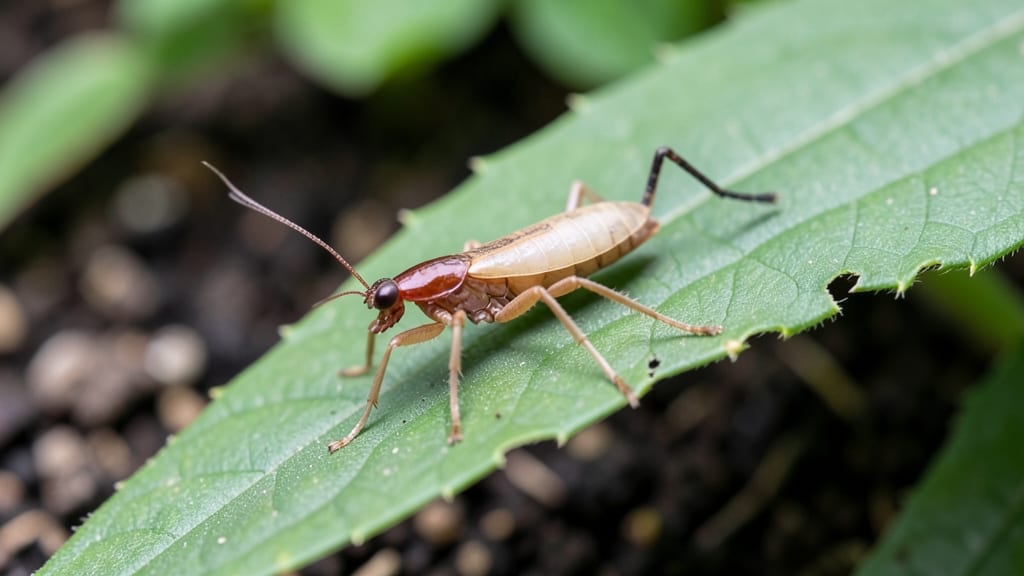
How to get rid of earwigs on plants—those sneaky nocturnal pests leave silvery trails and chewed foliage, but I’ve found the foolproof way to block their eggs and repel adults before they destroy your garden. The key isn’t just trapping them; it’s creating a hostile environment they’ll avoid.
Start with natural barriers: crushed eggshells around plants deter them, while copper tape confuses their antennae. Companion plants like lavender, mint, or tansy mask the scents that attract them. And diatomaceous earth? Sprinkle it lightly—it dehydrates them without harming your plants.
By combining these methods, you’ll see fewer earwigs within 2-3 weeks. Your plants stay lush, and the ecosystem stays balanced—no harsh chemicals needed. The best part? These tricks work for vegetables, flowers, and even houseplants.
Fair warning: Earwigs love moisture, so fix leaks or overwatering first. And check under boards or mulch—they hide there during the day. Once you break their cycle, they’ll move on to easier gardens.
📚 In This Guide
- What you need
- Instructions
- Tips and common mistakes
- Wrapping up and next steps
What you need
- ● Diatomaceous earth (food-grade) – 1–2 pounds (fine powder that dehydrates earwigs)
- ● Copper tape or wire – 1–2 rolls (1-inch width) (creates a natural electric barrier)
- ● Garden hose with a spray nozzle (for applying solutions or rinsing plants)
- ● Neem oil (100% pure, cold-pressed) – 16 oz bottle (natural insect repellent)
- ● Spray bottle (16 oz, with a fine mist nozzle) (for mixing and applying solutions)
- ● Gloves (nitrile or rubber) (protects your hands from powders and oils)
- ● Scissors or pruners (for trimming plants or cutting copper tape)
- ○ Companion plants (optional but effective) – Mint, lavender, tansy, or garlic chives (plant near vulnerable areas)
- ● Garden twine or wire mesh – For creating physical barriers around plant bases
- ● Essential oils (peppermint, eucalyptus, or tea tree) – 5–10 mL each (for DIY repellent sprays)
- ● Soap spray (mild dish soap + water) – 1 tsp soap per 1 quart of water (for quick earwig deterrent)
- ● Flashlight (LED with UV light, if possible) – Helps spot earwigs at night for manual removal
- ● Sticky traps (yellow or blue) – 1–2 traps (monitor earwig activity)
Instructions for creating natural barriers against earwigs
Earwigs thrive in damp, sheltered spots—so we’ll cut off their access with simple, plant-safe methods.
Identify and Seal Entry Points
Earwigs squeeze under mulch, bark, and loose soil. Walk your garden at dusk—this is when they’re most active—and look for dark, moist crevices along plant stems, under pots, and near foundations. Use a flashlight to spot their favorite hiding spots: curled leaves, thick mulch layers, and gaps in hardscaping.
For mulch beds, pull back any thick layers and sift through with gloved hands. Remove debris like fallen leaves or bark that traps moisture. If you see their reddish-brown bodies or shed exoskeletons, mark the area—this is where they’re nesting. Seal gaps in fences, decks, or stone borders with copper mesh or caulk; earwigs avoid metal surfaces.
Install Physical Barriers
Copper tape is your first line of defense. Unroll a 1-inch-wide strip around pot rims, tree trunks, and garden edges. Earwigs dislike copper’s electrical charge and will avoid crossing it. For raised beds, line the inner perimeter with diatomaceous earth (food-grade only)—sprinkle a ¼-inch layer along the soil edge. This abrasive powder dehydrates their exoskeletons without harming plants.
For potted plants, invert pots on a saucer filled with 1 inch of sand. The rough texture and dryness deter earwigs from climbing up. Check weekly for moisture buildup in saucers—earwigs return if water pools. If you have succulents or drought-tolerant plants, skip the sand and use crushed eggshells instead; the sharp edges repel them naturally.
Disrupt Moisture and Shelter
Earwigs need dampness to survive. Reduce overhead watering—switch to drip irrigation or soaker hoses to keep foliage dry. After watering, gently shake plants to dislodge droplets from leaves. For ground covers, rake mulch to a ½-inch depth and fluff it—this removes their hiding spots while improving drainage.
Add gravel or coarse sand around plant bases, especially for perennials and vegetables. The uneven texture blocks their movement and reflects sunlight, drying out their preferred microclimates. Avoid compacting the soil; earwigs tunnel into firm, moist earth. If you have wood chips, replace them with cedar mulch—its natural oils repel pests without chemicals.
Introduce Predatory Allies
Encourage earwig predators like ground beetles, spiders, and birds by planting dill, fennel, or yarrow nearby. These plants attract beneficial insects that feed on earwigs. Avoid broad-spectrum pesticides—even "organic" sprays can harm predators. Instead, handpick earwigs at night using a damp cloth or soapy water in a jar; release them far from your garden to prevent reinfestation.
For stubborn infestations, place beer traps (a shallow dish of beer) near problem areas. Earwigs are attracted to the yeast but drown. Check traps daily and empty them—over time, they’ll lose their effectiveness. Combine this with neem oil spray (1 tsp per quart of water) applied to leaves at dusk. The bitter taste deters them without harming pollinators if used correctly.
Monitor and Maintain Barriers
Inspect barriers weekly, especially after rain. Copper tape may need reapplication if it loosens, and diatomaceous earth loses potency when wet. Reapply a fresh ¼-inch layer after heavy watering. For potted plants, refresh the sand or eggshell layer every 2-3 weeks—decomposed shells lose their sharpness over time.
Keep a garden journal noting earwig activity. If you see clusters of white eggs (laid in soil crevices), treat immediately with beneficial nematodes (Steinernema feltiae), which target earwig larvae. These microscopic worms are harmless to plants and pets but deadly to pests. Apply them in the evening when soil is moist but not soggy for best results.
Tips & tricks for blocking earwigs naturally
These targeted strategies will help you create an earwig-proof garden without chemicals or harsh methods.
Timing is Everything: Earwigs are most active at dusk, so that's the best time to inspect your garden and check for their favorite hiding spots. Use a flashlight to spot their reddish-brown bodies or shed exoskeletons in curled leaves and thick mulch. This is when you'll find their nests and entry points that need sealing. I've found that checking at dusk for just 15 minutes can reveal more problems than a daytime inspection.
Barrier Maintenance Matters: The copper tape and diatomaceous earth barriers need regular attention to stay effective. After heavy rain, reapply that ¼-inch layer of diatomaceous earth—it loses potency when wet. For potted plants, refresh the sand or crushed eggshell layer every 2-3 weeks, as decomposed shells lose their sharp edges. I learned this the hard way after seeing earwigs return to my pots after neglecting maintenance.
Moisture Control is Critical: Earwigs need dampness to survive, so reducing overhead watering is key. Switch to drip irrigation or soaker hoses to keep foliage dry, and always shake plants gently after watering to remove droplets. For ground covers, rake mulch to just ½-inch depth and fluff it—this removes their hiding spots while improving drainage. The difference between a damp garden and one that's earwig-free often comes down to this simple moisture management.
Predator Plant Placement: When planting dill, fennel, or yarrow to attract beneficial predators, position them strategically near problem areas. These plants should be within 3-4 feet of your vulnerable plants for maximum effectiveness. I've noticed that placing them closer to the edges of raised beds creates a natural barrier zone that earwigs avoid crossing to reach your vegetables.
Pro Tips for Get Rid Of Earwigs On Plants
- These targeted strategies will help you create an earwig-proof garden without chemicals or harsh methods.
- Timing is Everything: Earwigs are most active at dusk, so that's the best time to inspect your garden and check for their favorite hiding spots.
- Barrier Maintenance Matters: The copper tape and diatomaceous earth barriers need regular attention to stay effective.
Frequently asked questions
about earwigs on plants—here’s what you need to know to tackle these pests effectively!Are earwigs harmful to my plants?
Most earwigs are not destructive to healthy plants, but they can chew leaves, flowers, and young seedlings—especially in large numbers. They also love damp conditions, so overwatered or mulch-heavy gardens attract them. Focus on prevention (like companion planting) to avoid damage.
How long does it take to see results from natural earwig control?
Results vary! If you’re using barriers (like diatomaceous earth or copper tape), you may see a difference within 1–2 weeks. For companion plants (e.g., garlic, mint, or tansy), it can take 3–4 weeks to establish a strong repellent effect. Consistency is key—reapply treatments as needed.
What’s the best natural earwig repellent if I don’t want to use chemicals?
Try these non-toxic options:
- Diatomaceous earth (DE): Sprinkle food-grade DE around plants—it dehydrates earwigs on contact.
- Copper tape: Wrap it around pots or garden beds; earwigs dislike the metal.
- Essential oils: Mix 1 tsp peppermint or citrus oil with water in a spray bottle and apply to foliage (reapply after rain).
For long-term defense, plant garlic, thyme, or lavender nearby—they naturally repel earwigs.
Why do I keep seeing earwigs even after treating my plants?
Earwigs are persistent! Here’s why they might still appear:
- They’re nocturnal—check plants at dusk or dawn when they’re most active.
- Eggs may still be hiding in mulch, soil, or crevices. Reapply barriers like DE or copper tape.
- Nearby woodpiles or debris could be harboring them. Clear clutter and keep the garden tidy.
For stubborn infestations, combine multiple methods (e.g., companion plants + traps + physical barriers).
Can I use companion plants to repel earwigs in containers?
Even in pots, you can plant garlic, chives, or mint near vulnerable plants (like basil or lettuce). For hanging baskets, try lavender or tansy—their strong scent deters earwigs. Just ensure containers have drainage holes to prevent moisture buildup, which earwigs love.
Wrapping up and next steps
Earwigs may be pesky, but with the right natural barriers—like companion plants, diatomaceous earth, and physical traps—you can keep them from wreaking havoc on your garden. 🌱 The key is acting early, staying consistent, and combining methods for long-term protection. You’ve got this!
Now that you’re armed with solutions, take action today. Start by inspecting your plants and implementing one or two of these strategies. Check back weekly to adjust your approach—your garden (and sanity) will thank you!