
Pests
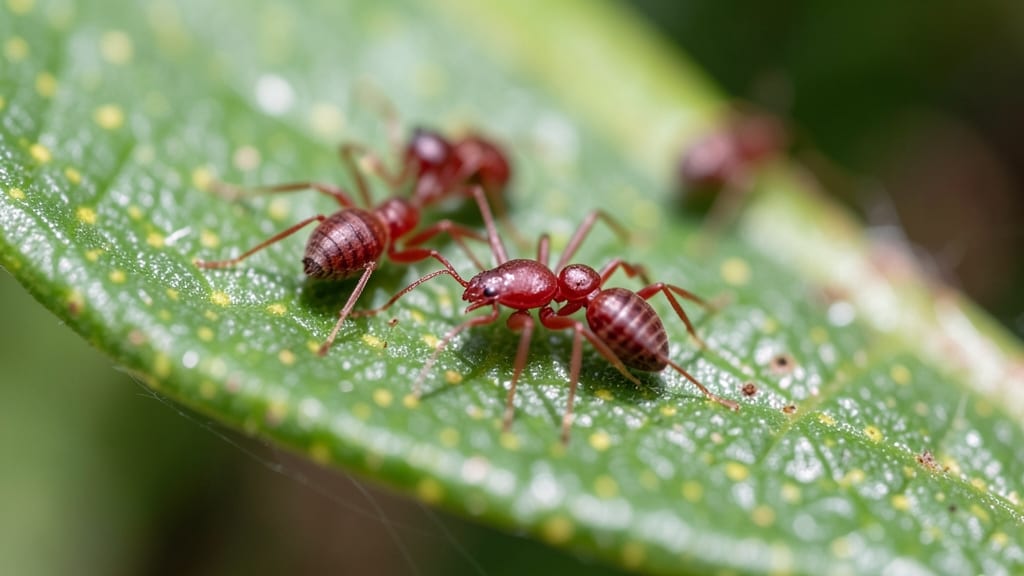
How to get rid of those little red spiders wrecking your plants—I’ve seen them turn lush leaves to skeletonized messes in weeks. 🕷️ The good news? A sticky trap and spray barrier combo stops them dead (literally). This isn’t just about killing mites—it’s about cutting off their escape routes and starving them out before they spread.
Most people panic and grab harsh chemicals first, but that’s overkill. Start with yellow sticky traps near infested plants—they catch mites and help you track progress. Pair that with a neem oil spray barrier every 5 days, and you’ll see new growth within 2 weeks.
The secret? Consistency. One missed spray lets them regroup.
You’ll know it’s working when you stop seeing webbing between leaves and new growth stays bright green, not dusty. The traps will fill up with red dots—proof the population’s crashing. This method works for houseplants, veggie gardens, and even outdoor shrubs.
Prevention is easier than cleanup: knock off mites with a strong water spray weekly and introduce predatory mites (like Phytoseiulus persimilis) for long-term control. No more hiding in soil cracks or spreading to your neighbors’ gardens. Let’s get those plants back to thriving.
Root Causes of Tiny Red Invaders
Those creepy little red spiders—often mistaken for mites or tiny arachnids—aren’t just a random nuisance. They thrive because of specific conditions in your home, and understanding why they show up is the first step to kicking them out for good. Let’s break down the science behind their unwelcome visits.
Tiny red spiders—likely carpet beetles (larvae), clover mites, or bloodsucking mites—love environments that mimic their natural habitats: warm, damp, and cozy. Here’s why:
- Moisture magnet: Humidity above 50% creates the perfect breeding ground. These pests need moisture to survive, so bathrooms, basements, and laundry rooms become prime real estate. 🌧️
- Heat seekers: They thrive in temperatures between 70–85°F. That’s why they flock to sunny windowsills, attics, or near heating vents—places where your home naturally traps warmth.
- Fabric feasts: Natural fibers like cotton, wool, or silk provide both shelter and food (think lint, pet dander, or even human skin cells). If your home has plush rugs, curtains, or upholstered furniture, you’re basically serving them a buffet.
Pro tip: Use a hygrometer to monitor humidity levels—aim for 30–50% to discourage their growth. 💡
These pests aren’t picky eaters—they’ll munch on anything organic, including:
- Pet dander and fur: Carpet beetle larvae, for example, feast on animal fibers and dead skin. If your pets sleep on your bed or couch, you’re giving these critters a five-star hotel.
- Human skin cells: Dust mites and clover mites thrive on the microscopic flakes we shed daily. Mattresses, pillows, and even your favorite hoodie become their all-you-can-eat buffet. 🛏️
- Stored food and pantry staples: Some red mites (like bird mites) will chow down on grains, seeds, or even pet food if left exposed.
- Plants and soil: If you have houseplants, cyclamen mites or spider mites might be hitching a ride in potting soil or mulch.
Actionable fix: Regularly vacuum under furniture, shake out rugs, and store pet food in airtight containers. For plants, quarantine new additions for a few weeks before introducing them to your home. ✨
Not all red spiders are born indoors—they invite themselves in. Here’s how:
- Wildlife stowaways: Birds, rodents, or even outdoor pets (like cats or dogs) can carry bird mites or tropical rat mites into your home. If you’ve noticed an uptick in pests after spotting critters outside, this could be the culprit. 🐦🐀
- Firewood and yard debris: Some mites hitch rides on leaves, mulch, or firewood. Storing these materials away from your home’s foundation reduces the risk.
- Secondhand furniture or fabrics: Thrifted couches, old rugs, or even that "free" armchair from a neighbor might come with a free pest hotel. Always inspect secondhand items thoroughly.
Prevention tip: Create a 3-foot barrier of gravel or wood chips around your home’s perimeter to deter outdoor pests from wandering in. 🏡
Believe it or not, some household products attract these pests:
- Scented detergents and fabric softeners: Strong fragrances can mask natural odors that repel pests, making your laundry or linens smell like an all-you-can-eat buffet. 🧴
- Pet shampoos and grooming products: Some formulations contain ingredients that encourage mites to linger (e.g., certain silicones or oils). Opt for natural, unscented pet care products.
- Stale or dirty laundry piles: Sweat, oils, and bacteria in unwashed clothes create a mite magnet. Always wash bedding in hot water (130°F+) to kill eggs and larvae. 🧺
Quick swap: Use white vinegar in your rinse cycle—its acidity disrupts mites’ life cycles while removing odors naturally. 💡
Now that you know why these tiny red troublemakers move in, the next step is cutting off their supply lines—and we’ve got the strategies to do it. Stay tuned! 🚫🕷️
Quick Fixes for Tiny Red Invaders
If you’ve spotted little red spiders—whether they’re harvestmen (daddy longlegs), carpenter ants, or red velvet mites—don’t panic. These uninvited guests are usually harmless but can be a nuisance. Here’s how to tackle them based on their likely cause, using simple, effective methods.
Harvestmen are common in damp, cluttered areas and don’t bite, but their webby trails can be creepy. Fix it fast:
🔥 Eliminate Moisture & Clutter
- 💡 Check for leaks under sinks, around pipes, or near windows.
Use a towel to dry damp spots. - 🧹 Declutter basements, garages, and storage areas—these pests love hiding in cardboard boxes or piles of fabric. - 🌡️ Use a dehumidifier in damp rooms to make the environment less inviting.
🕸️ Remove Webs & Traps
- 👨🍳 Wipe down cobwebs with a damp cloth or vacuum them up (empty the vacuum outside immediately).
- 🎯 Place sticky traps near entry points (windows, doors, or cracks) to catch stragglers.
✨ Natural Deterrents
- 🌿 Spritz essential oils (peppermint, eucalyptus, or citrus) mixed with water around entry points—harvestmen dislike strong scents.
- 🔪 Seal cracks with caulk to block their access.
These ants can damage wood over time. Stop them before they nest:
🔧 Find & Seal Entry Points
- 🔍 Look for tiny holes in wood (baseboards, window frames, or door frames). Fill gaps with 🔪 silicone caulk.
- 🚪 Install door sweeps to block entry under doors.
🍳 Bait & Trap Them
- 🍫 Use borax or diatomaceous earth mixed with sugar water as bait—place near trails. (Avoid if you have pets/kids!)
- 🕷️ Set sticky traps along walls where you’ve seen activity.
🌡️ Reduce Attractants
- 💧 Fix leaks—ants need water to survive.
- 🍎 Store food in airtight containers and clean spills immediately.
These tiny red mites thrive in warm, undisturbed spaces like 🛋️ furniture, 🛏️ bedding, or 🌿 houseplants. Kick them out for good:
🧼 Wash & Vacuum Infested Areas
- 🧺 Wash bedding, curtains, and upholstery in 🌡️ hot water (130°F+).
- 🧹 Vacuum carpets, furniture, and under furniture legs—empty the vacuum outside to avoid reinfestation.
🔥 Heat Treatment (For Severe Cases)
- 🔥 Mites hate heat! Place infested items (like stuffed animals or shoes) in a 🌡️ dryer on high heat for 30+ minutes.
- ☀️ Sunlight is a natural enemy—leave cushions or rugs in direct sun for a few hours.
🌿 Prevent Future Visits
- 🌱 Reduce humidity with a dehumidifier or 💨 fans in damp areas.
- 🎯 Store clothes and fabrics in sealed bins, not piled loosely.
No matter the culprit, these habits keep red spiders away: ✅ 🕵️ Inspect secondhand furniture or plants before bringing them inside. ✅ 🚿 Clean gutters and downspouts to prevent moisture buildup. ✅ 🌿 Keep outdoor lights off at night—some spiders are attracted to light. ✅ 🔄 Regularly check and maintain 🏠 weather stripping around doors and windows.
Pro Tip: If the problem persists, consider 🎯 professional pest control—especially for wood-damaging ants or severe infestations. Most cases, though, can be handled with 💪 a little elbow grease and smart prevention!
Frequently asked questions
Are these little red spiders dangerous?
Most tiny red spiders—like harvestmen or spider mites—are harmless to humans. They don’t bite or spread diseases, but some (like clover mites) might leave itchy red bumps if they feed on you. The real concern is their damage: mites can weaken plants, while ants or beetles may chew fabrics or wood.
Why do I keep seeing them after treatment?
Red spiders have fast life cycles—eggs hatch in days! If you spot them again, check for hidden breeding spots (like under furniture or in potted plants). Reapply treatments every 5–7 days and seal cracks to block new infestations. Eggs can survive weeks, so persistence is key.
Can I use vinegar to kill them?
White vinegar helps disrupt their life cycles but won’t kill adults directly. Mix equal parts vinegar and water, spray infested areas, and repeat daily for 3 days. For plants, add a drop of dish soap to break surface tension. Best for prevention, not a standalone solution.
How do I know if they’re mites vs. ants vs. beetles?
Mites are tiny (1mm), leave webbing, and cluster on undersides of leaves. Ants form trails and have segmented bodies. Beetles (like carpet beetles) have hard shells and chew fabric. Use a magnifying glass: mites look like red dots, while beetles have visible legs and antennae.
Will sticky traps work for indoor plants?
Yes! Place yellow sticky traps near infested plants to monitor and catch mites. For severe cases, add a neem oil spray (1 tsp per quart of water) every 7 days