
How To
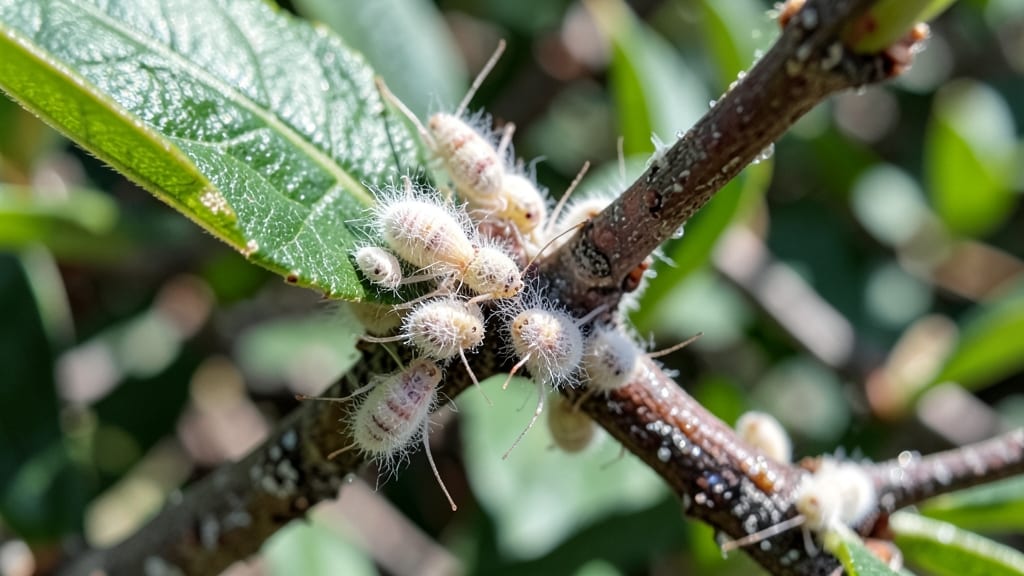
How to control mealybugs on outdoor shrubs—those fluffy pests turn your shrubs into sticky, sad messes. 🌿 I’ve watched these pests drain plants of life, and there’s a foolproof way to starve them out before they take over—neem oil barriers work better than sprays because they smother and repel, not just kill on contact.
The first sign is white cottony clusters on stems or under leaves—ignore them, and your shrubs weaken fast. Neem oil’s active compounds disrupt their life cycle while being safe for bees and birds (just avoid spraying when flowers are open).
You’ll need organic neem oil, water, a spray bottle, and a little patience—results show in 7-10 days if applied correctly.
Your shrubs will bounce back with vibrant green leaves and new growth within weeks. The secret? Reapply every 5-7 days until the infestation disappears, then use it monthly as prevention. This method works on roses, hibiscus, and even citrus trees without harsh chemicals.
Outdoor conditions matter—wind can dilute sprays, so apply in calm weather. For heavy infestations, combine with soapy water wipes to remove visible bugs before the oil treatment. Your garden will thank you.
Why it happens
Mealybugs don’t just appear out of nowhere—they’re drawn to your outdoor shrubs by a mix of environmental factors, plant health, and even human habits. Understanding these triggers is the first step to breaking the cycle. Let’s break down the real reasons these fluffy pests take up residence in your garden.
Mealybugs thrive in cozy conditions—think of them as tiny, sugary-loving vampires who love a warm, sheltered spot with just the right amount of moisture. Here’s why your shrubs might be their perfect hideout:
- Stagnant air: Dense foliage or thick shrubs trap heat and humidity, creating a greenhouse effect. Mealybugs prefer relative humidity above 60%, and shaded, crowded plants provide the ideal environment. 🌿💦
- Poor airflow: Shrubs planted too closely together or with thick canopies restrict airflow. Stagnant air prevents natural predators (like ladybugs or lacewings) from patrolling, giving mealybugs free rein. ⛈️🚫
- Seasonal spikes: Late summer and early fall bring hot, muggy nights, which mealybugs adore. If your region has long, humid summers, expect them to multiply faster. 🌞🌧️
Actionable fix: Prune shrubs to improve airflow, space them out, and avoid overwatering—especially in the evening.
Mealybugs are sap-sucking machines, and certain plants are like all-you-can-eat buffets to them. Here’s why your shrubs might be a mealybug magnet:
- High-sugar plants: Mealybugs love plants with soft, succulent leaves and high sugar content, like:
- Citrus trees 🍊
- Roses 🌹
- Hibiscus 🌸
- Oleander 🌿
- Fruit-bearing shrubs (e.g., blueberries, raspberries) 🍓
- Stressed plants: When shrubs are underwatered, overwatered, or nutrient-deficient, their sap becomes even sweeter—a mealybug’s dream. 💦➡️🍭
- New growth: Tender, young leaves are packed with nutrients, making them a prime target for hungry colonies. 🌱🐛
Actionable fix: Regularly inspect new growth and leaf undersides, and keep plants consistently watered and fertilized to reduce their appeal.
Healthy shrubs have natural defenses—sticky resins, strong cell walls, and beneficial insects that keep pests in check. But when plants are stressed or compromised, mealybugs move in like squatters. Here’s how it happens:
- Fungal or bacterial infections: Plants weakened by powdery mildew, root rot, or bacterial blight produce extra sugars as a survival response—mealybugs detect this and flock to the party. 🍄🚨
- Pesticide damage: Overusing broad-spectrum insecticides (like neonicotinoids) can kill natural predators (e.g., ladybugs, parasitic wasps) while leaving mealybugs unharmed. This creates a pesticide-induced vacuum where pests thrive. 💀🐜
- Compaction or poor soil: Compacted or nutrient-poor soil stresses roots, making plants less resilient to infestations. Mealybugs sense this weakness and exploit it. 🌍🔄
Actionable fix: Improve soil health with compost or mycorrhizal fungi, avoid harsh chemicals, and rotate natural pest controls (like neem oil) to protect beneficial insects.
Sometimes, we’re the reason mealybugs show up. Unintentional actions can introduce or worsen infestations. Here’s how:
- Bringing home hitchhikers: Mealybugs often hide in soil, plant pots, or even grocery store plants. If you’ve recently:
- Repotted a plant 🏺
- Bought a new shrub from a nursery 🌿
- Moved mulch or soil from an infested area 🪴
- They might’ve stowed away.
- Over-fertilizing: Too much nitrogen-rich fertilizer (like blood meal) makes plants soft and sugary, which mealybugs crave. 💪➡️🍬
- Ignoring early signs: Tiny white cottony clusters are often dismissed as “just dust” until the infestation explodes. Mealybugs reproduce asexually, meaning a single female can birth hundreds of live nymphs without a male! 🐣💥
Actionable fix: Quarantine new plants for 2 weeks, inspect soil and pots before gardening, and fertilize moderately to avoid attracting pests.
Now that you know why mealybugs crash your shrub party, the next step is how to kick them out—and keep them from coming back. Stay tuned for natural, neem-based solutions that starve infestations without harming your plants (or your conscience).
How to Treat Mealybug Infestations Naturally
Mealybugs may be stubborn, but with the right approach, you can reclaim your shrubs without harsh chemicals. Below, we’ll match common causes to targeted fixes—plus prevention strategies to keep these pests from returning. Let’s tackle this step by step!
Mealybugs thrive where plants are stressed or shaded. Revitalize your shrubs to make them less inviting:
- 🌱 Prune for airflow: Trim dense branches to improve sunlight and airflow. Aim for open, airy growth—mealybugs hide in tight spots! - 💧 Balance watering: Overwatering weakens roots.
Water deeply but infrequently (1–2 inches per week) and avoid soggy soil. - 🌿 Fertilize smartly: Use a balanced, slow-release fertilizer (like 10-10-10) in early spring. Avoid overfeeding—too much nitrogen attracts pests.
✨ Pro Tip: Mulch with wood chips or straw (not plastic) to retain moisture without smothering roots.
Catch mealybugs early with hands-on control:
- 👨🍳 Wipe them off: Dampen a cotton swab with rubbing alcohol (70% isopropyl) or soapy water, then dab each bug.
Repeat every 3–4 days for 2 weeks. - 🔪 Prune infested areas: Cut off heavily infected stems below the damage and dispose of them in a sealed bag (not compost). - 🕵️♂️ Check undersides: Mealybugs love leaf axils and new growth—inspect closely with a magnifying glass if needed.
💡 Quick Fix: For stubborn clusters, freeze them! Place infested cuttings in a bag and refrigerate for 48 hours to kill eggs and adults.
Neem oil disrupts mealybug life cycles while smothering them with a protective barrier. Here’s how to apply it effectively:
| Step | Action | When to Do It |
|---|---|---|
| 🔥 Mix solution | Combine 1 tbsp neem oil + 1 tsp mild liquid soap + 1 quart water. | Early morning (cooler temps) |
| 🍃 Spray thoroughly | Coat all surfaces (top/bottom of leaves, stems, soil around base). | Every 5–7 days for 3 weeks |
| 🌿 Reapply after rain | Neem washes off—respray within 24 hours if it rains. | As needed |
⚠️ Warning: Avoid spraying direct sunlight (can burn leaves). Test on a small area first!
Introduce beneficial insects that hunt mealybugs:
- 🐞 Lady beetles (ladybugs): Release 5–10 adults per shrub (available at garden centers). They’ll devour mealybugs and eggs! - 🕷️ Parasitic wasps: Tiny Anagyrus wasps lay eggs inside mealybugs.
Order from garden supply stores for targeted control. - 🐸 Encourage birds: Install a bird feeder near shrubs—birds like chickadees snack on mealybugs.
💡 Bonus: Horticultural oil (like dormant oil) works in winter when mealybugs are dormant. Apply before buds swell in late fall.
Stop mealybugs before they start with these low-effort habits:
- 🌿 Inspect new plants: Quarantine new shrubs for 2 weeks before planting.
Isolate and treat if pests are found. - 🧼 Clean tools & pots: Wipe pruners with rubbing alcohol between uses to avoid spreading bugs. - 🌱 Rotate crops: Avoid planting susceptible plants (like hibiscus or citrus) in the same spot yearly. - 🍂 Fall cleanup: Remove dead leaves and debris where mealybugs overwinter.
✨ Golden Rule: Healthy plants = fewer pests. Prioritize soil health, pruning, and sunlight—mealybugs can’t survive on a thriving shrub!
If your shrubs are severely infested (sticky residue, wilting, or widespread bugs), consider:
- 🛠️ Professional pest control: For large landscapes, a systemic insecticide (like imidacloprid) may be needed—use as a last resort.
- 🌿 Replace heavily damaged shrubs: If the plant is beyond saving, remove it to prevent spread.
Remember: Patience is key! Mealybugs can take 4–6 weeks to fully eradicate. Stick with your chosen method, and your shrubs will bounce back pest-free and lush. 🌿💪
Frequently asked questions
How do I know if my shrubs have mealybugs?
Look for white, cottony clusters on stems, leaf undersides, or buds—these are adult mealybugs. Check for sticky residue (honeydew) on leaves below infested areas, which attracts sooty mold. New growth often shows yellowing or curling as the first signs of stress.
Can I use neem oil on flowering shrubs?
Neem oil is safest when applied after flowers fade to avoid harming pollinators. For blooming shrubs, use it in early morning or late evening when bees are less active, and avoid spraying directly on open flowers. Always test a small area first.
Why do mealybugs keep coming back after treatment?
Incomplete coverage or missed hiding spots (like leaf axils) lets survivors repopulate. Reapply treatments every 5-7 days for 3 weeks, and combine with manual removal (cotton swabs + rubbing alcohol) for stubborn cases. Check soil too—eggs hide in mulch.
Are there chemical-free ways to control mealybugs?
Yes! Try kaolin clay (1 tbsp per gallon water) as a barrier, or insecticidal soap (1.5% potassium salts). For heavy infestations, release parasitic wasps (like Anagyrus)—they're natural predators that hunt mealybugs without chemicals.
How long does it take to see results with neem oil?
You'll notice fewer bugs in 7-10 days, but full eradication takes 3-4 weeks of consistent applications. New growth should appear vibrant and healthy within 2-3 weeks if the infestation was caught early. Patience is key—mealybugs have a long life cycle!