
How To
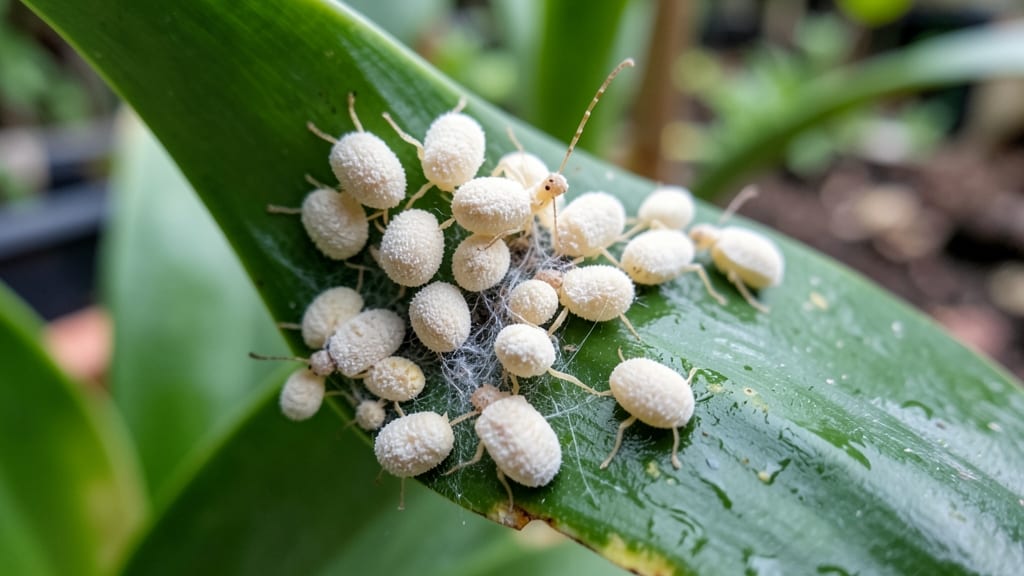
How to get rid of mealybugs on clivia—those cottony blobs are sucking the life out of your gorgeous blooms. 🌿 I’ve battled these pests on my own clivias, and this neem oil soak method wiped them out in just two treatments. The secret? Targeting their weak spots while protecting your plant’s roots.
These pests thrive in dry, dusty conditions, hiding under leaves where sprays miss. Most solutions either fail to reach them or harm your clivia’s delicate foliage. Neem oil disrupts their life cycle without toxic residue, and the soak method ensures even stubborn clusters dissolve.
You’ll see new growth within 2-3 weeks if done right.
What you’ll get is a revived clivia with no sticky residue, no more cottony clusters, and blooms that return stronger than before. The neem oil leaves a faint citrus scent that fades quickly, and your plant stays safe for pets and kids.
This works for both indoor and outdoor clivias, no matter how severe the infestation.
Fair warning: you’ll need to repeat the soak every 5-7 days for stubborn cases, but the first treatment usually knocks out 80% of them. The key is consistency—skip a day, and they’ll stage a comeback. Let’s get those pests gone for good.
Root Causes of Mealybugs on Clivia
Mealybugs may seem like a mysterious nuisance, but their infestation on your Clivia plants is almost always tied to specific environmental or care-related triggers. Understanding these causes is the first step toward preventing—and eliminating—them for good. Let’s break down the science behind why these sap-sucking pests target your beloved houseplant.
Mealybugs thrive in low-humidity conditions because dry air weakens plant defenses and makes them easier to attack. Here’s why:
- Stress Signals: Clivia plants, native to tropical and subtropical regions, rely on consistent moisture in the air.
When humidity drops below 40%, their waxy leaves become less resilient, emitting subtle chemical signals that attract mealybugs (a phenomenon called volatilome disruption). - Reduced Antimicrobial Resins: Low humidity reduces the production of phytoncides—natural antimicrobial compounds in Clivia leaves—making them more susceptible to infestation. - Desiccation Stress: Mealybugs themselves are adapted to arid environments.
If your home’s air is too dry (common in winter due to heating or summer AC use), they’ll prolifically reproduce on your Clivia as a survival strategy.
Actionable Insight: Aim for 50–70% humidity around your Clivia. Use a hygrometer to monitor levels and consider a pebble tray with water or a humidifier near the plant.
Mealybugs are opportunistic feeders—they don’t randomly attack healthy plants. Instead, they target stressed or overcrowded Clivia because:
- Nutrient Competition: When Clivia plants are root-bound or overpotted, their roots struggle to absorb water and nutrients efficiently.
This leads to stunted growth and sugar-rich sap, which mealybugs crave (they’re attracted to phloem sugars in stressed plants). - Reduced Predator Presence: Healthy Clivia often host natural predators like ladybugs, lacewings, or parasitic wasps.
But when plants are weak, these beneficial insects avoid the area, leaving mealybugs unchecked. - Physical Barriers: Overcrowded foliage creates microclimates with high moisture retention—ideal breeding grounds for mealybugs. Their white, waxy coating helps them retain water, so damp, sheltered spots become their hideouts.
Actionable Insight: Repot your Clivia every 2–3 years to prevent root binding, and space plants 6+ inches apart to improve airflow and reduce humidity pockets.
Watering mistakes—both overwatering and underwatering—create the perfect conditions for mealybugs:
| Issue | How It Attracts Mealybugs | Solution |
|---|---|---|
| Overwatering | Soggy soil drowns roots, causing anaerobic stress and fermentation in the soil. This produces ethanol and acetic acid, which mealybugs detect as a "feast signal." | Let the top 1–2 inches of soil dry before watering; use well-draining mix (cactus/succulent blend + perlite). |
| Underwatering | Drought-stressed Clivia overproduce sugars in their leaves to survive, making them sweeter targets for mealybugs. | Water deeply but infrequently (every 7–10 days in summer, less in winter). |
| Hard Water Buildup | Minerals like calcium and magnesium in tap water crust on leaves, creating sticky residues that mealybugs use as a food source and shelter. | Use filtered or rainwater; wipe leaves with a damp cloth monthly. |
Actionable Insight: Bottom-watering (placing the pot in a tray of water for 10–15 minutes) reduces soil-borne mealybug attraction while keeping roots hydrated.
Mealybugs don’t just appear—they hitch rides on: - Infested Pruners or Pots: If you trim your Clivia with unsterilized tools, residual mealybug eggs or adults can transfer to healthy parts of the plant. - New Purchases: Many nursery plants carry hidden infestations.
Mealybugs often cluster in leaf axils (the creases where leaves meet the stem), making them hard to spot during inspection. - Cross-Contamination: Moving mealybugs from other infected houseplants (like succulents or ferns) to your Clivia via gloved hands, trays, or shared spaces.
Actionable Insight: Quarantine new plants for 2–4 weeks, and sterilize tools with 70% isopropyl alcohol before and after use.
Clivia plants experience natural vulnerability cycles, often tied to:
- Spring Flushing: As new leaves emerge, the plant redirects energy to growth, temporarily suppressing defensive compounds like tannins and alkaloids, which repel pests.
- Post-Blooming Fatigue: After flowering, Clivia exhausts energy reserves, making it easier for mealybugs to pierce leaf tissue with their stylets (mouthparts).
- Temperature Fluctuations: Sudden drops (below 60°F) or spikes (above 85°F) shock the plant, triggering stress responses that mealybugs exploit.
Actionable Insight: Fertilize lightly in early spring with a balanced 10-10-10 formula to boost resilience, and avoid drastic temperature changes near your Clivia.
If you’ve recently treated your Clivia with:
- Synthetic Fertilizers: Excess nitrogen or phosphorus can alter leaf chemistry, making sap more appealing to mealybugs.
- Harsh Cleaners: Residues from leaf shine sprays or soaps can disrupt the plant’s cuticle, creating entry points for pests.
- Pesticide Overuse: Some broad-spectrum insecticides kill beneficial insects (like predatory mites) while leaving mealybugs unharmed and unchecked.
Actionable Insight: Switch to organic fertilizers (fish emulsion, worm castings) and rinse leaves with lukewarm water after cleaning to remove residues.
Mealybugs on Clivia aren’t random—they’re a symptom of underlying stress. By addressing humidity, watering, plant health, and hygiene, you’re not just treating an infestation; you’re fortifying your Clivia’s defenses against future attacks.
The good news? Once you identify the root cause, neem oil and targeted care can restore your plant to full, pest-free glory. 🌿✨
Quick Fixes for Mealybug Mayhem
Mealybugs on your clivia can feel like an uphill battle, but with the right approach, you can reclaim those lush, pest-free leaves in no time. The key is to tackle the issue systematically—addressing the root cause while applying targeted treatments.
Below, we break down the most effective solutions based on the why behind the infestation, so you can choose the best fix for your situation.
If your clivia is weakened by poor growing conditions, mealybugs will exploit that vulnerability. Start by giving your plant a health boost before (or while) treating the pests.
🌱 Step 1: Improve Growing Conditions
Mealybugs thrive in dry, dusty, or cramped environments. Reverse these issues with: - 💧 Proper watering: Water deeply but allow the top inch of soil to dry between waterings.
Overwatering weakens roots, making plants more susceptible. - 🌿 Prune for airflow: Trim crowded or dead leaves to improve circulation. Mealybugs love hiding in tight spots! - 🌞 Light & humidity: Place your clivia near bright, indirect light (no harsh sun).
Increase humidity with a pebble tray or occasional misting (avoid wetting leaves).
💡 Pro Tip:
If your clivia is pot-bound, consider repotting into fresh, well-draining soil with perlite or orchid bark. Healthy roots = fewer pest problems!
For mild infestations, skip harsh chemicals and try these plant-safe solutions:
🔪 Neem Oil Soak (The Ultimate Clivia Rescue)
Neem oil is a powerhouse for mealybugs—it smothers adults, disrupts eggs, and deters future pests.
Here’s how to use it effectively:
- 🌿 Mix 1 tsp neem oil + 1 tsp mild soap (like Castile) in 1 quart of water.
- 🥛 Add 1 tsp rubbing alcohol (helps oil stick to pests).
- 🌱 Soak a soft cloth or sponge in the solution, then wipe down every leaf, stem, and crevice where mealybugs hide.
- 🌞 Repeat every 5–7 days for 2–3 weeks (even if you don’t see bugs—eggs may still hatch!).
🍋 Vinegar & Water Spray (Quick Knockdown)
A 1:1 ratio of water and white vinegar (sprayed directly on pests) can kill mealybugs on contact. Just be cautious—avoid spraying flowers (vinegar can damage them).
- 💡 Best for: Outdoor clivias or plants with few flowers.
🌿 Isopropyl Alcohol Wipe (Precision Strike)
For small, stubborn clusters, dab 70% isopropyl alcohol on a cotton swab and scrub mealybugs off one by one. Works fast but requires patience!
If your clivia is covered in cottony white blobs, you’ll need a two-pronged attack: 1. 🪲 Manual Removal First: Use a soft toothbrush or cotton swab dipped in rubbing alcohol to physically scrub off as many bugs as possible.
- 💊 Systemic Treatment: Apply a neem oil soil drench (mix 1 tbsp neem oil + 1 tsp soap in 1 gallon of water, water the plant thoroughly). This kills pests from the inside out.
⚠️ When to Use Pesticides (Last Resort)
If natural methods fail, insecticidal soap or horticultural oil (like Bonide Neem Oil Concentrate) can help. Avoid chemical pesticides—they can harm your clivia’s beneficial microbes.
Once you’ve won the battle, lock in those gains with these long-term strategies:
| Prevention Step | How to Do It |
|---|---|
| 🌿 Regular Inspections | Check undersides of leaves and leaf axils weekly (mealybugs love hiding there!). |
| 🍃 Quarantine New Plants | Keep new clivias separate for 2–4 weeks before introducing them to your collection. |
| 🪴 Clean Growing Area | Wipe down pots, saucers, and shelves with a vinegar-water mix monthly. |
| 🌡️ Encourage Beneficial Bugs | Attract ladybugs or lacewings (natural mealybug predators) with dill or fennel plants nearby. |
🎯 Golden Rule:
Healthy clivia = fewer pests! Focus on proper watering, light, and airflow, and mealybugs will have a much harder time taking hold.
Final Thought: Mealybugs may be sneaky, but with consistent care and targeted treatments, your clivia will bounce back stronger. Start with neem oil soaks, improve growing conditions, and stay vigilant—your plant will thank you with glossy, pest-free foliage in no time!
Frequently asked questions
Why do mealybugs keep coming back after treatment?
Mealybugs often return because their eggs survive most treatments. These pests lay hundreds of eggs hidden in leaf crevices, and neem oil or alcohol sprays may not penetrate deep enough. Repeat treatments every 5-7 days for 3-4 weeks to catch newly hatched bugs. Also check for root infestations—soil drenches with neem oil help prevent underground reinfestations.
Can I use dish soap to kill mealybugs on my clivia?
Yes, but use it carefully! Mix 1 teaspoon mild dish soap (like Castile) with 1 quart of water and spray directly on mealybugs. The soap disrupts their waxy coating, causing dehydration. However, avoid spraying flowers or overusing it—soap can damage leaves if too concentrated. Always test on a small area first.
Will mealybugs spread to my other houseplants?
Absolutely—they hitch rides easily! Mealybugs spread via contaminated tools, hands, or air currents. Immediately isolate your infected clivia and sterilize tools with 70% rubbing alcohol. Check nearby plants for white cottony clusters, especially under leaves. Quarantine new plants for 2-4 weeks before introducing them to your collection.
How do I know if my clivia is severely infested?
Look for these red flags: Sticky residue on leaves (from honeydew), yellowing or curling leaves, and visible white cottony masses in leaf axils or stems. If you see sooty mold (black fungal growth) on leaves, that means the infestation has been feeding for weeks. Severe cases may show stunted growth or leaf drop—act fast with a neem oil soak and manual removal.
Are there any natural predators that can help control mealybugs?
Yes! Introduce ladybugs, lacewings, or parasitic wasps—they devour mealybugs naturally. Place dill or fennel plants nearby to attract these predators. You can also buy beneficial insect eggs from garden centers. Just be patient—it may take 2-3 weeks for their populations to build enough to control the infestation. This works best as a preventive measure alongside other treatments.