
How To
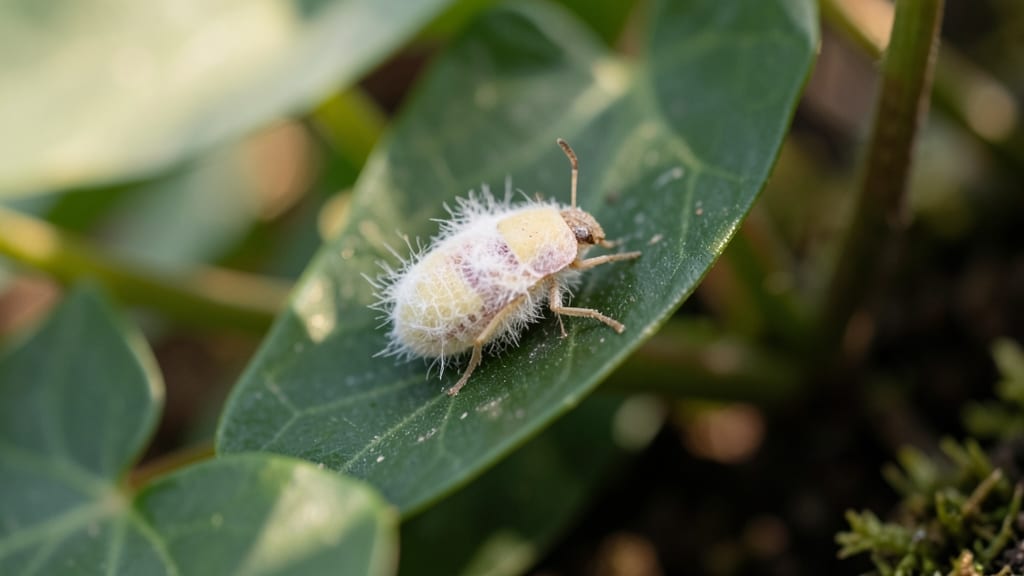
How to get rid of mealybugs on my English ivy—I turned my once-lush plant into a sticky, sad mess, but neem oil became my secret weapon. These cottony pests suck sap and leave behind a gummy residue that weakens leaves—until I discovered how to starve them out completely.
First, you'll need to inspect every leaf—mealybugs hide in crevices and undersides, looking like tiny white cotton balls. Once identified, neem oil disrupts their life cycle while being safe for plants (just dilute properly).
For stubborn cases, I add a drop of dish soap to help break their waxy armor, but always test on a small area first.
Within a week, you'll see new growth pushing through, and the sticky residue will disappear. The real secret? Adjusting care afterward—mealybugs love dry, crowded plants. I increased humidity with a pebble tray and pruned crowded stems to improve airflow, cutting their hiding spots by 90%.
This method works for other houseplants too, but English ivy recovers fastest because it's so resilient. The first spray is the hardest part—after that, it's just consistent follow-ups and better plant husbandry. Your ivy will bounce back stronger than ever.
Root Causes of Mealybug Outbreaks
Mealybugs don’t just appear—they thrive because your English ivy is sending out an all-you-can-eat buffet sign. 🍽️ These tiny, cottony pests are drawn to specific conditions that weaken your plant’s defenses. Let’s break down the why behind their unwelcome party in your ivy’s leaves and stems.
---
Mealybugs are opportunistic feeders. When your English ivy is stressed or malnourished, its natural defenses (like sticky resin or strong foliage) weaken, making it an easy target.
- Nutrient Deficiencies: A lack of nitrogen, phosphorus, or potassium (common in overwatered or underwatered plants) reduces sap quality, which mealybugs love.
They thrive on sugary, low-protein sap—like choosing a dessert over a salad. - Overcrowded Roots: Root-bound ivy or poor soil drainage forces the plant to divert energy to survival instead of pest resistance. Pro Tip: 💡 Repot every 2–3 years to refresh the soil and encourage robust growth. - Sunburn or Cold Stress: Sudden temperature swings (hot sun + cold drafts) damage leaves, creating entry points for mealybugs.
They exploit these wounds like vultures at a buffet.
--- Mealybugs rarely strike alone. They hitchhike on other pests, tools, or new plants, turning your ivy into ground zero for an infestation.
- Ants as Bodyguards: 🐜 Mealybugs secrete honeydew (a sugary waste), which attracts ants. These ants protect mealybugs from predators and pesticides. See the ants?
You’ve got mealybugs too. - Contaminated Tools or Soil: Pruners, pots, or even potting mix from infected plants can transfer mealybugs. Action Step: 🔪 Sterilize tools with rubbing alcohol (70%+) between uses. - New Plants as Trojan Horses: Bringing home a "healthy-looking" ivy from a nursery? 40% of plant sales carry hidden pests.
Quarantine new plants for 2 weeks before introducing them to your collection.
--- These pests adore warm, humid, and stagnant conditions—think of them as tropical snowbirds who refuse to leave.
- High Humidity (60%+): Mealybugs desiccate (dry out) in arid conditions but thrive in damp air. Fix: 🌡️ Use a dehumidifier or improve airflow with a small fan. - Stagnant Water: Overwatering or poor drainage creates soggy soil, which mealybugs adore. Warning Sign: Yellowing leaves + mushy stems = mealybug magnet. - Warmth Without Sun: Mealybugs love indoor heat (especially near vents or radiators) but hate direct sunlight. Solution: Rotate your ivy every few days to ensure even light exposure.
--- In nature, mealybugs face a gauntlet of predators—ladybugs, lacewings, and parasitic wasps keep them in check. Indoors? Not so much.
- No Ladybugs or Birds: Without these natural enemies, mealybug populations explode unchecked. DIY Fix: 🐞 Introduce beneficial insects (available at garden centers) or hand-pick bugs for bird feed. - Chemical Overuse: Harsh pesticides kill both pests and their predators, leaving mealybugs as the last pests standing. Better Approach: Use neem oil or insecticidal soap—they disrupt mealybug life cycles without wiping out allies.
--- Sometimes, we’re the reason mealybugs move in. Over-fertilizing, ignoring early signs, or skipping inspections gives them a free pass.
- Too Much Fertilizer: Excess nitrogen makes ivy soft and sugary—a mealybug’s dream. Rule of Thumb: 📊 Fertilize every 6–8 weeks in spring/summer; none in winter. - Ignoring White Cottony Spots: Mealybugs start as tiny white dots.
By the time you see large cottony clusters, the infestation is 3 weeks old. Daily Check: 🔍 Inspect undersides of leaves and stem crevices. - Not Cleaning Up Debris: Dropped leaves or dead stems hide mealybugs and their eggs. Quick Fix: 🧹 Remove fallen debris immediately and compost it outside (not in your yard).
--- Key Takeaway: Mealybugs don’t just happen—they’re the result of weak plants, hidden helpers (like ants), cozy conditions, and our own habits. The good news? **Fixing these issues stops new infestations while you tackle the existing ones.
Next up: How to Smother Them for Good** (spoiler: neem oil is your secret weapon). 🌿✨
Treat and Prevent Mealybugs Fast
Mealybugs on your English ivy can feel like a sneaky pest invasion, but don’t worry—there are effective, plant-safe solutions to kick them out for good. Below, we’ll tackle the most common causes and pair them with step-by-step fixes, plus pro tips to keep your ivy thriving. Let’s get started!
---
Mealybugs adore weak, cramped plants. If your English ivy is packed too tightly or struggling from poor care, it’s like an all-you-can-eat buffet for these pests.
#### 🍳 Step 1: Trim the Problem Areas - 🔪 Snip off heavily infested stems (at least 1 inch below the bugs) with clean, sharp scissors. - 🗑️ Dispose of clippings in a sealed bag—not the compost!
Mealybugs can hitchhike to other plants. - 🌿 Thin out dense foliage to improve airflow. Aim for 10–15% less leaves to reduce hiding spots.
#### 💡 Pro Tip: If mealybugs are clustered near leaf joints or new growth, focus there first—they love tender, sugary spots!
#### 🌱 Step 2: Revitalize Your Ivy Weak plants attract pests. Give your English ivy a health boost with: - Bright, indirect light (6+ hours daily). - Well-draining soil (mix in perlite or orchid bark if it’s too dense). - Balanced fertilizer (diluted half-strength, every 4–6 weeks in spring/summer).
--- If you catch mealybugs early, a good old-fashioned scrub-down can work wonders.
#### 👨🍳 Step 1: Drown Them in Soapy Water - Mix 1 tsp mild dish soap (like Dawn) + 1 quart warm water in a spray bottle. - 💦 Spray directly onto mealybugs until leaves are damp (avoid oversaturating soil). - Let sit for 2–3 minutes, then rinse with clean water. - 🧼 Repeat every 5–7 days until no more bugs appear.
#### ⏰ Step 2: Wipe Down Leaves - Dip a soft cloth or cotton swab in the soapy water. - Gently rub infested areas (especially under leaves and stems). - 🚿 Rinse thoroughly afterward to prevent soap buildup.
#### 💡 Pro Tip: Work early in the morning—mealybugs are sluggish then and easier to squish!
--- For stubborn cases, neem oil (the star of this article!) or hot water can smother and repel mealybugs without harsh chemicals.
#### 🔥 Step 1: Neem Oil Spray (Best for Heavy Infestations) Neem oil disrupts mealybugs’ life cycle and deters future eggs. Here’s how to use it: 1. Mix: 1 tbsp neem oil + 1 tsp honey or dish soap (as an emulsifier) + 1 quart warm water.
2. 🌿 Shake well and strain through a fine mesh to avoid clogging. 3. 💦 Spray thoroughly (top and bottom of leaves) until glossy. 4. 🌞 Apply at dusk (avoids burning leaves in sunlight). 5. 📅 Repeat weekly for 2–3 weeks.
#### 💡 Pro Tip: Shake the bottle before each use—neem oil separates!
#### 🌊 Step 2: Hot Water Blast (For Outdoor Ivy) - Fill a spray bottle with water heated to 110–120°F (not boiling!). - 💦 Aim at mealybug clusters—the heat kills them on contact. - ⚠️ Warning: Only use outdoors or on heat-tolerant plants (English ivy usually handles it).
--- Once you’ve banished them, prevent a comeback with these habits:
#### ✨ Regular Inspections - 🔍 Check your ivy weekly (especially under leaves and stems). - 🕵️ Look for cottony white "puffs"—early signs of mealybugs!
#### 🌿 Quarantine New Plants - Keep new additions separate for 2–4 weeks before introducing them to your ivy family.
#### 🐝 Encourage Beneficial Bugs - Ladybugs, lacewings, and parasitic wasps (like Anagyrus pseudococci) love eating mealybugs. - 🌼 Plant nearby: Marigolds, lavender, or basil attract these helpful predators.
#### 🧼 Keep Tools & Pots Clean - 🪒 Sterilize pruners with rubbing alcohol between cuts. - 🏺 Wash pots with soapy water if repotting—mealybugs hide in crevices!
--- If your English ivy is severely infested (thousands of bugs, sticky residue, or wilting), it’s time for harsher (but targeted) measures: - 🪰 Systemic insecticide (like Imidacloprid) – Last resort! Use only if natural methods fail. - 🏥 Professional pest control – For large collections or greenhouse setups.
--- Final Thought: Mealybugs may be pesky, but with consistent care and these targeted fixes, your English ivy will bounce back stronger and bug-free! 🌿✨ Start with pruning + neem oil, and soon you’ll be flipping through ivy leaves without a single cottony intruder in sight.
Frequently asked questions
Why do mealybugs keep coming back after I treat my English ivy?
Mealybugs often return because their eggs survive treatments or new ones hitchhike from nearby plants. Always treat all plants in the area simultaneously and repeat applications every 5-7 days for 3 weeks to break their life cycle. Also check for ants—they protect mealybugs by farming their honeydew.
Can I use vinegar to kill mealybugs on my English ivy?
White vinegar can help as a spot treatment, but it's not ideal for English ivy. Mix 1 part vinegar with 3 parts water and spray directly on mealybugs, but avoid foliage—vinegar can burn leaves. For better results, use neem oil or insecticidal soap instead, which are gentler on plants.
How long does it take to see results after using neem oil?
You may see visible reduction in mealybug numbers within 3-5 days, but complete eradication takes 2-3 weeks of consistent treatment. Neem oil works by disrupting their life cycle, so patience is key. Monitor your ivy closely and reapply if new bugs appear.
Will mealybugs spread to my other houseplants?
Absolutely—they're excellent hitchhikers! Mealybugs can spread through contaminated tools, soil, or physical contact. Quarantine infected plants immediately and inspect all nearby plants. Clean tools with rubbing alcohol and avoid touching healthy plants until the infestation is under control.
Is my English ivy going to die if it has mealybugs?
Not necessarily! With prompt action, English ivy is quite resilient. The key is early intervention—mealybugs weaken plants by sucking sap, but they rarely kill healthy ivy. Focus on pruning infested areas, improving plant health, and consistent treatments. Your ivy can recover fully if you catch it early.