
How To
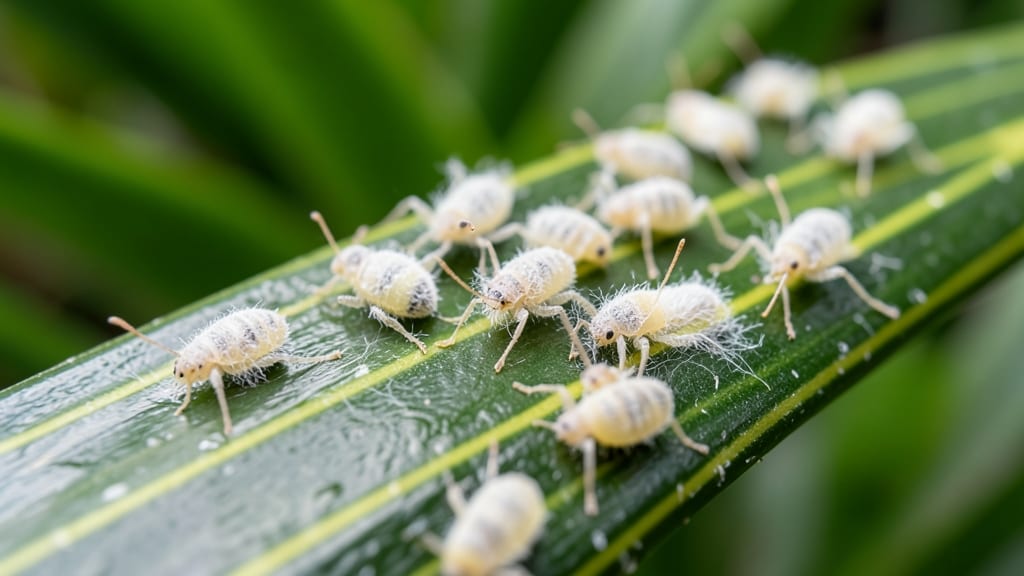
How to get rid of mealybugs on dracaena—those cottony pests are turning your plant into a sticky mess, but a neem oil soak can save it. These sap-sucking invaders hide in leaf creases, leaving behind a residue that stunts growth—until you disrupt their life cycle with a 7-day treatment. Most solutions only target visible bugs, but this method kills every stage, from eggs to adults, without harming your plant. You’ll need 1 tablespoon neem oil, 1 quart water, and a plastic bag for soaking. The process takes just 20 minutes but ensures long-term results by suffocating the pests. After treatment, your dracaena will bounce back with new growth in 2-3 weeks, free from sticky residue or wilting. The secret? Consistency. Repeat the soak every 3-4 days for a full week to break their cycle completely. This works for all dracaena varieties (marginata, fragrans, etc.) and other houseplants too—no harsh chemicals needed.
Root Causes of Mealybug Infestations
Mealybugs don’t just appear out of nowhere on your Dracaena—they’re drawn to specific conditions that make your plant a perfect buffet. Understanding these triggers is the first step to stopping them before they become a full-blown problem.
Let’s break down the science behind why these sap-sucking pests target your houseplant.
Mealybugs are opportunistic pests, and a stressed Dracaena is their golden ticket. When your plant is under duress—whether from environmental factors, poor care, or disease—its natural defenses weaken, making it an easy target. Here’s how stress opens the door:
- Overwatering or Underwatering 💦 - Dracaena thrives in well-draining soil, but soggy roots (from overwatering) or bone-dry soil (from neglect) both trigger stress.
Mealybugs detect the plant’s weakened state through volatile organic compounds (VOCs) emitted during stress, which act like a distress signal. - Actionable clue: Check the soil moisture 1–2 inches deep. If it’s damp but not soggy, you’re likely overwatering. If it’s bone-dry, your plant is parched.
- Nutrient Deficiencies 🌱 - Lack of nitrogen (N), phosphorus (P), or potassium (K) weakens the plant’s cell walls, making it harder to repel pests.
Mealybugs thrive on plants with low chlorophyll levels (a sign of nitrogen deficiency), as these plants produce less saponins—natural compounds that deter insects. - Pro tip: Yellowing leaves or stunted growth?
Test your soil’s pH (ideal: 6.0–7.0 for Dracaena) and amend with a balanced fertilizer (e.g., 10-10-10) every 6–8 weeks.
- Temperature or Humidity Shifts ❄️☀️ - Mealybugs love stable, warm environments (70–85°F) but exploit plants struggling in extreme conditions.
Sudden drops below 55°F or spikes above 90°F shock the plant, reducing its ability to produce resinous exudates—sticky substances that trap pests. - Watch for: Brown leaf tips or wilting after moving your plant near drafts, AC vents, or heaters.
Mealybugs spread like wildfire, and your Dracaena might be a victim of secondary infestation. These pests hitchhike on tools, soil, or even other plants, turning your home into a pest highway.
- Dirty Pots or Tools 🧹 - Mealybugs lay cotton-like eggs in crevices of pots, saucers, or gardening tools.
If you reuse containers without cleaning, you’re essentially giving them a free ride to your Dracaena. - Shocking stat: A single female mealybug can produce 600 eggs in her lifetime—imagine the chaos if they’re already hiding in your tools!
- New Plants Without Quarantine 🌿 - Bringing home a new houseplant without inspecting it first is like rolling out the red carpet for mealybugs.
They often hide in leaf axils (the nooks where leaves meet stems) or under leaves, waiting to jump ship to your Dracaena. - Protocol: Isolate new plants for 2–4 weeks and inspect them under a magnifying glass before introducing them to your collection.
- Infested Soil or Compost 🪴 - Mealybugs can survive in sterile soil for months, waiting for the right host.
If you repot your Dracaena with contaminated soil or use compost from an infected plant, you’re planting the seeds for disaster. - Safe bet: Sterilize soil by baking it at 200°F for 30 minutes or use cocopeat (coconut coir), which is naturally resistant to pests.
Mealybugs aren’t picky eaters, but they have a preference for plants with high sugar content—especially those with soft, new growth. Dracaena fits the bill, thanks to its sap-rich leaves and fast-growing stems.
- High Sugar Content 🍬 - Over-fertilizing (especially with high-nitrogen or phosphorus fertilizers) makes your plant’s sap sweeter, signaling to mealybugs that it’s a prime feeding spot.
These pests use their stylets (tiny mouthparts) to pierce plant cells and suck out phloem sap, which is packed with sugars. - Red flag: Sticky residue (called honeydew) on leaves? That’s mealybugs dining and leaving behind a sugary mess that attracts sooty mold (a black fungal growth).
- Soft, New Growth 🌱 - Mealybugs target tender, young leaves because they’re easier to penetrate. If your Dracaena is producing new shoots, it’s basically wearing a "Free Meal" sign. - Defense tactic: Prune new growth regularly to remove potential mealybug hotspots.
Use sterilized pruners to avoid spreading pests.
- Lack of Natural Predators 🐞 - In nature, mealybugs are kept in check by ladybugs, lacewings, and parasitic wasps. Indoors, without these allies, they multiply unchecked.
If your Dracaena is isolated (e.g., in a closed room), mealybugs have free rein. - Solution: Introduce beneficial insects like Cryptolaemus montrouzieri (mealybug destroyer) or release aphid lions to create a natural balance.
Your living space might be unknowingly creating a mealybug paradise. These pests thrive in low-light, high-humidity conditions—common in bathrooms or kitchens where Dracaena often resides.
- Low Light + High Humidity 🌧️🌑 - Mealybugs prefer shady, damp environments because they lose moisture quickly in dry air.
If your Dracaena is near a shower or sink, the 80%+ humidity is a green light for them to settle in. - Fix: Move your plant to bright, indirect light (e.g., near an east-facing window) and use a dehumidifier if humidity exceeds 60%.
- Poor Air Circulation 🌀 - Stagnant air traps honeydew and mold, creating a sticky trap for mealybugs.
Plants in crowded spaces or behind furniture are at higher risk. - Airflow hack: Place a small fan on low near your Dracaena (but not too close!) to improve circulation without stressing the plant.
- Outdoor Exposure Risks 🏡 - If you’ve had your Dracaena outside (even briefly), it could have picked up mealybugs from nearby trees, garden tools, or other plants.
These pests are masters of short-distance dispersal, crawling up to 10 feet in search of food. - Prevention: Always inspect plants before bringing them indoors and wipe leaves with neem oil as a preventive measure.
Quick Fixes for Mealybug Infestations
Mealybugs on your Dracaena can feel like an uphill battle, but with the right approach, you can reclaim your plant’s health—without losing a single leaf! 🌿 The key is to tackle the problem at its root (literally) by addressing the cause and applying targeted solutions.
Below are practical, step-by-step fixes tailored to common triggers, plus prevention tips to keep your Dracaena thriving long-term.
Mealybugs thrive in hidden, dusty crevices where they feed undisturbed. If your Dracaena’s leaves are packed too closely or coated in dust, it’s an open invitation for these pests.
How to Fix It:
- 🍳 Wipe Down Leaves
- Mix 1 part mild dish soap (like Dawn) with 9 parts water in a spray bottle.
- Gently dab (don’t spray directly) the solution onto a soft cloth or cotton swab.
- Wipe under leaves, along stems, and in leaf axils where mealybugs hide. 🕵️♂️
- Rinse with clean water afterward to avoid soap buildup.
- 👨🍳 Prune Crowded Growth
- If leaves are too dense, trim back overgrown fronds to improve airflow.
- Dispose of clippings in a sealed bag (not your compost!) to prevent reinfestation.
- 🥘 Isolate the Plant
- Move your Dracaena away from other houseplants for 1–2 weeks while treating.
- Check nearby plants for early signs (cottony clusters, sticky residue).
💡 Pro Tip: Use a handheld magnifying glass to spot mealybugs in tight spots—your eyes might miss them!
Mealybugs love stagnant, humid conditions—think bathrooms or kitchens with little ventilation. If your Dracaena is in a steamy corner, it’s a buffet for these pests.
How to Fix It:
- ✨ Increase Air Circulation
- Place a small fan (on low) near the plant to gently stir the air without damaging leaves.
- Avoid direct drafts (like AC vents), which can stress the plant.
- 🎯 Reduce Humidity (If Needed)
- If your home is too humid (e.g., >60%), use a dehumidifier or open windows to improve airflow.
- For Dracaenas, 40–50% humidity is ideal—mist lightly only if the soil is dry.
- 🔥 Quarantine New Plants
- Before adding new houseplants, inspect them under a light for mealybugs or webs.
- Keep them separate for 2 weeks to monitor for pests.
A weak Dracaena (from overwatering, underwatering, or nutrient deficiency) is an easy target for mealybugs. Strengthen its immunity with these steps:
How to Fix It:
- 📊 Check Watering Habits
- Overwatering? Let the top 1–2 inches of soil dry out before watering again.
- Underwatering? Water thoroughly until it drains from the bottom, then empty the saucer.
- Signs of stress: Yellowing leaves, mushy stems, or wilting.
- 💪 Fertilize Smartly
- Use a balanced, water-soluble fertilizer (like 10-10-10) once a month in spring/summer.
- Avoid over-fertilizing—this attracts pests! Dilute to half-strength if your plant looks healthy.
- 🥗 Neem Oil Soak (The Ultimate Reset)
- Mix 1 tsp neem oil + 1 tsp mild soap + 1 quart water in a spray bottle.
- Spray thoroughly (top and bottom of leaves) and let sit for 2 hours before rinsing.
- Repeat every 5–7 days for 2–3 weeks to kill all life stages (eggs, nymphs, adults).
💡 Pro Tip: For severe infestations, do a neem oil soil drench—pour the mixture into the soil to kill hidden pests!
If mealybugs persist after mechanical removal + neem oil, it’s time for stronger action. But use pesticides as a last resort—they can harm beneficial insects and your plant’s health.
How to Fix It:
- 🍳 Insecticidal Soap (Safe & Effective)
- Spray every 5–7 days for 2 weeks (follow label instructions).
- Best for: Light to moderate infestations.
- 🔥 Systemic Insecticides (For Stubborn Cases)
- Imidacloprid (e.g., Bayer Advanced Garden Insect Killer) can be mixed with water and applied to the soil.
- Warning: Only use if mealybugs are severe—this chemical stays in the plant for weeks.
- Alternative: Horticultural oil (like Jardine) smothers pests without harsh chemicals.
- 🚫 Avoid These Mistakes
- Don’t spray in direct sunlight—it can burn leaves.
- Don’t overapply—follow dosage instructions to prevent toxicity.
Once your Dracaena is mealbug-free, take these steps to prevent a comeback:
- 🌡️ Monitor Humidity & Airflow – Aim for 40–50% humidity and gentle airflow.
- 🍳 Regular Leaf Cleaning – Wipe leaves monthly with a damp cloth to remove dust and early pests.
- 🔥 Quarantine New Plants – Always inspect before introducing new greenery to your collection.
- 💡 Introduce Beneficial Insects – Ladybugs or lacewings eat mealybugs naturally (available at garden centers).
- 🥗 Rotate Your Plants – Move them occasionally to prevent pests from setting up camp in one spot.
Final Thought: Mealybugs may be sneaky, but with consistent care, your Dracaena can bounce back stronger than ever. Start with neem oil, cleanup, and environmental tweaks—and watch those pests disappear for good! 🚀
Frequently asked questions about mealybugs on Dracaena
How do I know if my Dracaena has mealybugs?
Look for cotton-like clusters in leaf crevices, under leaves, or along stems—these are adult mealybugs. Check for sticky residue (honeydew) on leaves or near the soil, which attracts ants. Young mealybugs appear as tiny white specks. Use a magnifying glass for hidden spots.
Will neem oil harm my Dracaena?
No, when used correctly, neem oil is safe for Dracaena. Always dilute it with water (1 tsp neem oil + 1 tsp mild soap per quart of water) and avoid spraying in direct sunlight. Test a small leaf area first. Repeat every 5-7 days for 2-3 weeks to break the mealybug life cycle.
Can I use rubbing alcohol to kill mealybugs?
Yes! Dip a cotton swab in 70% isopropyl alcohol and dab directly onto mealybugs. The alcohol kills them instantly, but it can dry out plant tissue if overused. Limit this method to visible pests only—it won’t reach hidden eggs. Follow up with neem oil for complete eradication.
How long until my Dracaena recovers after treatment?
With consistent care, you’ll see improvement in 2-3 weeks. New growth should emerge within 4-6 weeks as the plant recovers from stress. Monitor for honeydew or ants—these indicate remaining pests. Keep humidity at 40-50% and avoid overwatering during recovery.
Should I throw away my Dracaena if mealybugs won’t go away?
Not necessarily! Severe cases may require systemic insecticides (like imidacloprid) as a last resort. First, try soil drench with neem oil and isolate the plant completely. If the infestation persists after 4 weeks of treatment, consider repotting with sterile soil and fresh pots.