
How To
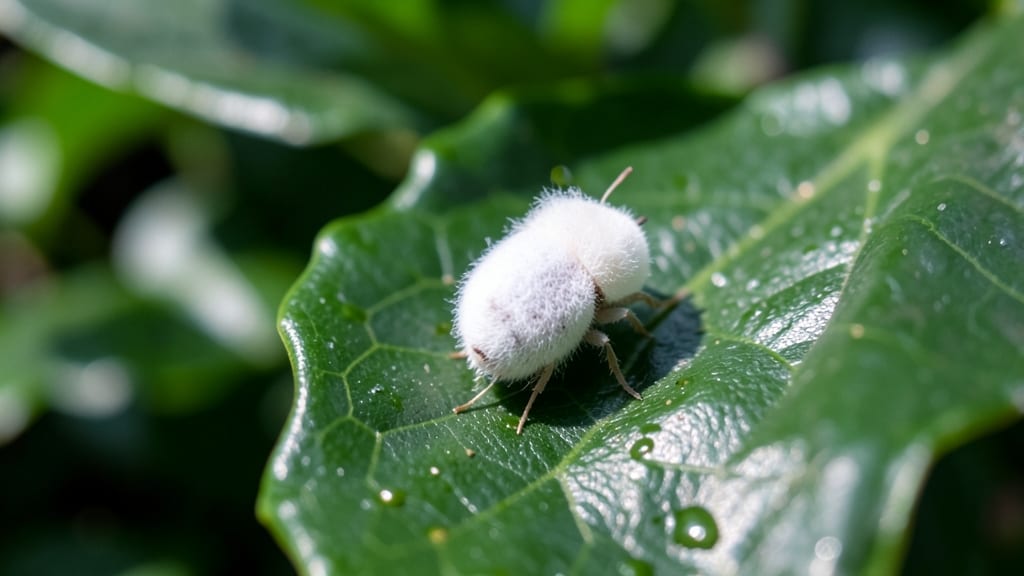
How to get rid of mealybugs on ficus—your once-lush plant can be saved with a simple, natural remedy. The good news? A neem oil spray can smother these pests in days without harming your plant. I’ve battled these cottony invaders for years, and this method works—even on stubborn infestations. First, you’ll need neem oil, water, and a spray bottle. Mix 1 teaspoon of neem oil with 1 quart of water and a dash of mild soap (like Castile) to help it stick. Spray the undersides of leaves—where mealybugs hide—until glistening. Repeat every 3-5 days until they’re gone. The key is patience and thoroughness. Mealybugs multiply fast, so check for survivors after two weeks. If you spot any, treat again. This method doesn’t just kill pests—it strengthens your ficus’s natural defenses. For extra protection, wipe leaves with a soapy cloth weekly. Prevent future outbreaks by isolating new plants and keeping humidity in check. Your ficus will bounce back—lush and pest-free—in no time.
Root Causes of Mealybug Infestations
Mealybugs don’t just appear—they thrive because your ficus plant is sending out an open invitation. These tiny, cottony pests target weak or stressed plants, exploiting environmental and biological vulnerabilities.
Understanding why they show up is the first step to stopping them in their tracks. Let’s break down the science behind their attraction to your ficus.
Mealybugs are sap-sucking insects, and they’re drawn to ficus plants that can’t fight back. When your plant’s natural defenses are compromised, it becomes an easy meal. Here’s how it happens:
- Nutrient Deficiencies: Ficus plants need a balanced diet of nitrogen, phosphorus, and potassium to stay strong. If your soil lacks these (or if over-fertilizing burns roots), the plant’s phytonutrient production drops, making it harder to repel pests.
Mealybugs detect these weakened chemical signals. - Actionable clue: Yellowing leaves or stunted growth? Your ficus might be malnourished.
- Water Stress: Both overwatering (root rot) and underwatering (drought stress) weaken a ficus.
Mealybugs thrive in plants with: - Soft, mushy stems (from overwatering). - Brittle, dry leaves (from underwatering). - Pro tip: Stick your finger in the soil—if the top 2 inches are dry, water; if soggy, hold off.
- Physical Damage: Bruised leaves or broken stems create entry points for mealybugs. Even minor damage from repotting or pruning can attract them, as the plant’s wound-response compounds (like jasmonic acid) can accidentally signal distress to pests.
Mealybugs are opportunistic—they don’t just land on any plant. They’re looking for the perfect microclimate where they can reproduce rapidly. Your ficus might be creating one without you realizing it:
- High Humidity: Mealybugs love 70%+ humidity. If your home has:
- Poor airflow (e.g., cramped spaces, closed rooms).
- Grouped plants without spacing.
- Fix it: Use a fan on low speed or a dehumidifier near your ficus.
- Warmth Without Sunlight: Mealybugs prefer 65–85°F (18–30°C) but avoid direct sunlight (which dries them out). A ficus in a:
- South-facing window (too hot).
- North-facing room (too cool).
- Solution: Rotate your plant for even light exposure and avoid drafts.
- Sticky Residue: Mealybugs are drawn to honeydew—the sugary waste left by other pests (like aphids or scale).
If your ficus already has an infestation, the sticky trails act like a beacon for mealybugs. - Spot it: Wipe leaves with a damp cloth—if you see black sooty mold (a fungus fed by honeydew), you’ve got a secondary problem.
Sometimes, you’re the reason mealybugs move in. Even well-meaning care can accidentally create a pest paradise:
- Overcrowded Plant Shelves: Mealybugs hitchhike on other plants, tools, or even your hands.
If you: - Touch an infested plant, then your ficus. - Use the same shears on multiple plants without cleaning. - Prevent it: Quarantine new plants for 2 weeks and sterilize tools with rubbing alcohol.
- Poor Drainage: Mealybugs love moist, compacted soil because it mimics their natural tropical habitats.
If your ficus sits in: - A pot without drainage holes. - Soil that never dries out (even slightly). - Test it: Lift the pot—if it’s heavy with water, repot with perlite or orchid bark for aeration.
- Chemical Imbalances: Fungicides, harsh soaps, or synthetic fertilizers can disrupt your ficus’s beneficial microbes, weakening its immune system. Mealybugs detect these imbalances and target stressed plants first.
- Swap to: Neem oil (doubles as a pest repellent) or compost tea for a natural boost.
Ficus plants produce volatile organic compounds (VOCs)—chemical signals that can unintentionally lure pests. While these compounds are normal, certain conditions amplify them:
- New Growth: Young, tender leaves and stems are rich in sugars and amino acids, making them a meal bug buffet. Mealybugs prefer new growth over mature leaves.
- Watch for: White, cottony clusters near leaf axils (where leaves meet stems).
- Root Exudates: Healthy roots release organic compounds into the soil that can attract mealybugs if the soil is too rich (e.g., from over-fertilizing).
These pests may even colonize the soil before moving to the plant. - Check: Gently sift through the topsoil—if you see tiny white eggs or bugs, they’ve already set up camp.
- Polluted Air: Believe it or not, household chemicals (like aerosol sprays, cleaning products, or even scented candles) can stress your ficus.
The plant’s oxidative stress response makes it more vulnerable to pests. - Air purify: Open windows occasionally or use an activated charcoal filter near your plants.
Simple Solutions for Mealybug-Free Ficus
Now that you understand why mealybugs invade your ficus, it’s time to take action! These pests are stubborn, but with the right approach, you can restore your plant’s health—without resorting to harsh chemicals.
Below, we’ve mapped out targeted fixes based on the most common causes of infestations, along with prevention tips to keep your ficus thriving long-term.
Before treating, contain the spread to avoid cross-contamination. Move your ficus to a quarantine spot (like a bathroom or garage) away from other plants.
Grab a hand lens or magnifying glass to inspect: - Leaves (especially undersides, stems, and leaf axils—mealybugs love hiding there). - Stems and nodes (check for cottony white clusters or sticky residue). - Soil surface (sometimes eggs or nymphs lurk here).
Pro Tip: 💡 Shine a flashlight at an angle—mealybugs cast shadows, making them easier to spot.
For small infestations, a physical attack can work wonders. Here’s how: 1. Dampen a cotton swab or soft cloth with 70% isopropyl alcohol (or a mix of water and mild soap).
- Gently dab each mealybug—don’t rub, or you’ll spread their sticky honeydew.
- Wipe down stems and leaf axils thoroughly.
- Rinse the plant with water to remove residue.
Warning: ⚠️ Wear gloves—alcohol can irritate skin, and mealybugs secrete a waxy coating that might stain.
If manual removal isn’t enough, neem oil (the star of this article!) is your best friend.
Here’s the foolproof recipe: #### 🌿 Neem Oil Spray (DIY) | Ingredient | Amount | Purpose | |----------------------|--------------------------|--------------------------------------| | Cold-pressed neem oil | 1 tbsp | Smothers pests, disrupts life cycle | | Dish soap (mild) | ½ tsp | Breaks waxy coating | | Water | 1 quart (32 oz) | Carrier liquid | | Optional: Garlic or chili pepper (1 tsp) | Boosts repellent power |
How to Apply:
- Shake well before spraying (neem oil separates).
- **Spray undersides of leaves first—mealybugs hide there!
- Coat stems and leaf joints thoroughly.
- Repeat every 5–7 days** for 2–3 weeks (it takes time to kill eggs).
Pro Tip: 🌡️ Apply in the evening—neem oil can cause leaf burn in direct sunlight.
If the infestation is severe, you may need stronger measures:
- Insecticidal Soap (e.g., Safer® Brand): Spray directly on bugs; repeat weekly.
- Horticultural Oil (like Jardine® or Bonide®): Works like neem but with a different active ingredient.
- Systemic Granules (e.g., Imidacloprid): Mix into soil for long-term protection (use sparingly—only for bad cases).
Caution: ⚠️ Test sprays on a small leaf first—some ficus varieties are sensitive.
Once the bugs are gone, keep them away for good:
- Wipe leaves monthly with a damp cloth to remove dust (less hiding spots = less bugs).
- Avoid overwatering—mealybugs thrive in damp, crowded conditions.
- Quarantine new plants for 2 weeks before introducing them to your collection.
- Encourage natural predators: Ladybugs, lacewings, and parasitic wasps hate mealybugs—let them do the work!
- Prune yellowed or damaged leaves to reduce stress (healthy plants resist pests better).
Pro Tip: ✨ Place a yellow sticky trap near your ficus—mealybugs are attracted to yellow and will get stuck!
- Don’t use bleach or vinegar—they can harm your plant.
- Avoid over-spraying—stick to the infested areas to prevent chemical buildup.
- Don’t ignore honeydew—wipe it off regularly to prevent sooty mold (a black fungus that weakens leaves).
By following these steps, your ficus will bounce back stronger—and with a little vigilance, you’ll keep mealybugs at bay for good. Happy planting! 🌱💚
Frequently asked questions
Why do mealybugs keep coming back even after treatment?
Mealybugs reproduce quickly, and their eggs can survive multiple treatments. Focus on undersides of leaves and leaf axils—these are their favorite hiding spots. Treat every 5-7 days for 3 weeks to break their life cycle, and check the soil surface for hidden eggs.
Can I use vinegar to kill mealybugs on my ficus?
Vinegar can help as a spot treatment, but it’s not the best long-term solution. Mix 1 part white vinegar with 1 part water and spray directly on bugs (avoid leaves). For full coverage, neem oil or insecticidal soap works better. Always test on a small area first—vinegar can burn delicate foliage.
How do I know if my ficus has mealybugs before I see them?
Watch for these early signs: sticky residue on leaves (honeydew), yellowing or curling leaves, or black sooty mold (a fungus fed by mealybug waste). Inspect new growth areas and leaf joints—mealybugs love these spots. A magnifying glass helps spot tiny white clusters before they spread.
Will neem oil harm my ficus if I use too much?
Neem oil is generally safe, but overuse can cause leaf burn or stress. Stick to the 1 tbsp per quart ratio and apply in the evening (avoid direct sunlight). If you notice yellowing or wilting, rinse the plant with water and reduce future applications. Always test on a small leaf first.
Can I save my ficus if mealybugs have already caused leaf damage?
Yes! Prune the damaged leaves immediately to stop the spread, then focus on treatment. Healthy new growth will replace the lost leaves over time. Keep your ficus in bright, indirect light and maintain proper watering (let top 2 inches of soil dry) to help it recover faster.