
How To
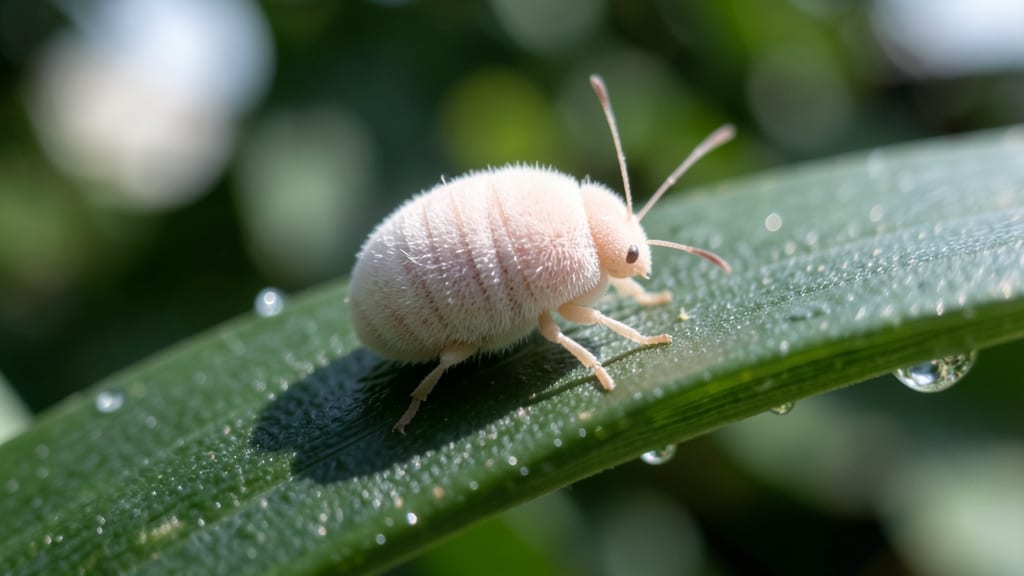
How to get rid of mealybugs on dumb cane—that fluffy white mess is about to disappear. ✨ I’ve battled these pests myself, and the alcohol drench method works faster than anything else—no harsh chemicals needed. In just 10 minutes, you’ll dissolve an infestation that’s been gnawing on your plant for weeks.
The secret lies in rubbing down every leaf and stem with a 70% isopropyl alcohol-soaked cotton swab—it kills mealybugs on contact while being safe for your plant. For stubborn cases, follow up with a neem oil spray to starve any survivors.
Most people quit too soon; I’ll show you how to check for hidden pests so they don’t creep back.
By the end, your dumb cane will look lush and revived, with no sticky residue or new bugs in sight. The best part? This method works on other houseplants too—pothos, ferns, you name it. No more wilting leaves or weakened growth from these sap-sucking pests.
Ready to reclaim your plant’s health? Here’s the step-by-step process that’s saved my dumb canes—and will save yours. No guesswork, just results.
Root Causes of Mealybugs
Mealybugs on your Dracaena marginata (commonly called dumb cane) aren’t just a random nuisance—they’re the result of specific conditions that create the perfect breeding ground. Understanding these causes is the first step to preventing future infestations. Let’s break down the science behind why these tiny pests show up and thrive.
Mealybugs target stressed or weakened plants because they lack the natural defenses to fight off pests. Here’s why your dumb cane might be vulnerable:
- Overwatering or poor drainage: Mealybugs love moisture, and soggy soil creates an ideal environment for them. When roots suffocate from excess water, the plant’s immune system weakens, making it an easy target. Dumb canes are particularly sensitive to root rot, which further stresses the plant and attracts pests.
- Nutrient deficiencies: A lack of essential nutrients (like nitrogen, phosphorus, or potassium) weakens the plant’s ability to produce protective compounds. Mealybugs detect these deficiencies and exploit the plant’s compromised state.
- Environmental stress: Sudden changes in temperature, humidity, or light can shock the plant. For example, moving your dumb cane from a bright window to a dim corner without acclimation stresses it, making it more susceptible to mealybug attacks.
Pro Tip: 💡 Conduct a quick soil check—if the top inch feels damp after watering, you’re likely overwatering. Let the soil dry out between waterings to strengthen your plant’s defenses.
Mealybugs spread rapidly in environments where they can multiply unchecked. Your dumb cane might be a victim of:
- Cross-contamination from other plants: Mealybugs travel via wind, water, or physical contact. If you’ve recently introduced a new plant to the same room—or even touched an infested plant and then your dumb cane—you’ve unknowingly transferred these pests. They’re masters of hitchhiking on tools, pots, or even your hands!
- Poor airflow: Mealybugs thrive in stagnant, humid conditions. If your dumb cane is tucked away in a corner with little ventilation, the lack of airflow traps moisture and creates a cozy haven for them to reproduce.
- Shared growing spaces: Greenhouses, nurseries, or even a crowded windowsill can accelerate mealybug spread. These pests reproduce at alarming rates—a single female can lay up to 600 eggs—so proximity to other plants increases the risk exponentially.
Pro Tip: 🌡️ Isolate new plants for 2–4 weeks before introducing them to your dumb cane’s space. Use a small fan to improve airflow around your plants—it disrupts mealybugs’ ability to cluster.
Mealybugs are drawn to plants that produce honeydew, a sweet, sticky residue they feed on. Here’s how it happens:
- Sap-sucking pests: Mealybugs themselves produce honeydew as waste, but other sap-suckers like aphids or scale insects can also create it. This sticky film attracts more mealybugs—and even ants, which farm these pests for their honeydew.
- High-sugar environments: Plants with high sugar content (often due to over-fertilization or poor water quality) are more appealing. Mealybugs have a sixth sense for sugar, so a nutrient-heavy but water-stressed plant becomes a buffet.
- Honeydew buildup: Once honeydew accumulates, it not only lures more mealybugs but also promotes the growth of sooty mold, a black fungal infection that further weakens your dumb cane.
Pro Tip: ✨ Wipe down leaves with a 70% isopropyl alcohol solution (1 part alcohol to 1 part water) to remove honeydew and deter mealybugs. This also doubles as a quick treatment!
Mealybugs don’t just appear—they’re drawn to specific conditions that mimic their natural tropical habitats. Your dumb cane might be providing:
| Factor | Why It Attracts Mealybugs | Optimal Range for Dumb Cane |
|---|---|---|
| Humidity | Mealybugs thrive in 60–80% humidity. If your home or office is too dry (<30%), they may not survive—but if it’s consistently damp, they multiply rapidly. | 40–60% humidity (use a hygrometer to monitor). |
| Temperature | They love warmth (70–85°F). Cooler temps slow them down, but sudden heat spikes (like near a heater) can stress your plant and make it more vulnerable. | 65–75°F (avoid drafts or direct heat sources). |
| Light Exposure | Low light weakens plants, making them easier targets. Mealybugs also hide in undersides of leaves where light doesn’t reach. | Bright, indirect light (east or north-facing windows). |
Pro Tip: 🎯 Use a dehumidifier in damp areas or a pebble tray with water (not touching the pot) to maintain balanced humidity. Avoid placing your dumb cane near vents or radiators.
Quick Fixes for Mealybug Mayhem
Mealybugs may be tiny, but they pack a punch—leaving your dumb cane sticky, weak, and struggling to thrive. The good news? You don’t need a PhD in pest control to tackle them.
Below, we break down targeted solutions based on the root cause of your infestation, from mild cases to full-blown outbreaks. Plus, we’ll share prevention tips to keep these pests from crashing your plant party again.
Mealybugs love weak, crowded plants where they can hide and feed undetected. If your dumb cane is already struggling (think yellowing leaves, slow growth, or root-bound pots), it’s a mealybug magnet.
🍳 Step 1: Quarantine the Problem
- Move your infested dumb cane at least 3 feet away from other plants. Mealybugs spread via crawling or hitchhiking on tools, soil, or even your hands.
- Check nearby plants too—early detection saves your garden!
👨🍳 Step 2: Prune the Damage
- Snip off heavily infested leaves or stems with clean, sharp scissors. Drop them in a sealed plastic bag (not the compost bin!) to prevent escapees.
- Focus on leaf axils (where leaves meet stems) and the undersides of leaves—mealybugs’ favorite hiding spots.
🥘 Step 3: Boost Plant Health
- Repot if roots are circling the pot (root-bound = stress = mealybug buffet). Use fresh, well-draining soil.
- Fertilize lightly with a balanced, water-soluble fertilizer (half-strength) to strengthen its defenses.
- Increase humidity (mealybugs hate it!). Mist leaves or use a pebble tray with water.
✨ Pro Tip: After pruning, wipe down leaves with a damp cloth to remove residual honeydew (their sticky waste) and prevent sooty mold.
If your dumb cane is covered in cottony white blobs, you’re in the “nuke ‘em” zone. Time for direct action—but choose your weapon wisely.
💦 Option 1: Alcohol Drench (Your Secret Weapon) (Yes, the same trick from the title—it works like magic!)
- Mix: 1 part rubbing alcohol (70% isopropyl) + 3 parts water in a spray bottle.
- Apply: Spray directly onto mealybugs (they’ll dissolve in seconds!).
Focus on: - Leaf undersides - Stem crevices - New growth areas - Repeat: Every 3–4 days until no signs remain. Alcohol evaporates quickly, so reapply as needed.
⚠️ Safety Note: Test on a small leaf first—some plants (like succulents) can get alcohol burn. Dumb canes are tough, but proceed with caution!
🌿 Option 2: Neem Oil Soak (Organic Powerhouse)
- Mix: 1 tsp neem oil + 1 tsp mild soap (like Castile) + 1 quart water. Shake well.
- Soak: Place your dumb cane in a bucket of this solution for 10–15 minutes (cover roots if repotting).
Mealybugs suffocate and die. - Rinse: Thoroughly wash the plant with clean water to remove residue. - Repeat: Weekly for 2–3 weeks to break their life cycle.
💡 Pro Tip: Add 1 tbsp of neem oil to the soil after treatment—it deters future pests!
🐝 Option 3: Beneficial Insects (Nature’s Cleanup Crew) - Ladybugs, lacewings, or cryptolaemus beetles devour mealybugs like popcorn.
Buy them online or from garden centers. - Release them in the evening (they’re sensitive to sunlight) and provide water sources (like a shallow dish with pebbles). - Wait 1–2 weeks—they’ll handle the rest!
An ounce of prevention is worth a pound of cure. Here’s how to lock the door after the infestation is gone:
- 🌡️ Maintain Ideal Conditions
- Mealybugs hate humidity—keep your dumb cane’s environment above 50% humidity (use a humidifier or group plants together).
- Avoid overwatering—soggy soil attracts pests. Let the top inch dry out between waterings.
- 🎯 Inspect Regularly
- Check new plants before bringing them home (quarantine for 2 weeks).
- Flip leaves weekly—mealybugs start small and hide well.
- 🧼 Sanitize Your Tools & Hands
- Wipe pruners, pots, and trays with 70% alcohol after each use.
- Wash your hands before and after handling plants.
- 🌱 Strengthen Your Dumb Cane
- Rotate leaves toward sunlight for even growth (weak spots = pest targets).
- Feed lightly—over-fertilizing stresses plants, making them vulnerable.
| Action | Timeframe | Expected Result |
|---|---|---|
| Isolation + pruning | Immediate | Stops spread, reduces population |
| Alcohol/neem treatment | 3–7 days | Visible decline in mealybugs |
| Beneficial insects | 1–2 weeks | Natural eradication (if released early) |
| Prevention measures | Ongoing | Long-term mealybug-free plant |
Final Thought: Mealybugs are a nuisance, but with targeted attacks and smart prevention, your dumb cane will bounce back stronger. Start with isolation and alcohol drenches, then double down on prevention. Your plant (and sanity) will thank you! 🌿✨
Frequently asked questions
How do I know if my dumb cane has mealybugs?
Look for cotton-like white clusters in leaf axils, under leaves, or along stems. Check for sticky honeydew on leaves (a sign of active feeding) and black sooty mold if the infestation is severe. Early signs include yellowing leaves or slow growth—mealybugs weaken plants by sucking sap.
Will alcohol really kill mealybugs instantly?
Yes! A 70% isopropyl alcohol solution dissolves mealybugs on contact. Simply dab them with a cotton swab soaked in alcohol—they’ll die within seconds. For heavy infestations, spray a 1:3 alcohol-to-water mix directly on pests. Just avoid over-saturating leaves to prevent damage.
How often should I treat my dumb cane after using alcohol?
Reapply every 3–4 days for 2 weeks to break the mealybug life cycle. Adults die quickly, but eggs may still hatch. After that, monitor weekly. If new pests appear, extend treatment or switch to neem oil for residual protection.
Can I use neem oil if I already used alcohol?
Neem oil works differently—it disrupts mealybug hormones and repels future pests. After alcohol treatment, wait 24 hours for the alcohol to fully evaporate, then apply neem oil weekly. This combo ensures both immediate and long-term control.
What should I do if mealybugs keep coming back?
Check for hidden pests by flipping leaves and inspecting crevices with a magnifying glass. Improve plant health by repotting (if root-bound), adjusting watering, and increasing airflow. Quarantine new plants for 2 weeks and sanitize tools with alcohol to prevent reinfestation.