
How To
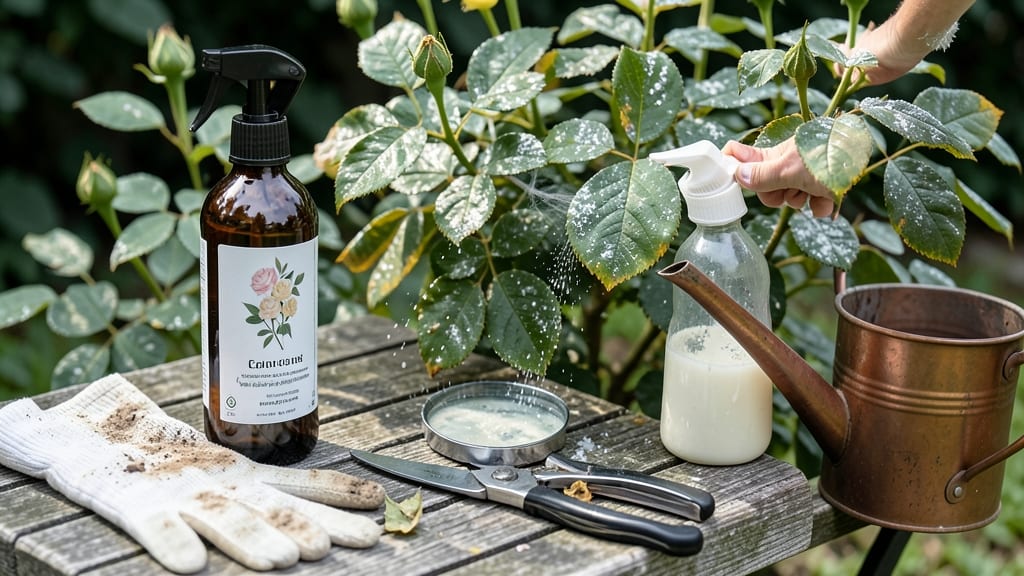
That white dust on leaves isn’t dirt—it’s powdery mildew, and how to get rid of it on leaves spreads fast. 🌿 I’ve battled this fungal foe for years, and I’ve learned the one spray that turns crispy, sad leaves back to vibrant green in just days. No harsh chemicals needed.
The secret? A mix of baking soda, dish soap, and water that disrupts the mildew’s life cycle while being safe for your plants. You’ll need a spray bottle, a few household ingredients, and about 15 minutes to transform your struggling garden.
The key is getting it on the undersides of leaves—where mildew loves to hide.
Within 3-5 days, you’ll see new growth pushing through, leaves unfurling clean, and that powdery film disappearing. The best part? This spray also prevents future outbreaks by creating an unfriendly environment for the fungus. No more wilting, sad-looking plants.
Works for roses, tomatoes, squash, and even houseplants—just adjust the concentration for sensitive varieties. Here’s exactly how to mix it and apply it for maximum results.
Root Causes of Leaf Fungus
Powdery mildew isn’t just a random annoyance—it’s a fungal infection with specific triggers. Understanding these causes is the first step to preventing and treating it effectively. Below, we break down the biological, environmental, and plant-related factors that turn your lush green leaves into a white, dusty mess.
Fungi like powdery mildew thrive in stagnant air because spores need stillness to land and infect leaves. When air can’t move freely around your plants, humidity lingers, creating the perfect breeding ground. This is especially common in:
- Crowded gardens or containers – Plants too close together trap moisture and spores.
- Tightly packed indoor plants – Poor ventilation in homes or greenhouses accelerates fungal growth.
- Thick foliage with overlapping leaves – Dense canopies block airflow, keeping surfaces damp.
💡 Pro Tip: Prune plants to improve airflow, and avoid overwatering to prevent excess moisture buildup.
Powdery mildew loves water—not just in the soil, but on leaf surfaces. When leaves stay wet for prolonged periods, fungal spores germinate and spread rapidly. Key culprits include:
- Overhead watering – Sprinklers or watering from above leave droplets on leaves, creating a fungal feast.
- High humidity without airflow – Greenhouses, bathrooms, or kitchens with poor ventilation trap moisture.
- Morning dew or evening watering – Leaves that dry slowly overnight stay damp longer, encouraging infection.
Why it matters: Fungal spores need 6–12 hours of leaf wetness to infect. Reducing leaf moisture is one of the fastest ways to stop an outbreak.
Powdery mildew isn’t a fan of extremes—it flourishes in moderate, cozy conditions. The fungus grows best when:
| Factor | Optimal Range for Mildew | Why It Helps |
|---|---|---|
| Temperature | 60–80°F (15–27°C) | Warmer temps speed up fungal metabolism, while cooler temps slow it down. |
| Humidity | 70–90% | High humidity keeps leaves damp longer, allowing spores to germinate. |
| Nighttime temps | 50–60°F (10–15°C) | Cool nights with warm days create the perfect "sweaty" leaf environment. |
🌡️ Key Insight: If your garden or home stays in this range for days, mildew will spread like wildfire. Use fans, dehumidifiers, or shade cloth to disrupt these conditions.
Healthy plants resist infections, but when they’re stressed, their defenses drop. Powdery mildew often targets plants that are:
- Nutrient-deficient – Lack of nitrogen, phosphorus, or potassium weakens cell walls, making them easier to penetrate.
- Over-fertilized – Too much fertilizer (especially nitrogen) promotes soft, succulent growth that fungi love.
- Drought-stressed – While dryness can slow mildew, sudden watering after drought shock stresses plants, making them vulnerable.
- Newly planted or recovering – Young plants or those recovering from damage have thinner cuticles, an easy entry point for spores.
Science Note: Powdery mildew secretes enzymes that break down plant cell walls, giving it a foothold. Stressed plants can’t fight back as effectively.
Powdery mildew doesn’t appear out of nowhere—it spreads via spores that can travel surprisingly far. Sources include:
- Nearby infected plants – Wind or water can carry spores from one plant to another within hours.
- Contaminated tools or hands – Pruners, gloves, or even your shoes can transfer spores between plants.
- Old plant debris or soil – Spores can survive in soil or fallen leaves for years, waiting for the right conditions to reactivate.
- Wild hosts – Weeds or wild plants in your garden may harbor mildew and infect your crops.
⚠️ Warning: Some plants (like Cucurbits or Rosaceae families) are highly susceptible and can act as "magnets" for spores, spreading mildew to other species.
Quick Fixes for Powdery Mildew
Powdery mildew may feel like a stubborn foe, but with the right approach, you can banish it fast and protect your plants for good. Below are targeted solutions based on the most common causes—whether it’s humidity, poor airflow, or weak plant health.
Each fix is designed to be easy, effective, and natural, so you can restore your leaves without harsh chemicals.
Cause: Stagnant air and high humidity trap spores, letting mildew spread like wildfire.
How to Fix It: ✅ Prune aggressively – Remove at least 20-30% of dense foliage to improve airflow. Focus on inner leaves where spores hide. ✅ Space plants 12–18 inches apart (or more for large plants) to let air circulate freely. ✅ Thin out vines (like roses or cucumbers) to prevent them from touching each other.
💡 Pro Tip: If you’re growing in containers, space pots 6–12 inches apart and avoid placing them in shady, damp corners.
Cause: Excess moisture—from watering too much, poor drainage, or soggy soil—creates the perfect mildew buffet.
How to Fix It: ✅ Water at the base, not the leaves – Use a soaker hose or drip irrigation to avoid wetting foliage. ✅ Water early in the day (before 10 AM) so leaves dry quickly in sunlight. ✅ Improve drainage – If pots don’t have drainage holes, add perlite or sand to soil. For garden beds, raise soil mounds slightly. ✅ Use a dehumidifier in greenhouses or basements where humidity stays above 70%.
🌡️ Quick Test: If condensation forms on leaves in the morning, your humidity is too high—fix it fast!
Cause: Existing mildew needs immediate action to stop its spread before it chokes your plants.
How to Fix It:
🔥 DIY Baking Soda Spray (Best for Mild Cases)
Ingredients:
- 1 tsp baking soda
- 1 quart water
- ½ tsp dish soap (like Dawn)
Steps:
- Mix ingredients in a spray bottle.
- Spray undersides of leaves (where spores hide) until glistening wet.
- Reapply every 7–10 days until mildew disappears.
✨ Why It Works: Baking soda raises the pH, making it unfriendly for fungal spores.
🍳 Neem Oil Solution (For Stubborn Cases)
Ingredients:
- 1 tbsp neem oil
- 1 tsp honey or molasses (sticky trap for spores)
- 1 quart water
- ½ tsp dish soap
Steps:
- Shake well (neem oil separates).
- Spray in the evening (avoid direct sun—it can burn leaves).
- Reapply every 5–7 days until mildew is gone.
🔪 Caution: Test on one leaf first—some plants (like citrus) are sensitive.
🥘 Hydrogen Peroxide Spray (Fast-Kill Fungicide)
Ingredients:
- 1 tbsp 3% hydrogen peroxide
- 1 quart water
Steps:
- Mix and spray directly on mildew (it bubbles and kills spores on contact).
- Use every 3–4 days until leaves are clean.
💡 Pro Tip: Rotate sprays (e.g., baking soda one week, neem oil the next) to prevent resistance.
Cause: Weak, nutrient-deficient plants can’t fight mildew—they’re like an open invitation.
How to Fix It: ✅ Fertilize with compost or balanced organic fertilizer (like 10-10-10) to boost plant immunity. ✅ Add mulch (2–3 inches) to retain moisture in soil (not leaves) and regulate temperature. ✅ Choose resistant varieties – Some plants (like powdery mildew-resistant roses or squash) naturally fight it better.
🎯 Prevention Power Move: Feed plants with seaweed extract—it enhances natural defenses against fungi.
Once mildew is gone, keep it away for good with these habits:
- Clean up debris (fallen leaves, old mulch) weekly—they’re mildew hiding spots.
- Avoid overhead watering—always water at the soil level.
- Space plants properly—never let leaves touch.
- Prune for airflow—trim at least twice a season.
- Monitor humidity—keep it below 60% when possible.
Final Thought: Powdery mildew may seem scary, but with quick action + prevention, your plants will bounce back faster than you think! 🚀 Start with one fix today—your leaves will thank you.
Frequently asked questions
How do I know if it's powdery mildew or just dust on my leaves?
Powdery mildew looks like a white, powdery coating that often starts on the undersides of leaves. Unlike dust, it won't wipe off easily—try rubbing a leaf gently with your finger. If it leaves a white film behind, it's mildew. Also check for yellowing or distorted growth, which are common with fungal infections.
Will pruning infected leaves help stop the spread?
Removing heavily infected leaves reduces spores in your garden. Use clean pruners and dispose of clippings in the trash (not compost)—they can still harbor spores. Focus on inner leaves and crowded areas where airflow is poor, as these are mildew hotspots.
Can I use vinegar to treat powdery mildew?
White vinegar can help as a natural fungicide, but use it carefully. Mix 1 part vinegar with 3 parts water and 1 tsp dish soap, then spray on leaves. Test on a small area first—vinegar can burn sensitive plants or alter soil pH over time. Reapply every 5-7 days until mildew clears.
How long does it take to see results from homemade sprays?
With consistent treatment, you should notice improvement in 3-5 days. The baking soda spray works fastest for mild cases, while neem oil may take 1-2 weeks for stubborn infections. Keep applying until all signs disappear—stopping too soon lets spores return. Combine sprays with better airflow for best results.
What should I do if my houseplants keep getting powdery mildew?
Indoor plants need extra care—start by increasing airflow with a small fan (run it 24/7 near plants). Wipe leaves regularly with a damp cloth to remove spores, and avoid overwatering. Try the hydrogen peroxide spray (1 tbsp per quart water) every 7 days—it's safe for most houseplants and dries quickly.