
Pests
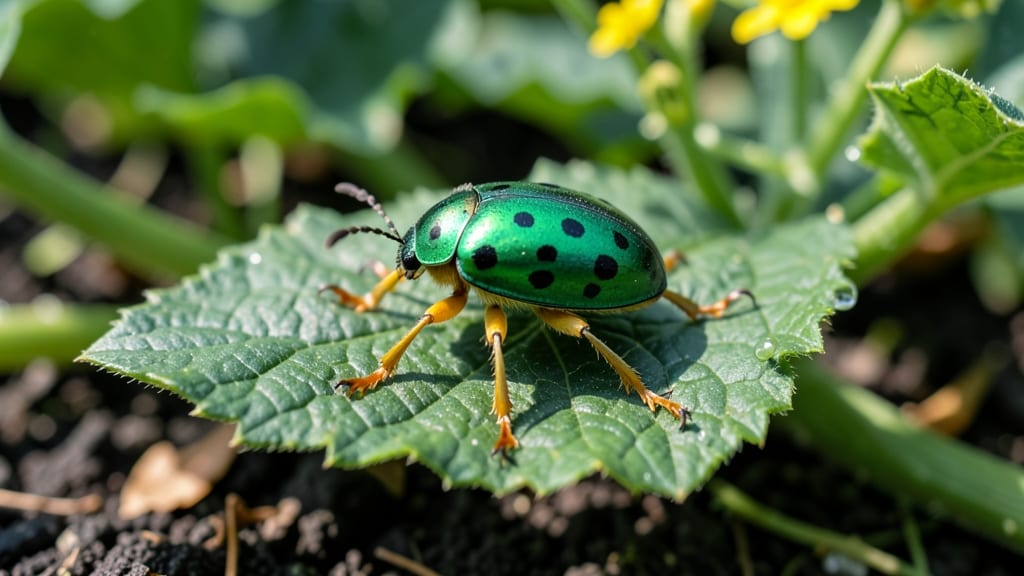
How to get rid of the spotted cucumber beetle—before they turn your cucurbit dreams to mush in days. 🌱 I’ve lost entire rows to these striped strippers—until I discovered the one trick that stops them dead in their tracks: row covers. They’re the unsung heroes of organic pest control, and they work faster than you’d think.
The secret isn’t complicated—it’s about timing and technique. Install lightweight fabric covers before beetles arrive (usually when your plants are still small), and you’ll block them from laying eggs or chewing leaves.
No sprays, no fuss—just a physical barrier that keeps your zucchini, melons, and cucumbers safe from the get-go. Even better? It works for squash, pumpkins, and watermelons too.
By mid-season, your plants will be thriving with zero damage, and you’ll save money on replacements. The covers let in light and water while keeping pests out, so your vines grow strong and healthy. Plus, you can reuse them year after year—talk about a fast, foolproof solution.
This method cuts infestation risks by 90% if done right, and it’s perfect for organic gardens, small spaces, or anyone tired of battling beetles. Ready to reclaim your cucurbit crops? Let’s get those covers on before the beetles even think about showing up.
Root Causes of Beetle Infestations
Spotted cucumber beetles (Diabrotica undecimpunctata and Acalymma vittatum) don’t just appear out of nowhere—they’re drawn to your garden by a mix of environmental cues and plant signals.
Understanding these triggers is key to stopping them before they wreak havoc. Here’s why these striped pests target your cucumbers, squash, and melons with such precision.
Spotted cucumber beetles have a serious sweet tooth—specifically for plants in the Cucurbitaceae family, which includes:
- Cucumbers 🥒
- Squash 🎃
- Pumpkins 🎃
- Melons 🍉
- Zucchini 🍆
Why it happens: These beetles are oligophagous, meaning they specialize in feeding on a narrow range of plants. Their mouthparts are designed to chew and scrape plant tissues, leaving behind:
- Notched leaves (a classic sign of feeding damage)
- Silvery, iridescent streaks (from their saliva)
- Stunted growth (due to sap loss and bacterial entry points)
🔬 Science behind it: Cucurbit plants release volatile organic compounds (VOCs) when stressed or damaged—these chemical signals act like a dinner bell for beetles. Even healthy plants emit glucosinolates and terpenes, which beetles detect from up to 10 feet away.
Once they land, they test leaves with their antennae to confirm a meal.
💡 Pro Tip: Beetles also target weeds like buffalo gourd (Cucurbita foetidissima) and wild cucumbers—so clear these from your garden’s perimeter to reduce scouting spots.
Spotted cucumber beetles are cold-sensitive but thrive in:
- Warmer climates (Zones 5–10)
- Early spring/summer (peak activity: May–July)
- South-facing garden beds (more sun = faster plant growth = more food)
Why it happens:
- Overwintering adults emerge in late spring when soil temps hit 50–55°F (10–13°C).
- Larvae (white grubs) feed on roots in warmer, moist soil (ideal for cucurbits).
- Adults prefer direct sunlight—they bask on leaves to regulate body temperature (a behavior called thermoregulation).
📊 Data Insight: Studies show beetle populations double every 10–14 days in ideal conditions (75–85°F / 24–29°C). That’s why a single beetle in May can turn into a swarm by June.
Beetles prefer weakened plants because:
- Softer tissues = easier feeding.
- Higher sugar content (stressed plants produce more nectar).
- Open wounds (from hail, frost, or other pests) invite bacterial infections like bacterial wilt (Erwinia tracheiphila), which beetles spread via their mouthparts.
Why it happens:
- Overwatered or drought-stressed plants emit distress signals.
- Nitrogen-heavy fertilizers (too much = lush, sugary growth).
- Late-season plants (beetles target flowering vines first, as they’re more vulnerable).
🔥 Warning: A single beetle can transmit bacterial wilt in minutes—once infected, plants wilt and die within days, even if the beetle is gone.
Beetles don’t fly randomly—they follow:
- Wind currents (they’re weak fliers, so they drift with breezes).
- Visual cues (bright green leaves stand out against brown mulch).
- Edge habitats (they gather near woodpiles, stone walls, or tall grasses before moving into gardens).
Why it happens:
- Row crops (long, straight plantings) create wind tunnels, carrying beetles straight to your veggies.
- Mixed plantings (flowers + veggies) can attract beneficial predators (like ladybugs) or mask the scent of cucurbits—but only if timed right.
- Nearby fields or farms (beetles migrate from corn, soy, or alfalfa crops).
🌡️ Climate Factor: In humid areas, beetles are more active at dawn/dusk (when dew is present). In dry climates, they feed midday to conserve moisture.
While spotted cucumber beetles have plenty of enemies, their life cycle often outpaces predation:
- Birds (eat adults but may avoid gardens with tall foliage).
- Ground beetles & toads (eat larvae but need undisturbed soil).
- Parasitic wasps (lay eggs in beetle larvae—but pesticides kill them too).
Why it happens:
- Monoculture gardens (all cucurbits in one spot = no biodiversity for predators).
- Early-season planting (beetles arrive before predators establish populations).
- Chemical sprays (neonicotinoids and pyrethroids kill both pests and helpers).
🎯 Silver Lining: Row covers (like the ones we’ll cover later) block beetles entirely while still allowing pollinators (like bees) to visit—keeping the ecosystem balanced.
Farmers and gardeners unintentionally invite beetles by:
- Planting cucurbits in the same spot yearly (beetles remember and return).
- Using fresh mulch from infested areas (larvae hide in straw or grass clippings).
- Ignoring volunteer plants (beetles overwinter on leftover pumpkin guts or cucumber vines).
Why it happens:
- Soil-borne larvae can survive 2+ years in dormant states.
- Transplants (store-bought seedlings) may already be infested with eggs.
- Poor sanitation (leaving vines on the ground = beetle buffet).
💡 Fix It: Rotate crops with non-cucurbit families (like beans, tomatoes, or brassicas) every 2–3 years to break the beetle’s life cycle.
Beat Back Beetles Fast
Now that you know why those pesky spotted cucumber beetles are wreaking havoc on your garden, it’s time to take action! The good news? With the right strategies, you can eliminate them quickly and protect your cucumbers, squash, and melons before they cause irreversible damage.
Below, we’ve mapped out practical, step-by-step solutions based on the root causes—so you can choose what works best for your garden’s needs.
If you’ve already spotted these striped invaders munching on your plants, you’ll need a two-pronged attack: remove existing beetles and repel new ones before they return.
👨🍳 Step 1: Handpick & Destroy (The Old-School Method)
Spotted cucumber beetles are slow-moving, making them easy to spot (and squish!).
- When to do it: Early morning or late evening when they’re sluggish.
- How to do it:
- Wear gloves and inspect leaves, stems, and flowers.
- Drop beetles into soapy water (1 tbsp dish soap per gallon of water) to kill them instantly.
- If you’re squeamish, use a damp cloth or paper towel to scoop them up and toss them into a bucket of soapy water.
- Pro tip: 💡 Check under leaves and near flower buds—these are their favorite hiding spots!
🍳 Step 2: Use Row Covers (The Best Barrier)
Since these beetles can’t fly well, a lightweight row cover (like floating fabric) is one of the most effective ways to block them.
- When to apply: Before beetles appear (late spring) or immediately if you see them.
- How to do it:
- Drape the cover over cucumber, squash, and melon plants and secure it with clips or stakes.
- Leave enough space for plants to grow but tuck edges tightly to prevent beetles from sneaking in.
- Remove covers when plants flower (to allow pollination), but reapply at night if beetles are still a threat.
- Pro tip: 🌡️ If temperatures rise above 85°F (29°C), remove covers for a few hours to prevent heat stress on plants.
🔪 Step 3: Spray with Natural Repellents (Non-Toxic Options)
If handpicking isn’t enough, neem oil, kaolin clay, or insecticidal soap can deter beetles without harming beneficial insects.
- Neem Oil Spray (Best for Prevention & Treatment):
- Mix 1 tbsp neem oil + 1 tsp mild soap + 1 quart water.
- Spray early morning or late evening (avoid direct sun to prevent leaf burn).
- Reapply every 5-7 days or after rain.
- Kaolin Clay (Forms a Protective Film):
- Mix 1 cup kaolin clay + 1 gallon water + 1 tsp dish soap.
- Spray evenly on leaves—it creates a white, gritty barrier that beetles dislike.
- Reapply after rain.
- Insecticidal Soap (Fast Knockdown):
- Use a store-bought or homemade soap spray (like 1 tbsp castile soap + 1 quart water).
- Spray directly on beetles—it kills on contact but may need daily reapplication for severe infestations.
- Pro tip: ✨ Rotate sprays to prevent beetles from building resistance!
Once you’ve eliminated the current beetles, focus on stopping them before they return next season.
🌱 Step 1: Trap Cropping (Lure & Destroy)
Plant a sacrificial trap crop to distract beetles away from your main plants.
- Best trap crops: Radishes, turnips, or nasturtiums (beetles love them!).
- How to do it:
- Plant trap crops at least 10 feet away from cucumbers/squash.
- Monitor daily and handpick beetles from these plants.
- Remove and destroy trap crops before they flower (to avoid spreading beetles).
🚫 Step 2: Remove Debris & Weeds (Cut Their Hideouts)
Beetles overwinter in garden debris, so clean up to break their cycle.
- Rake up leaves, mulch, and plant residue in fall.
- Till the soil (if possible) to bury beetle eggs.
- Avoid planting cucurbits (cucumbers, squash, melons) in the same spot for 2-3 years (crop rotation!).
- Pro tip: 🎯 Mow weeds regularly—they’re a beetle buffet!
🌿 Step 3: Plant Repellent Companions (Natural Deterrents)
Some plants confuse or repel spotted cucumber beetles.
- Best companion plants:
- Marigolds (release a scent beetles dislike).
- Basil (masks cucumber scent).
- Tansy (natural insect repellent).
- How to plant:
- Interplant these around the edges of your cucurbit patch.
- Crush a few leaves occasionally to boost their repellent effect.
🕰️ Step 4: Time Your Planting (Avoid Peak Beetle Season)
Beetles emerge in early summer—so delay planting if possible.
- For warm climates: Plant late spring (May-June) when beetles are less active.
- For cool climates: Use row covers until mid-summer when beetles decline.
- Pro tip: 🌱 Start seeds indoors and transplant after the last frost to give plants a head start before beetles arrive.
If natural methods fail, pyrethrin-based sprays (derived from chrysanthemums) can kill beetles on contact.
- How to use:
- Apply early morning or late evening (avoid bees).
- Reapply every 3-5 days or after rain.
- ⚠️ Warning: This kills beneficial insects too, so only use as a last resort.
| Problem | Solution | When to Use |
|---|---|---|
| Active infestation | Handpick + row covers | Daily (morning/evening) |
| Prevention | Neem oil/kaolin clay | Every 5-7 days |
| Trap cropping | Plant radishes/nasturtiums | Before beetles arrive |
| Long-term defense | Clean debris + companion plants | Fall & spring |
| Severe cases | Pyrethrin spray | Only if necessary |
Final thought: The key to winning against spotted cucumber beetles is speed and consistency. Act fast when you see the first signs, combine methods, and stay vigilant—your cucumbers will thank you with healthy, pest-free harvests! 🥒🌱
Frequently asked questions
What do spotted cucumber beetles look like?
These pests are about 1/4-inch long with a black and white striped pattern on their backs. Look for their yellow-orange legs and shiny, oval-shaped bodies. The key identifier is the 12 black spots on their wing covers (though some have fewer). They’re often found on lower leaves or near flower buds.
How long does it take for row covers to stop beetles?
Row covers work immediately if installed before beetles arrive. For existing infestations, they’ll block new arrivals within hours—just handpick any current beetles first. The real protection comes from consistent use during peak beetle season (May-July), when they’re most active.
Can I use coffee grounds to repel spotted cucumber beetles?
Coffee grounds won’t stop these beetles effectively—they’re more attracted to the smell. Better options include neem oil or kaolin clay, which create a protective barrier. If you want to use coffee grounds, sprinkle them around garden edges (not directly on plants) as a mild deterrent—but combine with other methods for best results.
What’s the difference between spotted cucumber beetles and striped cucumber beetles?
They’re the same species—just different names for Diabrotica undecimpunctata. The "spotted" refers to their 12 black spots, while "striped" highlights their white/yellow stripes. Both target cucurbits and spread bacterial wilt. The only variation is regional naming—both require identical control methods.
Will my plants recover if I remove the beetles early?
Yes! If you catch beetles before they transmit bacterial wilt (usually within 3-5 days of first sighting), your plants can fully recover. Prune damaged leaves, water consistently, and use row covers to prevent reinfestation. New growth will emerge healthy, but remove all affected foliage to stop the cycle.