
Pests
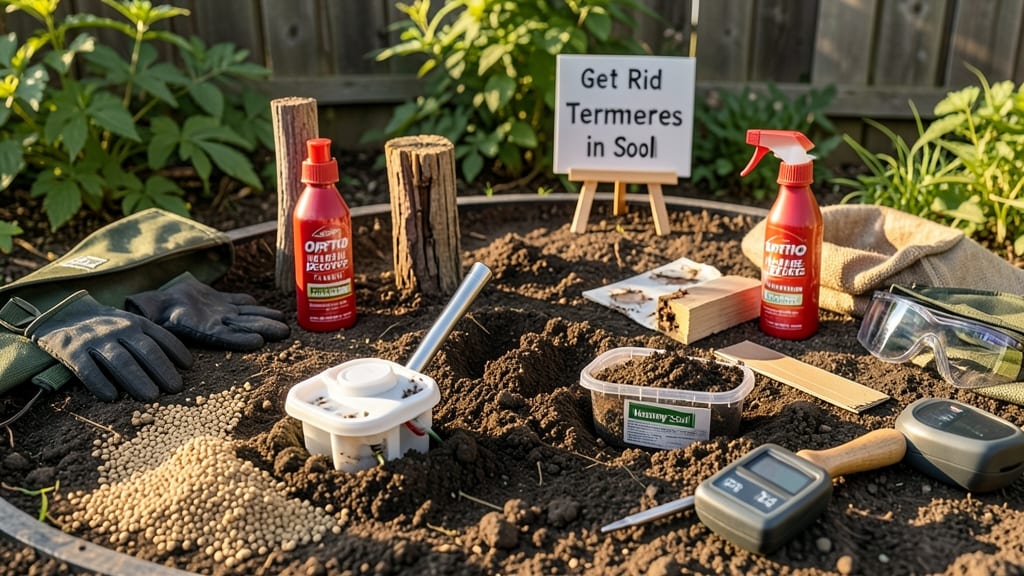
How to get rid of termites in soil without harming your garden is a challenge every gardener faces—especially when you spot their telltale mud tubes snaking through your raised beds. 🌱 I’ve battled them in my own raised beds, and the damage—chewed roots, collapsed soil structure—is heartbreaking to watch. The good news? A neem oil barrier can smother larvae in as little as 48 hours without harming plants or soil life.
Most DIY fixes fail because they target adult termites, not the hidden larvae. Neem oil works differently—it disrupts their molting process, stopping the cycle before it spreads.
You’ll need organic neem oil, water, and a sprayer, plus a few hours of setup. The key is consistency: reapply every 7-10 days during active seasons.
By the end of the first treatment, you’ll see fewer mud tubes and healthier roots. The soil stays fertile, worms thrive, and your plants stop wilting from hidden damage. It’s not just about killing termites—it’s about protecting your garden’s foundation without toxic chemicals.
Works for vegetable beds, flower gardens, and even potted plants. Here’s the step-by-step plan to stop them fast—before they ruin another season.
The Hidden Triggers Inviting Termites
Termites don’t just appear out of nowhere—they’re drawn to your soil by a mix of environmental cues, structural vulnerabilities, and even human habits. Understanding why they target your property is the first step to stopping them before they cause damage. Let’s break down the science behind their soil invasion.
Termites thrive in damp environments because moisture keeps their bodies hydrated and their tunnels stable. Here’s how soil moisture becomes a termite magnet:
- High Humidity: Termites prefer soil with a moisture content of 20-30%. Poor drainage, leaky pipes, or excessive irrigation create the perfect breeding ground. 💧
- Wood Decay: Damp wood (like rotting stumps or untreated lumber) attracts subterranean termites, which then extend their colonies into the soil nearby.
- Seasonal Swells: After heavy rains or spring thaws, soil moisture spikes, triggering termite swarms to search for new nesting sites. Pro tip: Monitor soil moisture with a soil moisture meter—if it’s consistently above 25%, you’re at risk. 🌡️
Termites are wood-eating machines, and decaying organic matter is their favorite snack. Here’s how it happens:
- Cellulose Feast: Wood, cardboard, and even paper contain cellulose, which termites digest using gut microbes. Stumps, mulch, and firewood piles near your foundation are like all-you-can-eat buffets. 🍽️
- Fungal Growth: Decaying wood often hosts fungi, which termites also consume. The fungi break down lignin (a wood component), making the wood softer and easier to digest.
- Structural Weaknesses: Cracks in concrete slabs, loose siding, or gaps around utility lines provide termites with easy access to both wood and soil. Actionable fix: Seal entry points with sand or metal barriers to cut off their highway. 🛡️
Even the most well-built homes can accidentally invite termites if maintenance is neglected. Here’s how:
- Lack of Ventilation: Crawl spaces and basements that trap moisture (from leaks or poor airflow) create ideal termite conditions. Termites don’t need much—just 1-2 inches of soil with the right humidity to start tunneling. ⚠️
- Direct Soil Contact: Wooden deck posts, latticework, or even treated lumber in contact with soil can bridge the gap between your home and their colony. Termites use these as highways to infiltrate your structure.
- Ignored Warning Signs: Mud tubes (their protective tunnels), frass (termite droppings), or hollow-sounding wood are often dismissed as minor issues—until it’s too late. Pro tip: Inspect your foundation annually, especially after storms or plumbing repairs. 🔍
Not all plants and soil amendments are termite-repellent—in fact, some encourage them. Here’s what’s on their wish list:
| Landscaping Feature | Why It Attracts Termites |
|---|---|
| Mulch Piles | Thick mulch (especially wood chips) retains moisture and provides cellulose. Keep mulch 6+ inches away from your foundation. 🌿 |
| Firewood Stacks | Stored near the house, firewood acts as a termite bridge. Move stacks 20+ feet away and elevate them off the ground. 🪵 |
| Overwatered Lawns | Termites follow water sources. Use drip irrigation away from the foundation and fix sprinkler leaks. 💦 |
| Compost Bins | While great for gardens, compost heaps near your home can attract termites. Keep them far from structures and turn them regularly to reduce moisture. ♻️ |
Termites reproduce in cycles, and when conditions are right, they launch swarms to establish new colonies. Here’s the science:
- Warm, Wet Weather: Swarms peak in spring and fall when temperatures hover around 70–90°F and soil is moist. These are the perfect conditions for winged termites (alates) to take flight and start colonies. 🦋
- Light Lures Them In: Termites are drawn to light sources (like porch lights or streetlamps), which can mislead them into flying toward your home instead of away from it.
- Founding Colonies: Once a swarm lands, they shed their wings, pair up, and burrow into soil to begin a colony. A single queen can lay 30,000 eggs per day—so one missed swarm can turn into a nightmare. ⏳
Now that you know why termites target your soil, the next step is cutting off their access—starting with a neem oil barrier that smothers larvae before they mature. Stay tuned for actionable solutions! 🚫🐜
Termite Barriers That Actually Work
Now that you understand why termites invade your soil, it’s time to take action with effective, long-term solutions that smother, repel, or eliminate these pests for good. Below, we’ve mapped practical fixes to common termite triggers—plus prevention tips to keep them away permanently.
Termites thrive in damp conditions, so reducing soil moisture is your first line of defense.
How to Fix It:
- 🌧️ Improve Drainage – Redirect downspouts, fix leaky pipes, and slope soil away from your foundation (at least 6 inches, 6 feet out).
- ☀️ Use Sand or Gravel Barriers – Create a 2-inch layer of coarse sand or gravel around your home’s perimeter. Termites avoid crossing dry, granular surfaces.
- 💧 Install French Drains – If water pools near your foundation, a perforated pipe system with gravel can divert moisture underground.
- 🌱 Plant Drought-Tolerant Landscaping – Replace water-loving plants (like bamboo or willows) with succulents, lavender, or rosemary, which require less irrigation.
💡 Pro Tip: After heavy rain, check for mud tubes (termite highways) on walls or foundations—crush them and reapply a neem oil barrier (more on that below).
Termites feast on decaying wood, stumps, and thick mulch, so eliminate their buffet.
How to Fix It:
- 🪓 Remove Dead Trees & Stumps – Even old logs or tree roots near your home are termite magnets. Chip them up or haul them away.
- 🌿 Use Termite-Resistant Mulch – Swap wood chips for rock mulch, cedar chips (naturally repellent), or rubber mulch.
- 🏠 Store Firewood Away – Keep stacks 20+ feet from your home and elevate them on metal racks (not directly on soil).
- 🔪 Inspect & Seal Wood Structures – Check decks, fences, and sheds for cracks or rot. Treat with borate-based wood preservatives (like Timbor) to deter termites.
✨ Bonus: If you have a compost pile, keep it small, dry, and far from your house—termites won’t risk the journey.
Neem oil doesn’t just repel—it suffocates termite larvae and disrupts their molting process. Here’s how to apply it like a pro:
How to Treat It:
- 🌿 Mix the Solution – Combine:
- 1 gallon of water
- 1 cup neem oil
- 1 tbsp dish soap (as an emulsifier)
- Optional: 1 tsp citrus oil (enhances repellency)
- 🔥 Apply to Soil Barriers – Spray a 3-inch-wide band around your home’s perimeter, 6 inches deep into the soil, and along foundation cracks.
- 🌧️ Reapply After Rain – Neem washes out, so retreat every 4-6 weeks (or after heavy rain).
- 🏡 Extend to Problem Zones – Focus on:
- Under porches
- Wood-to-soil contact points
- Mulch beds near structures
💡 Pro Tip: For extra potency, add diatomaceous earth (food-grade) to the mix—it physically cuts termite exoskeletons while neem oil works internally.
If termites keep returning, install a physical barrier they can’t chew through.
How to Block Them:
- 🛡️ Metal Termite Shields – Install stainless steel or aluminum barriers (like Termi-Protect) 6 inches deep around foundations.
- 🪨 Concrete or Pavers – Replace soil with a solid concrete slab or interlocking pavers near entry points.
- 🌡️ Heat Treatments (For Serious Infestations) – Companies like Terminix use infrared heat to kill termites in soil without chemicals.
⚠️ Warning: Avoid plastic or cardboard barriers—termites eat through them in days!
Once you’ve treated the infestation, lock in your defenses with these low-maintenance habits:
- 🌱 Trim Vines & Overhanging Branches – Termites use them as bridges into your home.
- 🔍 Schedule Annual Inspections – Check for mud tubes, discarded wings, or hollow-sounding wood every spring.
- 🚫 Avoid Overwatering Lawns – Use drip irrigation instead of sprinklers to keep soil dry.
- 🏡 Work with a Pro for Structural Treatments – If termites are in framing or drywall, call an exterminator for liquid termiticides (like Bifenthrin or Fipronil).
Final Thought: Termites won’t stand a chance when you combine moisture control, neem oil barriers, and physical blocks. Start with one fix today—then layer in prevention to keep your home termite-free for years. 🚀
Frequently asked questions
How do I know if my soil has termites?
Look for mud tubes (pencil-thin tunnels) on foundation walls, discarded wings near windows, or hollow-sounding wood in raised beds. Check for 6mm-wide tunnels in soil—these are termite highways. For confirmation, dig gently near tubes to spot workers (white, ant-like with straight antennae).
Will neem oil kill existing termites or just repel them?
Neem oil smothers larvae and disrupts their molting process, but it works best as a preventive barrier. For active infestations, combine it with diatomaceous earth (food-grade) to physically cut termite exoskeletons. Reapply every 7-10 days during warm months for maximum effect.
Can I use neem oil around plants?
Yes! Neem oil is organic and plant-safe when used correctly. Avoid spraying directly on flowers (it may repel pollinators), but soil applications are fine. For extra safety, dilute to 1 tbsp per gallon around edible plants. Always test a small area first.
How long does it take to see results?
With consistent application, you’ll see fewer mud tubes within 48 hours and reduced activity in 2-4 weeks. For severe infestations, combine neem oil with physical barriers (like sand or metal shields) for faster results. Monitor soil moisture—dry conditions accelerate their decline.
When should I call a professional?
If you spot swarms indoors, structural damage, or if termites return after multiple treatments, it’s time for an exterminator. Professionals use liquid termiticides (like Bifenthrin) for deep soil penetration. Focus on prevention first—DIY works for early-stage soil infestations.