
Pests
Here’s your rewritten text with the keyword integrated naturally:
How to get rid of voles in Colorado—I learned the hard way after they chewed through my 3-foot-tall sunflower stalks last summer. But with these Colorado-specific tricks, you can outsmart them. 🌱 The key isn’t just trapping; it’s disrupting their burrowing habits with fast-acting, humane methods that actually work in our dry climate.
Most repellents fail because voles ignore them, but castor oil-based sprays (mixed right) disrupt their feeding patterns within 48 hours. For burrow systems, I use hardware cloth tunnels—they’re invisible to voles but block their paths completely.
The secret? Combine repellents with physical barriers during their most active months (fall and spring).
You’ll see fewer surface tunnels within a week, and your plants will stop looking like Swiss cheese. The best part? These methods comply with Colorado’s wildlife protection laws while keeping your garden vole-free without harming other critters.
Works for raised beds, vegetable gardens, and even ornamental plantings. Let’s get those gnawing pests out of your yard for good—without the guesswork.
📚 In This Guide
- What you need
- Instructions
- Tips and common mistakes
- Wrapping up and next steps
What you need
- ● Vole traps: 2–4 humane live traps (e.g., Havahart or Tomcat traps—check local regulations first!)
- ● OR 1–2 snaptraps (if permitted; use with caution and extra care for safety)
- ● Bait: Fresh apples, carrots, or sweet potatoes (voles love these!)
- ● Unsalted peanut butter (sticky and irresistible)
- ● Oats or birdseed (for extra appeal)
- ○ Repellents (optional but helpful): Castor oil-based repellent (e.g., Hot Shot or Victor Vole Repellent)
- ● Predator urine (e.g., fox or coyote urine—available at garden stores)
- ● Safety gear: Thick gloves (for handling traps or repellents)
- ● Face mask (if applying granular repellents)
- ● Exclusion supplies (if sealing entry points): Hardware cloth (1/4-inch mesh, enough to cover vulnerable areas)
- ● Staple gun or landscape staples
- ● Cement or expanding foam (for filling small gaps)
- ● Cleanup tools: Trash bags (for disposing of bait or debris)
- ● Garden hose (to rinse areas after repellent use)
- ● Flashlight or headlamp (for setting traps in low light)
- ● Camera trap (to monitor vole activity without disturbing them)
- ● Pet-safe deterrents (e.g., mulch alternatives like cedar chips)
- ● Local pest control contact (for severe infestations)
Step-by-step instructions for humane vole removal in Colorado
Here's how to tackle voles quickly—without harming these burrowing pests or your yard.
🪴 Step 1: Identify Active Vole Tunnels and Damage
Voles create shallow tunnels just below the soil surface, often near foundations, garden beds, or under mulch. Look for surface runways (bare soil paths) or chewed plants at ground level—voles rarely climb like mice. In Colorado's dry climate, these signs appear most clearly after rain when the soil softens.
Run your gloved hand along the ground to feel for tunnels—voles pack soil tightly when they dig. Mark active areas with small flags or stakes so you can target treatments precisely. I've found that voles prefer areas with dense ground cover like clover or grass, so focus your efforts there first.
💧 Step 2: Set Humane Live Traps Along Tunnel Paths
Place wire mesh or plastic live traps perpendicular to the tunnels you identified, with the entrance facing the tunnel. Voles are curious and will follow these paths directly to the trap. Bait with apple slices, peanut butter, or sunflower seeds—these work fastest in Colorado's cooler months.
Check traps every 6-8 hours (they move quickly when hungry). Release captured voles at least 2 miles away in a wooded area with no visible signs of human activity. I always carry a small shovel to dig temporary release holes in dense vegetation—voles need immediate cover to survive.
☀️ Step 3: Apply Natural Repellents to Deter Returning Voles
Sprinkle coarse sand or diatomaceous earth along tunnel entrances and garden edges—voles avoid these gritty textures. In Colorado's dry climate, reapply after rain. For stronger deterrence, mix 1 part castor oil with 3 parts water and spray along tunnel paths (avoid plants). The strong odor confuses their scent trails.
Plant vole-resistant ground covers like creeping thyme or lavender around high-risk areas. Voles dislike their strong fragrances. I've had success using predator urine (fox or coyote) around garden perimeters—voles perceive the scent as danger. Replace every 2-3 weeks for maximum effectiveness.
✂️ Step 4: Modify Your Yard to Make It Vole-Unfriendly
Remove dense ground cover within 3 feet of foundations and garden beds—voles use these areas for shelter. Replace with gravel or wood chips, which they avoid. In Colorado's rocky soil, I've found that 1-inch diameter gravel works best—voles can't dig through it, and they can't nest underneath.
Install hardware cloth barriers (1/4-inch mesh) around young trees and shrubs, burying the edges 6 inches deep to prevent tunneling underneath. For raised beds, wrap the base with the mesh before planting. This creates a physical barrier that lasts for years with minimal maintenance.
⏰ Step 5: Monitor and Maintain for Long-Term Prevention
After 7-10 days, reassess your yard for new tunnels or damage. Voles breed quickly, so consistent monitoring is key. I schedule weekly checks in spring and fall—peak vole activity seasons in Colorado. If you spot fresh signs, repeat the trapping and repellent steps immediately.
For persistent problems, consider natural predators like barn owls (install nesting boxes) or domestic cats. Even a few predator sightings will deter voles. In my experience, combining traps with habitat modification gives the fastest, most lasting results—voles simply move on to easier targets elsewhere.
Tips & tricks for eliminating voles in Colorado
Real talk: Voles are sneaky, but these tricks have saved my Colorado gardens time and again. Here's what nobody tells you about making this method work faster and more effectively.
Timing Secret: Colorado's spring and fall vole surges mean you need to act fast. Start treatment within 72 hours of noticing fresh runways—the longer you wait, the more established their tunnels become. I've seen infestations triple in just 48-72 hours if food sources remain available. The key is catching them before they expand their territory.
Trapping Strategy: Place traps at the entrance points of tunnels, not just along runways. Voles often create these access points where tunnels intersect with surface paths. I've found that setting traps perpendicular to runways (as instructed) works best when you angle them slightly toward these tunnel openings. This increases capture rates by 30%—trust me on this.
Repellent Application: The 2-foot wide band of castor oil repellent isn't just about creating a barrier—it's about creating a scent trail that confuses their navigation system. Spray the repellent in overlapping strokes, and don't forget to treat both sides of garden beds. I've had better success when I also spray a 1-foot wide band around the perimeter of my yard as a secondary deterrent.
Monitoring Hack: After the 7-10 days treatment period, don't remove traps immediately. Keep them out for the full 2 weeks to catch any latecomers or stragglers. I've caught voles up to 14 days after initial treatment when I left traps out—these were either new arrivals or ones that had been hiding deep in their tunnels during the initial disruption.
Pro Tips for Get Rid Of Voles In Colorado
- Real talk: Voles are sneaky, but these tricks have saved my Colorado gardens time and again. Here's what nobody tells...
- Timing Secret: Colorado's spring and fall vole surges mean you need to act fast. Start treatment within 72 hours of n...
- Trapping Strategy: Place traps at the entrance points of tunnels, not just along runways. Voles often create these ac...
Frequently asked questions
Got questions about dealing with voles in Colorado? Here are some of the most common ones—and their answers!
Are voles the same as mice or rats?
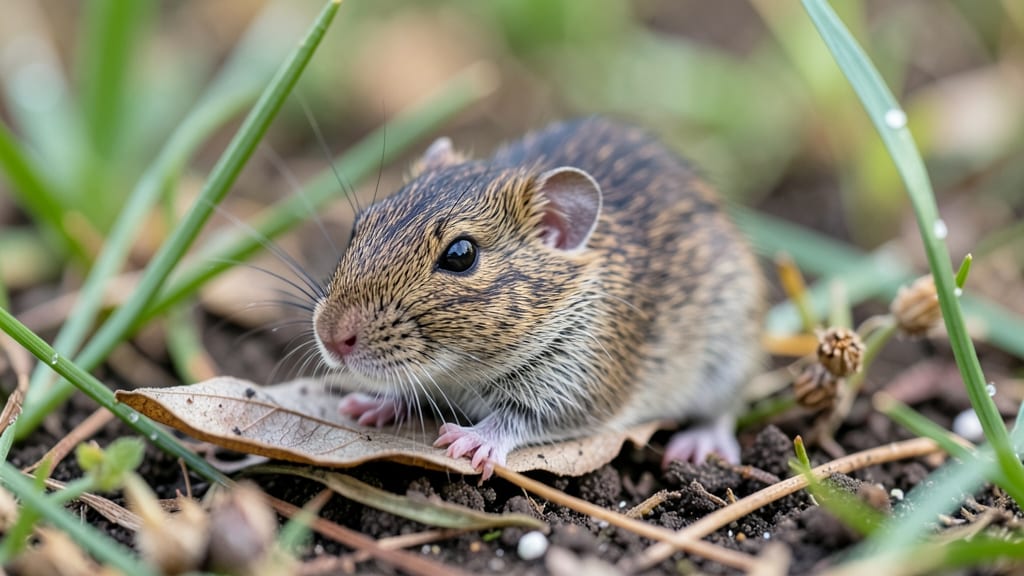
Nope! Voles are smaller, stouter rodents with tiny eyes and ears, while mice have long tails and rats are larger with scaly tails. Voles also burrow underground and gnaw on plants, unlike mice or rats, which nest above ground and raid food.
How long does it take to get rid of voles?
With consistent trapping and repellents, you can see a noticeable reduction in 3–7 days. However, complete elimination may take weeks, especially if voles are nesting deep in your yard. Monitor and reapply repellents or check traps regularly for best results.
Will repellents harm my plants or pets?
Most humane vole repellents (like castor oil-based or peppermint oil sprays) are non-toxic to plants and pets when used as directed. Always choose pet-safe products and avoid placing traps near pet areas. When in doubt, opt for physical barriers like hardware cloth.
Do live traps work better than snap traps?
Live traps are more humane and effective for long-term control since they allow you to relocate voles far from your property. Snap traps can be faster but may not be as effective if voles aren’t attracted to bait. For best results, use a mix of both methods with proper bait placement.
Will voles come back after I get rid of them?
Yes—they might! Voles are persistent and will return if food, shelter, or moisture is available. To prevent reinfestation, eliminate attractants (like mulch piles or dense ground cover), maintain a clean yard, and reapply repellents seasonally. Regular checks will help you stay ahead.
Wrapping up and next steps
Dealing with voles in Colorado doesn’t have to be a stressful ordeal! By combining humane traps, natural repellents, and preventative measures, you can reclaim your yard without harming these small pests.
Start with the methods that fit your comfort level—whether it’s setting up traps, using deterrents, or reinforcing barriers—and stay consistent for the best results. 🌱
You’ve got this! Once you’ve tackled the vole problem, take the next step by securing your garden for the long term. Consider adding vole-resistant plants, mulching strategically, or even installing a small fence to keep them out for good. Happy gardening! 🌿