
Propagation
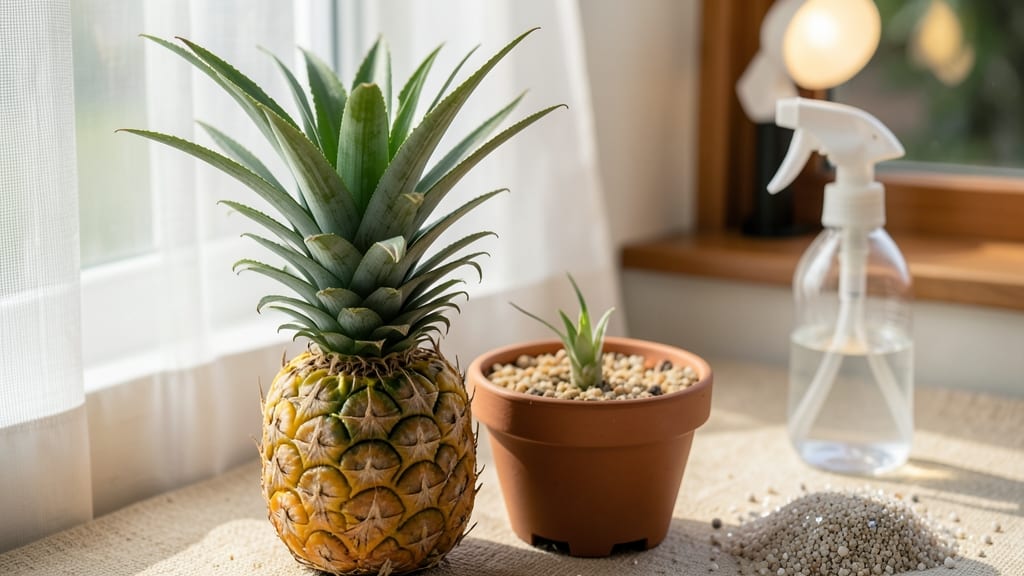
That pineapple top from a store-bought pineapple isn’t trash—it’s a tropical treasure waiting to grow. 🌱 I’ve turned grocery store scraps into lush houseplants that smell like sunshine, and you can too.
The secret? Patience and just the right conditions to coax those roots from what looks like a useless leftover.
You’ll need three simple things: a clean pineapple crown, a jar of water (or soil), and a sunny windowsill. Most people quit after the first week when nothing happens—don’t! Roots appear in 2-4 weeks if you keep the base moist and warm.
The real magic starts when you transplant it to soil and watch it grow into a real, flowering pineapple plant.
By summer, you’ll have a velvety-leaved plant that thrives on neglect (just don’t drown it). With proper care, it might even flower in 2-3 years—though fruiting indoors is rare, the journey is half the fun. The smell of fresh pineapple in your kitchen will never be the same.
This works in any climate—just adjust light and humidity. Even my black thumb can’t kill these. Let’s get growing!
📚 In This Guide
- What you need
- Instructions
- Tips and common mistakes
- Wrapping up and next steps
What you need
- ● 1 ripe, healthy pineapple (preferably organic or pesticide-free for best results)
- ● Sharp kitchen knife or pruning shears (sterilized with rubbing alcohol)
- ● Paper towels or clean cloth (for drying the pineapple crown)
- ○ Rooting hormone (optional but recommended) (available at garden centers)
- ● Small pot (6-8 inches in diameter) with drainage holes (plastic or terracotta works well)
- ● Well-draining potting mix (cactus/succulent mix or a blend of perlite, peat moss, and sand)
- ● Spray bottle with water (for gentle misting)
- ● Clear plastic bag or plastic wrap (to create a humidity dome)
- ● Bright, indirect sunlight location (or a grow light for indoor setups)
- ● Peat moss or coconut coir (for extra moisture retention)
- ● Fertilizer (balanced, diluted 10-20-10) (once roots establish)
- ● Humidity tray or pebble tray (to boost humidity in dry climates)
- ● Label or plant marker (to track growth progress)
Step-by-Step instructions for growing a pineapple plant from a store-bought fruit
Here’s how to transform a grocery store pineapple into a thriving tropical plant—just follow these simple steps.
🌱 Step 1: Select and Prepare the Pineapple Crown
Choose a ripe pineapple with a green, leafy crown still attached—this is your plant starter. Carefully twist or cut the crown off just below the base, leaving about 1-2 inches of stem. Remove any remaining fruit flesh from the base, as this can rot. Let the crown dry in a warm, shaded spot for 2-3 days—this prevents rot when you root it.
Here’s the thing—don’t rush this drying step. A damp crown will develop mold or bacterial rot within days. Place it on a paper towel in a well-ventilated area, like a sunny windowsill or a warm kitchen counter. You’ll know it’s ready when the cut stem looks slightly shriveled and the leaves are crisp.
💧 Step 2: Root the Crown in Water or Soil
Fill a small glass or jar with 2-3 inches of room-temperature water, and place the dried crown in so the stem touches the water but the leaves stay dry. Change the water every 3-4 days to prevent bacterial growth. Roots should appear in 2-4 weeks—look for tiny white tendrils forming at the base of the stem.
If you prefer soil, mix equal parts cactus/succulent mix and perlite for drainage. Plant the crown in a 4-inch pot with the base buried just enough to hold it upright. Water lightly until the soil is barely damp, then wait until the top inch feels dry before watering again. Overwatering is the fastest way to kill a pineapple cutting.
☀️ Step 3: Provide Warmth and Bright Light
Pineapple plants thrive in warmth (70-85°F) and need bright, indirect light—a south- or west-facing window is ideal. If leaves start stretching or turning pale, your plant isn’t getting enough light. Rotate the pot a quarter turn weekly so it grows evenly. Avoid direct midday sun, which can scorch the leaves.
This is the moment that matters: Once roots form (whether in water or soil), fertilize lightly with a balanced liquid fertilizer diluted to half-strength. Do this every 4-6 weeks during spring and summer to encourage strong growth. Skip fertilizer in fall and winter—your plant is dormant and doesn’t need extra nutrients.
🪴 Step 4: Transplant and Encourage Flowering
After 3-4 months, when the roots fill the small container, transplant into a 6-8 inch pot with fresh cactus/succulent mix. Use a pot with drainage holes—pineapples hate soggy roots. Water deeply after transplanting, then let the soil dry out before watering again. This helps the plant establish without stress.
To trigger flowering, your pineapple needs a temperature drop to 50-60°F at night for 2-4 weeks. Place it near a cool window or move it to a garage (if temps stay above freezing). After the cold treatment, return it to warmth and bright light. A flower spike should emerge in 6-12 months, followed by a pineapple fruit in 1-2 years.
⏰ Step 5: Maintain and Harvest Your Pineapple
Once your pineapple plant flowers, the bloom will turn yellow and drop, revealing a small green fruit. This takes patience—don’t rush it. The fruit will ripen over 4-6 months, turning golden yellow and sweet-smelling. You’ll know it’s ready when the base turns slightly brown and the scent is strong.
Harvest by twisting gently or cutting the fruit from the stem. Enjoy it fresh, or save the crown to repeat the process! Real talk: Not all pineapple plants will flower indoors, but even if yours doesn’t, the tropical foliage makes a stunning houseplant. Keep it happy with warmth, light, and occasional fertilizer, and you’ll have a living piece of the tropics for years.
Tips & tricks for perfect pineapple plant growth
A few clever strategies will help you coax that pineapple crown into a thriving plant with minimal fuss. These are the details that make all the difference between a thriving tropical treasure and a sad, wilted experiment.
Drying is Non-Negotiable: That 2-3 day drying period in Step 1 isn't optional—it's your first line of defense against rot. I've seen too many well-intentioned starters skip this and watch their crowns turn to mush within days. Place yours on a paper towel in a spot with good airflow, like a sunny windowsill. The stem should look slightly shriveled and the leaves crisp before you proceed. This isn't just about preventing rot; it's about giving your plant the best possible start.
Root Development Watch: When rooting in water (Step 2), be patient—those tiny white tendrils might take 2-4 weeks to appear, but don't change the water more often than every 3-4 days. Too-frequent changes shock the developing roots. For soil rooting, the 4-inch pot is crucial—it gives enough room for roots to establish without becoming waterlogged. I've found that pineapple crowns planted directly in too-large pots struggle to develop strong root systems.
Light Balance Act: The 70-85°F warmth range in Step 3 is ideal, but light is where most people go wrong. Bright indirect light is key—direct midday sun can scorch those tender leaves while too little light causes that classic "leggy" growth. Rotate your pot a quarter turn weekly to prevent your plant from growing lopsided. I keep mine near my south-facing window but use a sheer curtain to diffuse the harshest afternoon rays.
Cold Treatment Hack: That 50-60°F nighttime temperature drop in Step 4 is your secret weapon for flowering. Most people give up when their pineapple doesn't flower, but this cold treatment mimics tropical seasonal changes. Place your plant near a cool window at night (or in a garage if temps stay above freezing) for 2-4 weeks, then return it to warmth. This simple trick significantly increases your chances of seeing that coveted flower spike emerge within 6-12 months.
Pro Tips for Grow A Pineapple From A Store Bought Pineapple
- A few clever strategies will help you coax that pineapple crown into a thriving plant with minimal fuss. These are th...
- Drying is Non-Negotiable: That 2-3 day drying period in Step 1 isn't optional—it's your first line of defense against...
- Root Development Watch: When rooting in water (Step 2), be patient—those tiny white tendrils might take 2-4 weeks to ...
Frequently asked questions
Got questions about growing your own pineapple? Here are some of the most common ones—and their answers—to help you succeed!
How long does it take for a pineapple top to grow into a full plant?
A pineapple top (crown) usually takes 12–18 months to grow into a mature plant indoors, but it can take 2–3 years to produce a fruit if you move it outside. Patience is key—think of it as a long-term tropical project!
Can I grow a pineapple indoors year-round?
Yes! Pineapple plants thrive indoors with bright, indirect light (like a sunny windowsill) and warm temperatures (65–85°F). Just avoid drafts and keep the soil moist but not soggy. If you notice leggy growth, rotate the pot for even light exposure.
Why isn’t my pineapple plant flowering or fruiting?
Pineapple plants need specific conditions to flower: temperature shifts (like cool nights), ethrel gas treatment (available at garden centers), or a mature plant (2+ years old). If indoors, try moving it outside for a few weeks in spring/summer to encourage blooming.
What if my pineapple top rots before it grows roots?
Rot is usually caused by too much moisture or bacteria/fungus from a dirty cutting. To prevent it:
- Let the top dry for 1–2 days before planting.
- Use a well-draining soil mix (like cactus/succulent blend).
- Avoid overwatering—wait until the top inch of soil is dry.
Can I grow a pineapple from a store-bought pineapple that’s pre-cut or canned?
Nope! Only fresh, organic pineapples with the crown intact work. Pre-cut or canned pineapples lack the growing tip (meristem) needed to sprout. Stick to whole, ripe pineapples for the best chance of success!
Wrapping up and next steps
Growing a pineapple from a store-bought fruit is a rewarding journey that connects you to nature’s sweet surprises! 🌱 With just a little patience and care, you’ve got the chance to nurture a tropical plant that could one day yield your very own homegrown pineapple. Start small, stay consistent, and celebrate each milestone—whether it’s those first green leaves or the eventual bloom.
Ready to take the next step? Try propagating another tropical plant—like a succulent or avocado—to expand your green thumb skills! Or share your pineapple’s progress with fellow plant lovers for extra motivation. Your garden (and future fruit bowl) will thank you. 🌿✨