
Size
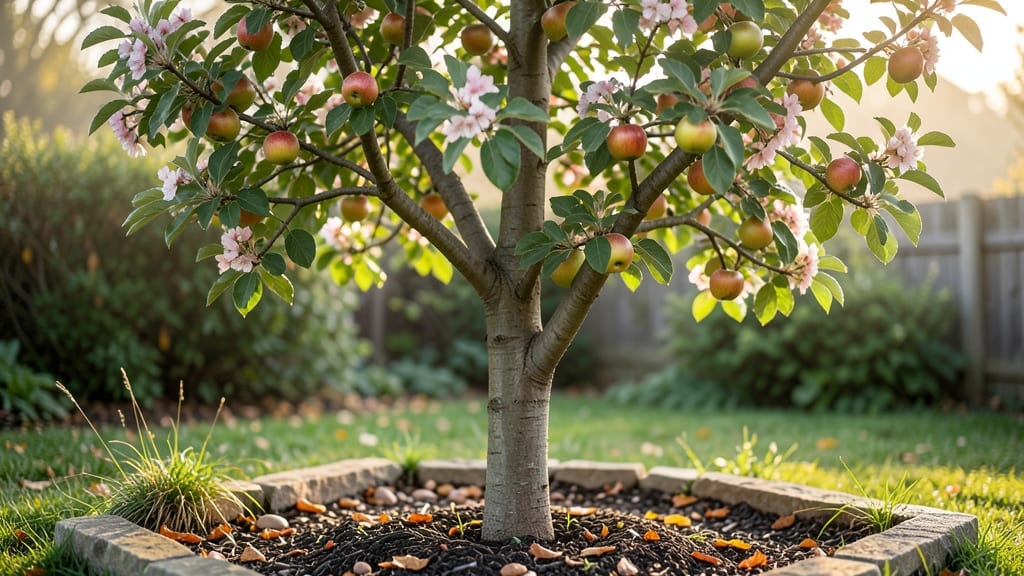
How to grow an apple plant from scratch feels like planting a future. 🌱 Three years of nurturing may seem long, but that first harvest—juicy, crisp apples you grew yourself—makes every pruned branch worth it. The key isn’t rushing; it’s understanding what apple trees really need to thrive.
Start with the right variety for your space: standard trees need room, while dwarf varieties fit containers or small yards. Soil should drain well (think loose, amended earth), and a sunny spot with at least 6 hours of light is non-negotiable.
Water deeply once a week, but avoid soggy roots—apple trees hate wet feet. Most beginners overwater, so let the top inch of soil dry before adding more.
Pruning in late winter shapes your tree and encourages strong growth. Remove dead wood first, then thin out crowded branches to let sunlight reach the center. Pollination is next: plant two compatible varieties nearby, or hand-pollinate with a paintbrush if bees are scarce.
Organic sprays of neem oil keep pests at bay without harsh chemicals.
Patience is the hardest part—apples take 3-5 years to bear fruit, but the wait pays off. Frost-sensitive blossoms? Cover them with frost cloth on cold nights. Poor fruit set? Check for pollinators or adjust pruning.
Every season, your tree will surprise you with new growth, and one day, you’ll wake up to apples heavy enough to bend the branches.
📚 In This Guide
- What you need
- Instructions
- Tips and common mistakes
- Wrapping up and next steps
What you need
- ● Apple tree sapling or seeds: Choose disease-resistant varieties like Honeycrisp, Fuji, or Gala. Saplings (1-2 years old) are ideal for faster fruiting.
- ● High-quality potting soil: 10-15 lbs of well-draining, organic soil (pH 6.0-7.0). Mix in compost for nutrients.
- ● Garden space: A sunny spot (6+ hours of sunlight daily) with at least 8-10 feet of space for mature trees.
- ● Watering can or hose: With a gentle spray nozzle to avoid damaging roots.
- ● Fertilizer: Balanced 10-10-10 or organic options like compost tea or worm castings.
- ● Mulch: 2-3 inches of wood chips or straw to retain moisture and suppress weeds.
- ● Pruning shears: Sharp, clean tools for shaping and maintaining the tree.
- ● Tree stakes and ties for young saplings.
- ● Pest control: Neem oil or organic sprays for aphids/mites.
- ● Drip irrigation system for efficient watering.
- ● Pollination aid: A small brush to transfer pollen if growing from seeds.
Step-by-step guide to growing your own apple tree
Here’s how to get started with a thriving apple tree from scratch—no green thumb required.
🌱 Step 1: Choose the Right Variety and Planting Location
Select a dwarf apple tree variety if space is limited—these stay manageable while still producing fruit. Standard varieties need more room but yield larger harvests. Look for disease-resistant types like ‘Honeycrisp’ or ‘Fuji’ to avoid common issues.
Your tree needs full sun (at least 6-8 hours daily) and well-draining soil. Test your soil’s pH—apple trees thrive in slightly acidic conditions (6.0-6.5). If your soil is heavy clay, amend it with 3-4 inches of compost mixed into the top 12 inches before planting. Avoid low spots where water pools.
🪴 Step 2: Plant Your Tree at the Right Time and Depth
Plant bare-root trees in early spring (just as buds swell) or dormant-season fall. Dig a hole twice as wide as the root ball but no deeper—apple trees hate having their roots buried too deeply. Loosen the roots gently if they’re circling.
Place the tree so the graft union (the bump where the scion was attached) sits 2-3 inches above ground level. This prevents it from being buried and rotting. Backfill with native soil, tamping lightly to remove air pockets. Water deeply to settle the soil around the roots—1-2 gallons should soak in completely.
☀️ Step 3: Mulch and Water for Healthy Growth
Spread 3-4 inches of organic mulch (like wood chips or straw) around the base, keeping it 6 inches away from the trunk to prevent rot. Mulch retains moisture and regulates soil temperature, which is critical in the first year. Replenish mulch annually as it breaks down.
Water deeply once a week during the first growing season, aiming for 1-2 inches of water per week. Let the soil dry slightly between waterings—soggy roots lead to root rot. You’ll know your tree is getting enough water when the top 6 inches of soil feel moist but not saturated. Avoid overhead watering to prevent fungal diseases.
✂️ Step 4: Prune for Shape and Airflow
Prune your apple tree in late winter or early spring before buds swell. Remove any dead, crossing, or inward-growing branches first. Open the center of the tree to improve airflow, which reduces disease risk. Aim to create a vase-like shape with a strong central leader.
Thin out overcrowded branches to let sunlight reach the inner canopy. Cut back to a bud or outward-growing branch—never leave stubs. Young trees need light pruning (just shaping), while mature trees may need 10-20% of their branches removed annually. Sterilize pruning tools with rubbing alcohol between cuts to prevent spreading disease.
🍎 Step 5: Fertilize and Pollinate for Fruit Production
Apply a balanced, slow-release fertilizer (like 10-10-10) in early spring and again in mid-summer. Follow package instructions—over-fertilizing can burn roots. Apple trees also need cross-pollination unless you plant a self-pollinating variety. If you have only one tree, plant a second compatible variety within 50 feet for fruit set.
Watch for blossoms in spring—they’ll appear as clusters of pink or white flowers. Thin fruit when it’s golf-ball sized (about 1-2 inches in diameter), leaving 6-8 inches between apples to ensure larger, higher-quality fruit. Remove any misshapen or damaged fruit early to redirect the tree’s energy.
Tips & tricks for growing a thriving apple tree
Growing an apple tree takes patience, but these practical tips will help you avoid common pitfalls and give your tree the best start.
Sunlight and Soil Secrets: While the instructions call for at least 6-8 hours of sunlight daily, I’ve found that morning sun (east-facing exposure) is ideal—it helps dry dew quickly, reducing fungal risks. For soil prep, mix in 3-4 inches of compost with the top 12 inches of native soil, but don’t overdo it. Too much compost can make the soil too rich, encouraging leafy growth at the expense of fruit production.
Planting Depth Matters: The graft union should sit 2-3 inches above ground level, but here’s the thing—if your soil is sandy, you might need to mound it slightly higher to prevent erosion. After planting, water deeply with 1-2 gallons to settle the soil, but avoid creating puddles. A good test? If water pools for more than 10 minutes, your hole is too deep.
Mulch Like a Pro: That 3-4 inches of organic mulch isn’t just for looks—it’s a game-changer. Use wood chips or straw, but keep it 6 inches away from the trunk to prevent rot. Pro tip: Refresh your mulch every spring before new growth starts. I’ve seen trees with mulch that’s broken down to less than an inch—this leads to poor moisture retention and temperature swings.
Pruning Precision: When pruning in late winter, focus on creating an open center. I like to visualize a vase shape—this allows sunlight to reach all branches and improves airflow. For young trees, limit cuts to shaping only; mature trees can handle up to 20% of their branches removed. And always cut back to a bud or outward-growing branch—never leave stubs, as they invite disease.
Pro Tips for Grow Apple Plant
- Growing an apple tree takes patience, but these practical tips will help you avoid common pitfalls and give your tree the best start.
- Sunlight and Soil Secrets: While the instructions call for at least 6-8 hours of sunlight daily, I’ve found that morning sun (east-facing exposure) is ideal—it helps dry dew quickly, reducing fungal risks.
- Planting Depth Matters: The graft union should sit 2-3 inches above ground level, but here’s the thing—if your soil is sandy, you might need to mound it slightly higher to prevent erosion.
Frequently asked questions
Got questions about growing your own apple tree? You’re not alone! Here are answers to the most common queries to help you nurture a thriving orchard—even if you’re a beginner.
How long does it take for an apple tree to bear fruit?
Patience is key! Dwarf varieties may produce fruit in 2–4 years, while standard trees can take 5–7 years. Factors like climate, soil quality, and care (like proper pruning and pollination) speed up the process. Choose fast-growing varieties like ‘Honeycrisp’ or ‘Gala’ for quicker rewards!
Can apple trees survive winter?
Yes, but they need protection! Most apple trees are hardy in USDA zones 4–8. In colder climates, mulch the base with straw or wood chips (6–12 inches deep) to insulate roots. Young trees benefit from tree wraps or burlap to shield bark from sun scald. Avoid heavy snow buildup on branches—shake it off gently!
Do I need two apple trees to get fruit?
Almost always—yes! Apple trees are self-pollinating but cross-pollinating for better yields. Plant two different varieties (e.g., ‘Granny Smith’ + ‘Fuji’) within 50–100 feet for optimal pollination. Some modern varieties (like ‘Liberty’) are self-fertile, but cross-pollination still boosts fruit quality.
What’s eating my apple tree leaves? And how do I stop it?
Common culprits include aphids, tent caterpillars, or deer. For pests: Spray neem oil or insecticidal soap early in the season. Pro tip: Introduce ladybugs (natural predators) or wrap tree trunks with hardware cloth to deter deer. Prune damaged leaves promptly to limit spread.
Can I grow an apple tree in a pot?
Dwarf varieties (like ‘Columnar’ or ‘Semi-Dwarf’) thrive in 15–25 gallon containers with drainage holes. Use well-draining potting mix and repot every 2–3 years. Place in full sun (6+ hours/day) and fertilize monthly during growing season. Just remember: Potted trees may need winter protection in cold zones!
Why aren’t my apple blossoms turning into fruit?
Several factors could be at play:
- Poor pollination: Bees or wind may not be visiting. Hand-pollinate with a paintbrush if needed.
- Late frost: Blooms need chill hours (300–1,000+) and frost-free periods. Cover trees with frost cloth if frost threatens.
- Nutrient deficiency: Yellow leaves? Test soil and amend with compost or a balanced fertilizer (10-10-10).
- Over-thinning: Too many fruit? Thin clusters to 6–8 inches apart to reduce stress on the tree.
Wrapping up and next steps
Growing your own apple plant is a rewarding journey that combines patience, care, and a little bit of 🌱 magic. From selecting the right variety to nurturing your tree with proper sunlight, soil, and pruning, each step brings you closer to a bountiful harvest.
Remember, even the most experienced gardeners started somewhere—so don’t hesitate to experiment and learn along the way!
Now that you’re armed with knowledge, take the next step and plant your apple tree this season! Whether you’re a beginner or a seasoned gardener, every sapling has the potential to grow into a fruitful masterpiece. Happy planting—your future apple harvest is waiting! 🍏✨