
Size
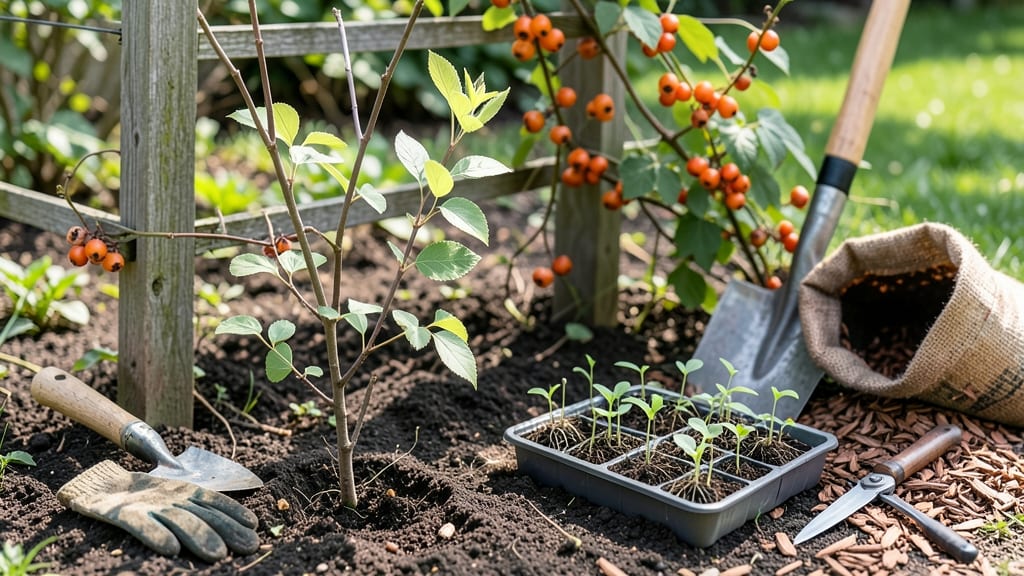
Three months from a bare patch to a vibrant bittersweet vine—how to grow and plant this fast-transforming vine is the secret to turning a dull corner into a living trellis.
I learned the hard way that patience isn’t required here: with the right sunlight and a little soil prep, these vines explode upward like nature’s own pergola. The secret? Mimicking their wild habitat—moist but well-drained soil and a sturdy support to climb.
Most gardeners overlook bittersweet’s sunny side, assuming it thrives in shade. Wrong. Give it 6+ hours of direct sun, and you’ll see those signature orange berries forming by midsummer. The soil?
Loamy and slightly acidic—think forest floor, not heavy clay. Plant in early spring when roots can establish before summer heat hits, and watch those tendrils latch onto trellises or fences within weeks.
By late summer, you’ll have a towering vine blanketed in bright berries that last through winter. The key is consistent moisture—water deeply once a week unless it rains—and pruning back leggy growth in early spring. This isn’t just a vine; it’s a low-maintenance statement piece that outshines most ornamental plants.
Works in zones 3-9, whether you’re training it on a fence, arbor, or even a large container with a sturdy trellis. Here’s how to skip the trial-and-error and get results faster than you’d expect.
📚 In This Guide
- What you need
- Instructions
- Tips and common mistakes
- Wrapping up and next steps
What you need
- ● Bittersweet seeds or cuttings: Choose Celastrus scandens (American bittersweet) or Celastrus orbiculatus (Oriental bittersweet). Start with 5–10 seeds or 2–3 healthy cuttings for a small garden.
- ● Well-draining potting mix: A blend of 50% garden soil, 30% compost, and 20% perlite or sand (1–2 bags, ~10–15 lbs each).
- ● Containers or garden bed: For seeds: 4–6 small pots (4–6 inches wide) with drainage holes.
- ● For cuttings: 1–2 gallon-sized pots or a 6-inch-deep garden bed with full sun exposure (6+ hours/day).
- ● Pruning shears: Sharp, sterilized shears for trimming cuttings or vines (look for bypass-style with a 4–6 inch blade).
- ○ Rooting hormone (optional but helpful): A powder or gel to boost cutting success (e.g., Rootone).
- ● Mulch: 2–3 inches of organic mulch (straw or shredded bark) to retain moisture and suppress weeds.
- ● Sunlight: A south- or west-facing location with 6+ hours of direct sun daily.
- ● Water source: A hose with a gentle spray nozzle or drip irrigation system for consistent moisture.
- ● Patience: Bittersweet grows 1–2 feet per year—plan for 3+ months to see significant vine growth!
- ○ Support structure (optional): A trellis, fence, or arbor (6–10 feet tall) for vertical growth.
Step-by-step instructions for growing bittersweet vines
Bittersweet thrives with the right conditions—here's how to transform a sunny spot into a vibrant vine haven.
Select and Prepare the Planting Site
Bittersweet vines need full sun—at least 6 hours of direct sunlight daily—and well-draining soil. Choose a location with a sturdy trellis, fence, or arbor at least 6-8 feet tall, since mature vines can reach 20 feet. If your soil is heavy clay, amend it with 2-3 inches of compost mixed into the top 12 inches of soil to improve drainage.
Test the soil pH—bittersweet prefers slightly acidic to neutral soil (pH 6.0-7.0). If your soil is too alkaline, add sulfur or peat moss to lower the pH before planting. Avoid low-lying areas where water pools, as soggy roots lead to root rot. Once you’ve chosen the spot, clear away weeds and loosen the soil to 12 inches deep with a garden fork.
Plant Bittersweet in Early Spring or Fall
Plant bare-root bittersweet in early spring (March-April) or fall (September-October) when temperatures are mild. Dig a hole twice as wide as the root ball but only as deep—the top of the roots should sit 1 inch below soil level to prevent crown rot. Gently spread the roots outward in the hole, ensuring they’re not bent or crowded.
Backfill with native soil, tamping lightly to remove air pockets but avoiding compaction. Water deeply to settle the soil and encourage root contact. Mulch around the base with 2-3 inches of organic mulch (like wood chips or shredded bark), keeping it 3 inches away from the stem to prevent rot. This mulch layer helps retain moisture and regulate soil temperature.
Provide Support and Encourage Climbing
Install a trellis, fence, or sturdy arbor within 2-3 feet of the planting site so the vine can reach it immediately. Bittersweet climbs using twining stems, so it doesn’t need aggressive tying—just guide the main stem upward as it grows. If using a trellis, space horizontal wires 12-18 inches apart to give the vine plenty of surface area to cling to.
In the first growing season, focus on root establishment rather than aggressive pruning. Let the vine grow naturally to 3-5 feet tall before training it. You’ll notice new growth emerging from the base—these are the lateral shoots that will form the dense foliage and berries later. Water deeply once a week (or more in extreme heat) to encourage strong root development.
Prune and Maintain for Healthy Growth
Prune bittersweet in late winter or early spring before new growth begins. Remove dead, diseased, or crossing branches first, cutting back to a healthy bud or lateral branch. Thin out overcrowded stems to improve airflow and reduce pest issues. For established vines, prune back one-third of the oldest stems annually to encourage new growth and fruit production.
Fertilize lightly in early spring with a balanced, slow-release fertilizer (10-10-10)—avoid high-nitrogen formulas, which promote leafy growth at the expense of berries. Water at the base early in the morning to reduce fungal risks, and avoid wetting the foliage. Watch for Japanese beetles or spider mites, which can defoliate vines; treat with neem oil or insecticidal soap if needed.
Harvest and Enjoy the Fruits of Your Labor
Bittersweet berries ripen in late summer to fall (August-October), turning from green to bright orange-red. They’re not edible for humans but are a wildlife magnet—birds and small mammals adore them. Harvest by cutting entire stems with berries intact, leaving some for birds if you’re okay with them being eaten. Dry the berries in a well-ventilated, shaded area for 2-3 weeks before storing in a cool, dry place.
To prolong the vine’s life, protect it from late-season frosts by wrapping young plants in burlap or frost cloth if temperatures drop below 20°F. Mature bittersweet is hardy to USDA Zone 3, but new growth may need winter protection in colder climates. With proper care, your bittersweet will thrive for decades, providing year-round interest with its lush foliage, vibrant berries, and architectural beauty.
Tips & tricks for growing bittersweet vines
Bittersweet rewards patience with dramatic vertical growth—here’s how to maximize your chances of success from day one.
Site Selection Secrets: While full sun is non-negotiable, don't overlook the importance of wind protection. I’ve seen bittersweet struggle in exposed areas where winds exceed 10 mph—the constant movement weakens the vine’s ability to attach to supports. Position your trellis on the leeward side of fences or buildings, and consider adding a temporary windbreak if your yard is particularly breezy. The 6-8 hours of sunlight requirement is about consistent exposure, not necessarily peak midday sun.
Root Revival Technique: That 1-2 hour soak for bare-root plants isn’t just about hydration—it’s about waking up dormant root cells. I add a splash of seaweed extract to the lukewarm water (about 1 teaspoon per gallon) to stimulate root growth immediately. This extra step can mean the difference between a struggling plant and one that establishes itself within weeks. The roots should feel plump and flexible when ready to plant, not limp or brittle.
Support System Strategy: Installing a 5-foot trellis at planting time might seem premature when your vine is just a few inches tall, but this prevents the need for later structural modifications. I recommend using a metal or wooden trellis rather than chain-link fencing—bittersweet’s tendrils can’t grip the smooth wire surface as effectively. The key is to create a lattice-like structure that allows the vine to wrap around multiple points, not just climb straight up. This encourages bushier growth and better berry production.
Pruning Precision: When pruning those leggy growths by one-third in Step 5, focus on cutting just above a leaf node where new shoots emerge. I use sharp pruning shears and make clean cuts at a 45-degree angle to prevent water from pooling on the wound. The 4-6 week window for new lateral shoots is your best opportunity to shape the vine—these shoots will become your primary growth points for next season’s fruit production. Avoid cutting into old wood (last year’s growth) as this removes potential fruiting sites.
Pro Tips for Grow Bittersweet Plant
- Bittersweet rewards patience with dramatic vertical growth—here’s how to maximize your chances of success from day one.
- Site Selection Secrets: While full sun is non-negotiable, don't overlook the importance of wind protection.
- Root Revival Technique: That 1-2 hour soak for bare-root plants isn’t just about hydration—it’s about waking up dormant root cells.
Frequently asked questions
Got questions about growing bittersweet? You’re not alone!
Here are answers to the most common concerns—from timing to troubleshooting—so you can grow lush, vibrant vines with confidence.
When is the best time to plant bittersweet?
Plant bittersweet in early spring (after the last frost) or fall (6-8 weeks before the first frost). This gives roots time to establish before extreme temperatures. Avoid planting in summer heat, which can stress young plants. For container-grown bittersweet, you can plant year-round in mild climates!
How long does it take for bittersweet to grow and produce berries?
Bittersweet vines grow fast—expect 3-5 feet per season! However, berry production takes patience: mature plants (3-5 years old) yield the most vibrant red-orange berries. If you’re impatient, choose Celastrus scandens (American bittersweet) for quicker results—it’s hardier and more reliable than Oriental bittersweet (an invasive species).
Are bittersweet berries safe for birds or pets?
No!
While bittersweet berries attract birds, they’re toxic if ingested. Keep pets and children away from the plant. For bird-friendly alternatives, try non-toxic vines like trumpet honeysuckle or Virginia creeper. Always research before planting near wildlife or curious pets.
Why aren’t my bittersweet vines growing? Troubleshooting tips.
Slow growth? Check these fixes:
- Light: Bittersweet needs full sun (6+ hours/day). Move to a sunnier spot if leaves yellow.
- Soil: Ensure well-draining, slightly acidic soil (pH 6.0-7.0). Amend heavy clay with compost.
- Water: Keep soil moist but not soggy. Overwatering causes root rot.
- Pests: Watch for aphids or spider mites. Spray with neem oil if needed.
Can I grow bittersweet in containers? What’s the best setup?
Yes! Use a large container (15+ gallons) with drainage holes. Choose a fast-growing variety like ‘Autumn Revolution’ for compact growth. Place near a trellis or fence for support. Repot every 2-3 years and fertilize monthly during growing season. Just remember: container bittersweet may need winter protection in cold zones (mulch roots or move indoors).
What can I do with bittersweet berries besides decor?
While fresh berries are toxic, dried bittersweet (harvested in fall) has been used historically for:
- Natural dyes (red/orange hues).
- Traditional herbal remedies (consult a professional first!).
- Handmade wreaths or garlands (sterilize with boiling water to kill toxins).
Wrapping up and next steps
Growing a bittersweet plant is a rewarding journey that transforms your sunny patch into a vibrant, eye-catching display—especially when those towering vines take shape in just three months! 🌿 With the right soil, sunlight, and a little patience, you’ll soon enjoy its striking berries and lush foliage.
Whether you’re a beginner or a seasoned gardener, this guide has given you all the tools to succeed.
Now that you’re ready to plant, take the next step: mark your calendar for regular check-ins on watering, pruning, and pest control. Before you know it, your bittersweet will be a standout feature in your garden—and you’ll be the proud gardener who made it happen! 🌟