
Propagation
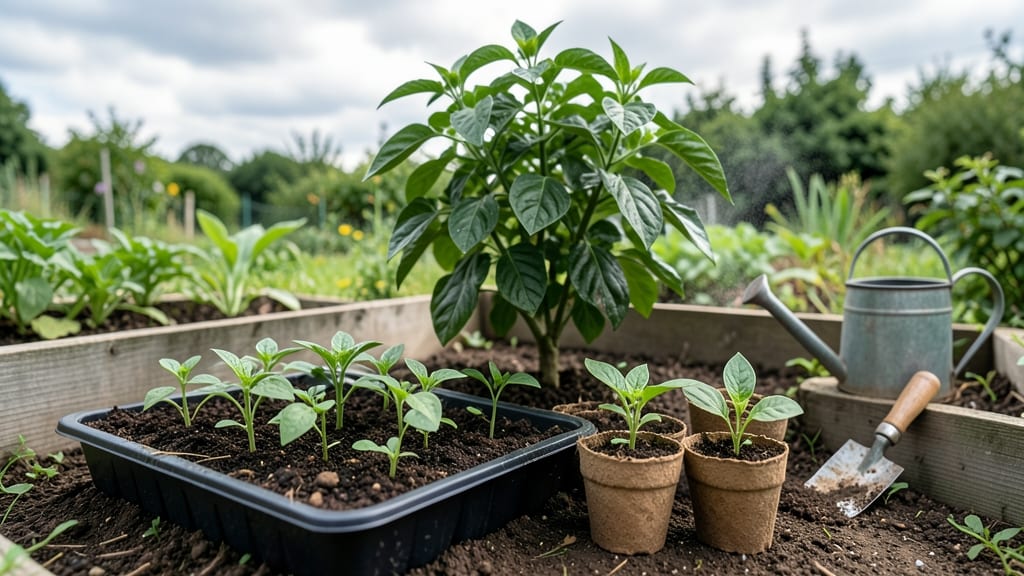
How to grow a black pepper plant from seed feels like bringing a piece of the tropics indoors. 🌿 The journey starts with tiny seeds that hold the potential for a fragrant vine—if you get the germination right, which is where most people stumble. My first attempt took three months of patience before the first sprout appeared, but now I have a thriving kitchen vine that produces real peppercorns.
You’ll need a warm, humid environment to mimic the pepper plant’s natural habitat—think 70-80°F and high humidity. Most people overlook this and wonder why their seeds won’t sprout. The secret is consistency: keep soil moist (not soggy) and cover seeds lightly with soil to encourage germination.
Once sprouted, these vines grow fast—up to 12 inches per month—if given the right care.
By the time your pepper plant reaches a year old, you’ll see those telltale white flowers and tiny green peppercorns forming. The first harvest might be small, but it’s the most rewarding part—snipping fresh peppers straight from your kitchen vine.
The key is keeping it happy: bright, indirect light and regular pruning to encourage bushiness.
Even in cooler climates, this works—just move your plant outside during summer months for stronger growth. The biggest mistake? Giving up too soon. Pepper plants are slow starters but worth the wait for that first harvest of homegrown spice.
📚 In This Guide
- What you need
- Instructions
- Tips and common mistakes
- Wrapping up and next steps
What you need
- ● Black pepper seeds – 5–10 fresh, high-quality seeds (look for organic or heirloom varieties for best results).
- ● Seed-starting mix – 2–3 cups of lightweight, well-draining potting soil (avoid garden soil—it’s too dense!).
- ● Small pots or seed trays – 2–4 3–4 inch diameter pots with drainage holes (or a seed tray with individual cells).
- ● Plastic wrap or humidity dome – To create a mini greenhouse and retain moisture.
- ● Spray bottle – For gentle watering (avoid over-saturating the soil).
- ● Grow lights or sunny windowsill – Black pepper plants need bright, indirect light (6–8 hours daily).
- ○ Fertilizer (optional but helpful) – A balanced, water-soluble fertilizer (e.g., 10-10-10) for young seedlings.
- ● Humidity tray or pebble tray – To maintain 70–80% humidity (critical for germination!).
- ● Patience and warmth! – Black pepper seeds thrive in 75–85°F (24–29°C) temperatures.
- ● Heating mat – Speeds up germination if your home is cooler than 70°F (21°C).
- ● pH testing kit – Ensures soil pH is 6.0–6.5 (slightly acidic).
- ● Trellis or support structure – For climbing varieties (black pepper vines can grow 10–20 feet!).
- ● Pruning shears – For shaping the plant as it grows.
- ● Journal or app – To track growth milestones and care notes.
Step-by-step instructions for growing black pepper plants from seed
Here’s how to turn a tiny pepper seed into a thriving tropical vine—no greenhouse needed.
🌱 Step 1: Soak and Plant Seeds in Warm, Moist Medium
Black pepper seeds have a tough outer shell, so I soak them in warm water for 24 hours to soften it. This speeds up germination from weeks to just 7-14 days. Drain and plant 2-3 seeds per 4-inch pot (you’ll thin later) in moistened peat moss or coconut coir—these stay damp without waterlogging.
Press seeds ½ inch deep into the mix, then lightly cover with more medium. Pepper seeds need warmth to germinate, so place pots in a seedling heat mat or on top of your fridge (where it’s naturally warm). Keep the soil consistently moist but never soggy—pepper seedlings rot if they’re too wet.
☀️ Step 2: Provide Humid Heat and Bright Indirect Light
Once sprouts appear, move pots to a warm, humid spot (70-80°F is ideal). A clear plastic bag over the pot creates a mini greenhouse effect—just remove it daily for 10 minutes to prevent mold. Pepper seedlings need bright, indirect light (like an east-facing window) to avoid stretching.
If your home is cooler, supplement with a grow light kept 6 inches above the plants for 12-14 hours daily. Watch for leggy growth—this means the light’s too far away. Strong seedlings will have dark green, glossy leaves and sturdy stems within 4-6 weeks.
🪴 Step 3: Transplant and Train the Vine
After 8-10 weeks, when seedlings have 4-5 true leaves, transplant them into 5-gallon containers filled with well-draining potting mix (mix equal parts peat moss, perlite, and compost). Black pepper vines need strong support—install a trellis or bamboo stake at planting and gently tie the main stem to it as it grows.
Prune the vine once it reaches 3 feet tall to encourage bushier growth. Pinch off the top set of leaves just above a leaf node—this forces energy into lateral branches where future peppercorns will form. Keep the soil evenly moist (water when the top 1 inch feels dry) and fertilize monthly with a balanced liquid fertilizer (10-10-10).
⏰ Step 4: Flower, Pollinate, and Harvest Peppercorns
Patience is key—pepper plants take 12-18 months to produce flowers! When small white blossoms appear, hand-pollinate them with a soft brush to ensure fruit set. Keep the plant in full sun (6+ hours daily) and maintain 70-85°F temperatures—peppers drop buds in cold drafts.
Harvest green peppercorns when they’re firm and ½ inch wide (they’ll turn red if left on the vine). Dry them in a single layer on a screen for 2 weeks to develop their signature heat. Store in an airtight jar—your kitchen’s new spice source!
Tips & tricks for growing black pepper plants
Real talk: Growing black pepper from seed takes patience, but these tricks will help you avoid the most common pitfalls along the way.
Seed Prep Secret: After soaking seeds for 24 hours, gently rub them between two paper towels to help break down the tough outer shell. This little extra step can cut germination time by a few days. I also like to use filtered or rainwater for soaking—tap water's chlorine can inhibit sprouting.
Lighting Strategy: If you're using grow lights for the 12-14 hours daily, try a red-blue spectrum bulb—it mimics natural sunlight and promotes stronger seedlings. Position the light just 4-5 inches above the plants for the first 2 weeks, then gradually increase to 6 inches. Watch for leaves touching the light (they'll burn) and adjust height accordingly.
Transplanting Hack: When you transplant to 5-gallon containers at 8-10 weeks, make a small hole in the bottom of the pot first. This prevents waterlogging while keeping the roots happy. I also add a handful of worm castings to the potting mix—they're packed with nutrients that pepper plants love. The trellis should be installed before planting so you don't disturb the roots later.
Pruning Tip: For the first pruning at 3 feet tall, look for the third leaf node from the top to make your cut. This encourages branching where the plant will produce the most peppercorns. Save your pruned cuttings—you can propagate new plants from them if you want to expand your collection!
Pro Tips for Grow Black Pepper Plant From Seed
- Real talk: Growing black pepper from seed takes patience, but these tricks will help you avoid the most common pitfalls along the way.
- Seed Prep Secret: After soaking seeds for 24 hours, gently rub them between two paper towels to help break down the tough outer shell.
- Lighting Strategy: If you're using grow lights for the 12-14 hours daily, try a red-blue spectrum bulb—it mimics natural sunlight and promotes stronger seedlings.
Frequently asked questions
Got questions about growing black pepper from seed? You’re not alone—this tropical spice can be tricky for beginners! Here are answers to the most common queries to help you succeed.
How long does it take for black pepper seeds to germinate?
Black pepper seeds are notoriously slow to sprout, often taking 2–4 weeks (sometimes up to 3 months!) in warm, moist conditions. Keep them in a consistent 80–90°F (27–32°C) environment—patience is key! If they don’t sprout in 6 weeks, they may be dormant or non-viable. Try soaking seeds in warm water for 24 hours before replanting to boost germination.
When will my black pepper plant produce peppercorns?
Don’t expect harvests overnight! Black pepper plants are slow growers and typically take 3–5 years to mature and produce peppercorns. With ideal care (warmth, humidity, and support), you might see tiny green peppercorns in 2–3 years, but full production takes time. Indoor growers may need to wait longer—consider a greenhouse or outdoor tropical climate for faster results.
Can I grow black pepper indoors, or do I need a greenhouse?
Yes, but with caveats! Black pepper plants thrive in humidity (70%+) and warmth (70–90°F), making them tricky indoors unless you replicate tropical conditions. Use a humidifier, grow lights, and a self-watering pot to mimic their natural habitat. A greenhouse or sunroom is ideal, but determined indoor gardeners can succeed with extra TLC. Just be prepared for slower growth.
Why are my black pepper seedlings dying or turning yellow?
Yellowing leaves or wilting seedlings usually signal overwatering, poor drainage, or pests. Black pepper plants hate soggy roots—ensure pots have drainage holes and use well-draining soil. Check for fungus gnats or root rot (mushy stems). If leaves curl or drop, it could also be low humidity or nutrient deficiency. Adjust care and monitor closely—these plants are sensitive!
Can I use store-bought black peppercorns to grow a plant?
Unfortunately, no—most store-bought peppercorns are processed (cleaned, dried, or irradiated) and won’t sprout. For success, source fresh, organic black peppercorns from a specialty spice shop or online seed supplier. Look for labels like “for planting” or “organic whole peppercorns.” If you’re unsure, test a few seeds in water—if they sink and look plump, they’re worth trying!
Wrapping up and next steps
Growing black pepper from seed is a rewarding journey that brings a taste of the tropics to your home—literally!
With patience, the right conditions, and a little care, you’ll soon be harvesting your own spicy, aromatic peppers to elevate dishes and share with loved ones. Start small, stay consistent, and don’t forget to celebrate each milestone! 🌱✨
Ready to take the next step? Try propagating a few more seeds or experiment with other tropical herbs like cardamom or ginger—your kitchen garden is just getting started!