
Size
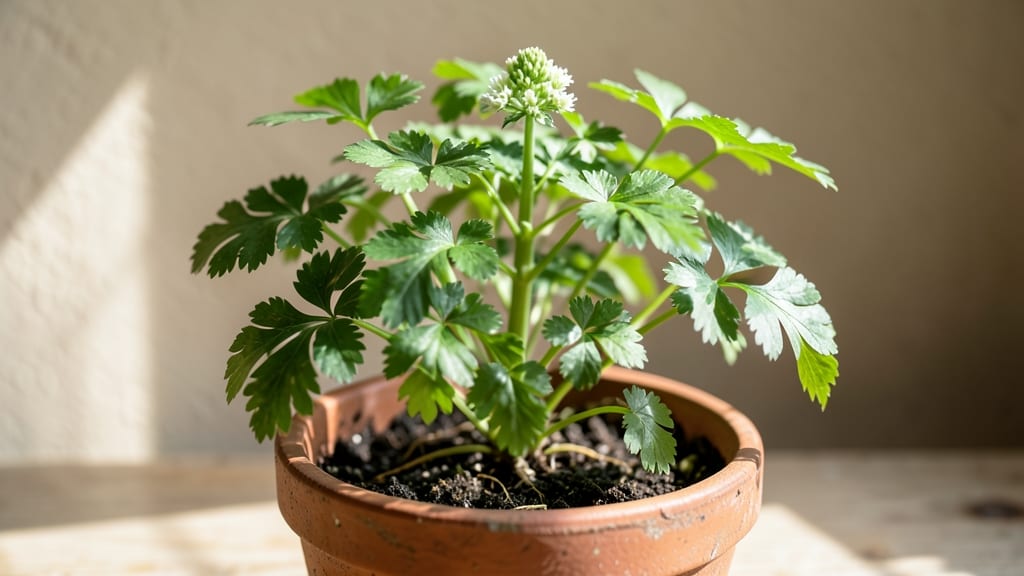
How to grow cilantro in Texas—it’s possible, even in the brutal heat, if you play by the rules of the Lone Star State’s climate. Texas heat turns cilantro into a bolting nightmare—but I’ve cracked the code. 🌱 The trick isn’t fighting the climate; it’s working with it by choosing the right varieties, timing, and care. My cilantro thrives here now, even when temps flirt with 90°F, and I’ll show you exactly how.
You’ll need heat-tolerant varieties like ‘Santo’ or ‘Calypso’, partial shade (especially midday), and consistent moisture to keep roots cool. Texas soil? Amend it with compost—our native clay drains poorly and bakes hard.
Plant in fall or early spring when temps dip below 80°F, and use shade cloth if summer sneaks up on you.
By following this method, you’ll snip fresh cilantro for months instead of weeks. The leaves stay tender, the flavor stays bright, and you’ll avoid the bitter, seed-studded disappointment that ruins so many Texas gardens. No more bolting—just steady harvests.
Works for containers too—perfect for patios or balconies where ground space is limited. Let’s get those seeds in the ground before the next heatwave hits!
📚 In This Guide
- What you need
- Instructions
- Tips and common mistakes
- Wrapping up and next steps
What you need
- ● Cilantro seeds: Heat-tolerant varieties like ‘Santo’ or ‘Calypso’ (1–2 packets, ~100–200 seeds total).
- ● Containers or garden bed: For containers: 5–6" deep pots (2–4 per batch) with drainage holes.
- ● For in-ground: Full-sun spot (6+ hours/day) with well-draining soil.
- ● Potting mix: Lightweight, organic blend (e.g., 50/50 garden soil + compost).
- ● Watering can or hose: With a gentle spray nozzle for even moisture.
- ○ Shade cloth (optional but helpful): 30–50% coverage for afternoon sun protection.
- ● Timing: Sow seeds in early spring (Feb–March) or fall (Sept–Oct) to avoid extreme heat.
- ● Soil pH: Aim for 6.2–6.8 (test with a kit or amend with lime/sulfur if needed).
- ● Consistent moisture: Keep soil evenly damp (not soggy) to prevent bolting.
Step-by-step instructions for growing cilantro in Texas
Here’s how to keep cilantro thriving in Texas heat—no bolting, no frustration.
🌱 Step 1: Pick the Right Variety and Plant in Fall or Spring
Texas summers will turn cilantro into a bitter, seed-producing stalk in days, so skip spring planting after March. Instead, focus on heat-tolerant varieties like ‘Santo’ or ‘Calypso’—they handle 75-85°F better than standard types. Start seeds 6-8 weeks before your first frost (usually late September) or in early spring before temperatures climb past 70°F.
I like to plant in partial shade—morning sun and afternoon shade works best. If you must plant in full sun, use shade cloth (30-50%) to protect leaves from scorching. The key is keeping soil temps below 75°F at all times. If your garden gets hotter, move pots to a shadier spot by mid-morning.
💧 Step 2: Water Deeply and Keep Soil Consistently Moist
Cilantro hates dry soil—it bolts faster when stressed. Water deeply 1-2 times per week, aiming for 1 inch of moisture per week. The soil should feel damp 2 inches down but not soggy. I use a soaker hose or drip irrigation to avoid wetting leaves (which invites fungal diseases).
Here’s the thing—morning watering is critical. Wet leaves in the afternoon stay damp overnight, and Texas humidity creates the perfect conditions for cilantro rust or downy mildew. Water at 6-8 AM and let foliage dry by evening. You’ll know you’re doing it right when the soil surface looks slightly dry between waterings.
☀️ Step 3: Use Shade Cloth and Mulch to Regulate Temperature
Cover young plants with 30% shade cloth once temps hit 80°F—it buys you 2-3 extra weeks before bolting. Secure the cloth with stakes or clips so it doesn’t touch the leaves. I’ve found that white or silver cloth reflects more heat than black, keeping roots cooler. Remove the cloth by late afternoon to let plants harden off for evening temps.
Spread 2-3 inches of mulch (straw or shredded leaves) around plants to insulate soil and retain moisture. Mulch also blocks weeds, which compete for water and nutrients. Replenish mulch every 3-4 weeks—it breaks down fast in Texas heat. The goal is to keep soil temps below 75°F and moisture levels steady.
✂️ Step 4: Harvest Regularly to Encourage Bushier Growth
Harvest leaves every 7-10 days by snipping stems 1-2 inches above the base with clean scissors. This prevents the plant from sending energy to flower production (which triggers bolting). I like to harvest outer leaves first, leaving the inner growth to keep producing. If you let it grow too tall, the stems toughen and flavor weakens.
For a continuous supply, sow new seeds every 2 weeks in fall or early spring. Cilantro bolts quickly even under ideal conditions, so staggered plantings ensure you always have fresh leaves. If a plant starts flowering, pull it immediately—it won’t recover, and its seeds will cross-pollinate with future crops.
🌿 Step 5: Extend the Season With Containers and Succession Planting
Move pots to shadier spots as summer approaches—even a north-facing patio works. Containers also let you rotate crops easily. I use 5-gallon buckets with drainage holes and fill them with 50% potting mix and 50% compost for extra nutrients. This setup keeps roots cooler and gives you control over watering.
To keep cilantro growing through winter, protect plants with row covers on cold nights (below 32°F). Remove covers during the day to prevent overheating. With this method, I’ve had cilantro thriving in December and January—just don’t expect it to survive hard freezes without extra protection.
Tips & tricks for growing cilantro in Texas
These heat-proof strategies will help you grow cilantro that stays fresh and flavorful all season long.
Variety Selection: When choosing between ‘Santo’ and ‘Calypso’, I’ve found ‘Calypso’ handles Texas heat slightly better—it stays green longer when soil temps hit that critical 75°F threshold. For even more resilience, mix seeds with coriander (the same plant at different stages)—this way, you get fresh leaves while some plants bolt. Just remember to harvest the cilantro before it flowers to prevent bitter flavors.
Shade Strategy: The moment your thermometer hits 80°F, it’s time for shade cloth. I use 30% shade cloth during peak afternoon sun (around 12-3 PM), then remove it by late afternoon to let plants harden off. For containers, I’ve had success with white shade cloth—it reflects more heat than silver, keeping roots cooler. Pro tip: Secure the cloth with clothespins or zip ties so it doesn’t flap and damage leaves.
Watering Hack: Here’s what nobody tells you—cilantro’s roots need 1 inch of moisture per week, but Texas clay soil can’t hold moisture like regular soil. I’ve switched to drip irrigation on a timer set for 15 minutes every morning at 6 AM and 15 minutes every evening at 6 PM. This mimics natural rainfall patterns and prevents the soil from drying out between waterings. The key is keeping that 2-inch deep dampness without waterlogging.
Harvesting Timing: Those 7-10 day harvest intervals are non-negotiable for Texas growers. I harvest on Mondays and Thursdays to stay consistent—this prevents the plant from getting too leggy. Use clean scissors or pruning shears and always cut just above a leaf node. This encourages bushier growth and keeps your cilantro producing for weeks longer than single-stem harvests would.
Pro Tips for Grow Cilantro In Texas
- These heat-proof strategies will help you grow cilantro that stays fresh and flavorful all season long.
- Variety Selection: When choosing between ‘Santo’ and ‘Calypso’, I’ve found ‘Calypso’ handles Texas heat slightly better—it stays green longer when soil temps hit that critical 75°F threshold.
- Shade Strategy: The moment your thermometer hits 80°F, it’s time for shade cloth.
Frequently asked questions
Got questions about growing cilantro in Texas?
You’re not alone—this herb can be tricky in our hot climate! Here are answers to the most common concerns to help you grow lush, bolt-resistant cilantro all season.
Why does my cilantro bolt so fast in Texas?
Texas heat triggers bolting (flowering) quickly. Cilantro prefers cooler temps (60–70°F), so it reacts to our summer heat by shooting up stems. To delay bolting, plant in early spring or fall, use shade cloth (30–50%), or opt for heat-tolerant varieties like ‘Santo’ or ‘Calypso’.
Can I grow cilantro year-round in Texas?
Not easily! While cilantro grows best in spring/fall, you can try winter crops (Nov–Feb) in cooler zones (North Texas) or use containers to move plants to shade during peak heat. Summer growth is possible with constant shade and frequent watering, but bolting is likely. For a steady supply, succession plant every 2–3 weeks.
How often should I water cilantro in Texas heat?
Consistent moisture is key—water daily in summer (1–1.5 inches/week) and every other day in extreme heat. Let the top inch of soil dry slightly between waterings to prevent root rot, but avoid drought stress, which speeds up bolting. Mulch with straw to retain moisture and keep roots cool.
What can I plant with cilantro to keep it from bolting?
Companion planting helps! Try these pairings:
- Lettuce or spinach: Shares similar water needs and provides light shade.
- Carrots or onions: Deters pests like aphids that stress cilantro.
- Marigolds: Repels bolting-triggering insects.
Can I regrow cilantro from store-bought stems?
Yes! Place stems in a jar of water with roots submerged, then transfer to soil once new leaves sprout. For best results, use organic cilantro (non-organic may have growth inhibitors). This method works well for short-term harvests, but for long-term growth, start from seeds—store-bought regrowth often bolts faster.
Wrapping up and next steps
Growing cilantro in Texas might seem tricky—thanks to the heat and humidity—but with the right heat-resistant varieties, smart planting strategies, and a little patience, you can enjoy fresh, flavorful cilantro straight from your garden. 🌿 Whether you’re a seasoned gardener or a beginner, these tips will help you avoid bolting and keep your plants thriving all year.
Now that you’re armed with the know-how, roll up your sleeves and get planting! Start small with a few pots or a dedicated garden bed, and soon you’ll be harvesting cilantro like a pro. Happy growing—and enjoy those vibrant, zesty leaves in your favorite dishes!