
Size
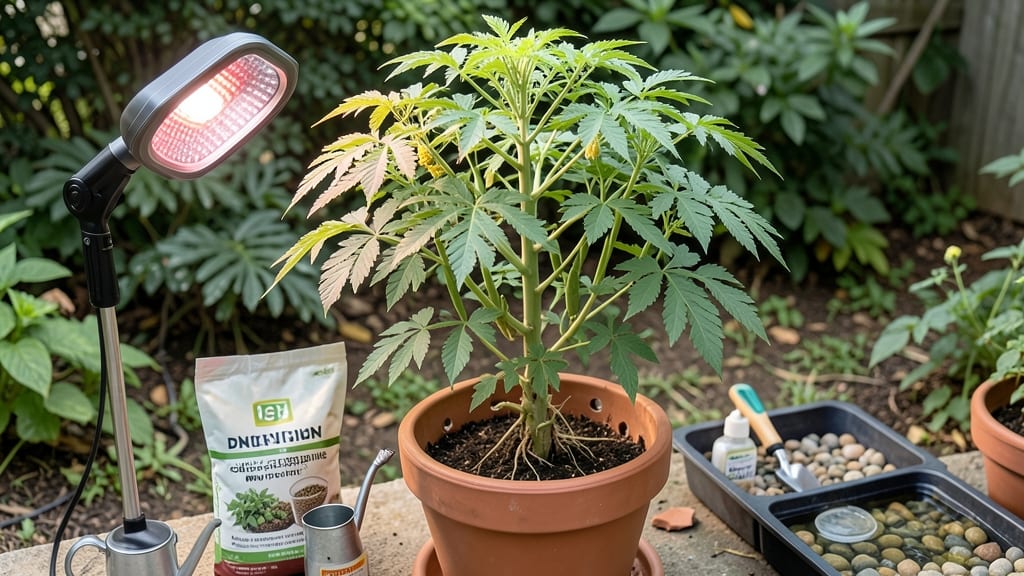
How to grow a moringa tree indoors is like having a fast-growing green thumb miracle in your kitchen. 🌱 The first time I saw fresh moringa leaves within 6 weeks of planting, I knew this wasn’t just another houseplant—it’s a nutrient-packed powerhouse that thrives in pots. No greenhouse or outdoor space needed. The secret lies in mimicking its tropical roots: bright light (a south-facing window or grow light), well-draining soil, and warmth (65-85°F). Most people overwater—moringa hates soggy roots, so let the top inch dry between waterings. A 5-gallon container gives it room to grow without crowding. By month three, you’ll snip leaves for smoothies, salads, or teas—packed with 7x the vitamin C of oranges and 4x the calcium of milk. The plant keeps producing for years if you prune regularly and fertilize lightly every 4-6 weeks. Perfect for small apartments, sunny balconies, or even kitchen counters. Here’s how to set it up without the guesswork!
📚 In This Guide
- What you need
- Instructions
- Tips and common mistakes
- Wrapping up and next steps
What you need
- ● Moringa seeds: 3–5 organic, non-GMO seeds (check for viability by soaking in water—sinkers are good!)
- ● Growing container: 1–2 small pots (6–8 inches deep) with drainage holes (or a self-watering planter)
- ● Potting mix: 2–3 cups of well-draining, nutrient-rich soil (use a cactus/succulent mix or add perlite/vermiculite to regular soil)
- ● Watering can or spray bottle: For gentle hydration (avoid overwatering!)
- ○ Grow lights (optional but helpful): 1–2 LED full-spectrum bulbs (12–16 hours/day) (if natural light is limited)
- ● Fertilizer: 1 tsp of balanced organic fertilizer (5-5-5 or similar) (mixed into soil or diluted for foliar spray)
- ● Humidity tray or pebble tray: To maintain moisture (especially in dry climates)
- ● Pruning shears: Small, sharp pair for trimming leaves/stems
- ● A sunny spot near a south- or west-facing window (or access to grow lights)
- ● Warmth: Ideal indoor temp: 70–85°F (21–29°C) (avoid drafts!)
- ● Patience: Germination takes 7–14 days—stay consistent!
- ● Space for growth: Moringa can reach 6–10 feet tall indoors (prune to control size)
Step-by-Step instructions for growing moringa tree indoors
Here's how to cultivate this nutrient-packed tree quickly in containers—no greenhouse needed.
🌱 Step 1: Select and Prepare Your Moringa Seeds
Moringa seeds germinate fastest when pre-soaked. Place 2-3 seeds per pot (you'll thin later) in a small container of lukewarm water for 6-12 hours. The seed coats are tough, so watch for the outer layer to soften noticeably—this means they're ready. I like to use a clear glass so I can see when they've absorbed enough moisture.
After soaking, drain the seeds and let them sit for 30 minutes to prevent rot. Plant them ½ inch deep in a 4-6 inch diameter pot filled with well-draining potting mix. Moringa hates soggy roots, so I always mix in 20% perlite or coarse sand to improve aeration. Press the soil gently around the seeds—just enough to keep them in place without compacting.
🌿 Step 2: Provide Warmth and Consistent Moisture
Moringa thrives in 75-85°F soil temperatures, so place your pot on a seedling heat mat or in a warm spot like near a south-facing window. Without warmth, germination can take 2-3 weeks instead of the usual 5-7 days. Keep the soil evenly moist but never waterlogged—stick your finger 1 inch deep; if it feels dry, water lightly.
Once sprouts emerge, reduce watering slightly. Moringa seedlings are sensitive to overwatering, which causes the stems to rot at the base. You'll know moisture is right when the soil surface looks slightly damp but not glistening. After 2-3 weeks, when seedlings reach 2 inches tall, thin to the strongest sprout per pot. Use clean scissors to snip the others at soil level—this prevents disturbing the remaining plant's roots.
☀️ Step 3: Move to Bright, Indirect Light
Moringa needs bright, indirect light for 6-8 hours daily to grow compact and sturdy. A south or west-facing window works best, but avoid harsh midday sun, which can scorch tender leaves. If your space lacks natural light, supplement with a grow light positioned 6-12 inches above the plant. You'll see leggy growth (long, pale stems) if light is insufficient—this is your cue to adjust.
Rotate the pot a quarter turn weekly so the plant grows evenly toward the light. Moringa leaves are highly sensitive to light deprivation; they'll turn yellow and drop if deprived. Once the plant reaches 12 inches tall, you can gradually introduce 2-3 hours of direct morning sun to harden it. Watch for leaf curl—this signals too much sun, so move it back slightly.
🪴 Step 4: Fertilize and Prune for Bushier Growth
Start fertilizing when the plant has 4-5 sets of true leaves (not the initial seed leaves). Use a balanced liquid fertilizer (10-10-10) diluted to half-strength every 4-6 weeks during the growing season. Moringa is a heavy feeder but sensitive to salt buildup, so always water thoroughly after fertilizing to flush excess nutrients. I also add a ¼ teaspoon of Epsom salt per gallon of water monthly to boost magnesium levels.
Pinch back the tips of new growth when the plant reaches 18 inches tall to encourage bushier growth. Use your fingers to gently remove the top ¼ inch of the main stem. This triggers lateral branching, which increases leaf production—the part of the plant packed with nutrients. Prune again after 6 weeks to maintain shape and promote continuous harvests.
✂️ Step 5: Harvest and Maintain for Continuous Growth
You can start harvesting leaves when the plant is 6-8 inches tall, but wait until it has at least 6-8 sets of mature leaves for best flavor and nutrient content. Snip leaves with clean scissors or pinch them off by hand, leaving ½ inch of stem attached. Harvest no more than ⅓ of the plant at once to avoid stressing it. I like to harvest every 2-3 weeks—this encourages new growth and keeps the plant productive.
Moringa grows remarkably fast, so you'll need to repot it every 6-12 months or when roots circle the pot. Choose a container 2-4 inches larger in diameter and use fresh potting mix. The plant handles repotting well, so don't hesitate to upgrade its space. With proper care, your moringa tree can grow 6-10 feet tall indoors and produce leaves year-round—making it one of the fastest and most rewarding indoor edible plants to grow.
Tips & tricks for growing moringa indoors
Here's what I've learned from growing moringa trees indoors—these tricks speed up germination and keep your plant thriving.
Soaking Secret: For the 6-12 hour soaking period in Step 1, I recommend using a clear glass container so you can visually confirm when the seed coats soften. This prevents over-soaking, which can lead to rot. After draining, let the seeds air-dry for those 30 minutes—this crucial step prevents fungal issues down the line. I've found that using lukewarm water (around 85°F) speeds up the hydration process without shocking the seeds.
Lighting Strategy: The 6-8 hours of bright indirect light in Step 3 is non-negotiable for compact growth. If you notice leggy stems, it's a clear sign your plant needs more light. I use a grow light on a timer for consistency, positioning it 6-12 inches above the plant. For natural light, south-facing windows work best, but avoid placing your moringa in direct midday sun until it reaches 12 inches tall—that's when you can introduce those 2-3 hours of morning sun to harden it.
Pruning Precision: When pinching back growth at 18 inches tall in Step 4, focus on removing just the top ¼ inch of new growth. This triggers bushier growth without shocking the plant. I've seen moringa plants produce up to 30% more leaves after proper pruning. Remember to prune again after 6 weeks to maintain that shape and encourage continuous harvests—this keeps your plant productive year-round.
Harvesting Hack: For the first harvest at 6-8 inches tall, wait until you see 6-8 sets of mature leaves to ensure maximum nutrient content. I use clean scissors to snip leaves, leaving ½ inch of stem attached—this prevents damaging the plant. Harvesting every 2-3 weeks encourages new growth, but never take more than ⅓ of the plant at once. This balance keeps your moringa thriving while still providing you with fresh leaves.
Pro Tips for Grow Moringa Tree Indoors
- Here's what I've learned from growing moringa trees indoors—these tricks speed up germination and keep your plant thriving.
- Soaking Secret: For the 6-12 hour soaking period in Step 1, I recommend using a clear glass container so you can visually confirm when the seed coats soften.
- Lighting Strategy: The 6-8 hours of bright indirect light in Step 3 is non-negotiable for compact growth.
Frequently asked questions
Got questions about growing moringa indoors? You’re not alone! Here are answers to the most common concerns—so you can grow this nutrient-packed plant like a pro.
How long does it take for moringa to grow indoors?
With the right care, your moringa tree can reach 3–6 feet tall indoors in 6–12 months. Young plants grow quickly (up to 1–2 feet in 3 months) if given plenty of light, warmth (70–85°F), and consistent watering. Patience pays off—harvesting leaves starts as early as 2–3 months after germination!
Can I grow moringa from seeds or cuttings?
Both work! Seeds are the easiest for beginners—sprout in 5–10 days with warmth and moisture. Cuttings (from a healthy branch) root faster (2–4 weeks) if dipped in rooting hormone and kept humid. Pro tip: Seeds may take longer to mature, while cuttings give you an instant head start!
Why is my moringa tree dropping leaves?
Leaf drop usually signals stress from overwatering, underwatering, or cold drafts. Check the soil—it should stay lightly moist (not soggy). Move your plant away from AC vents or windowsills below 60°F. Yellow leaves? Too much water. Brown, crispy edges? Needs hydration. Adjust care and monitor!
What’s the best indoor pot size for moringa?
Start with a 5–7 inch pot for seedlings, then upgrade to 10–12 inches as the tree grows. Moringa has shallow but sprawling roots, so prioritize width over depth. Use drainage holes to prevent root rot, and repot every 6–12 months to refresh soil nutrients.
Can I grow moringa without sunlight?
Moringa is a sun-loving plant, but you can supplement with 12–16 hours of grow lights daily (LED or fluorescent). Place lights 6–12 inches above the plant. Without enough light, growth slows, leaves yellow, and stems stretch weakly. A sunny windowsill (south-facing) is ideal—just rotate the pot weekly for even growth!
Wrapping up and next steps
Growing a moringa tree indoors is a rewarding journey that brings fresh, nutrient-packed leaves right to your kitchen! With the right light, soil, and care, you’ll enjoy a thriving plant in just weeks—no green thumb required. 🌱
Now that you’re armed with tips and troubleshooting tricks, take the next step: grab your seeds, a sunny spot, and start nurturing your own superfood garden. Watch it grow, harvest, and savor the benefits of this fast-growing miracle plant—your future self (and taste buds!) will thank you. 💚