
How To
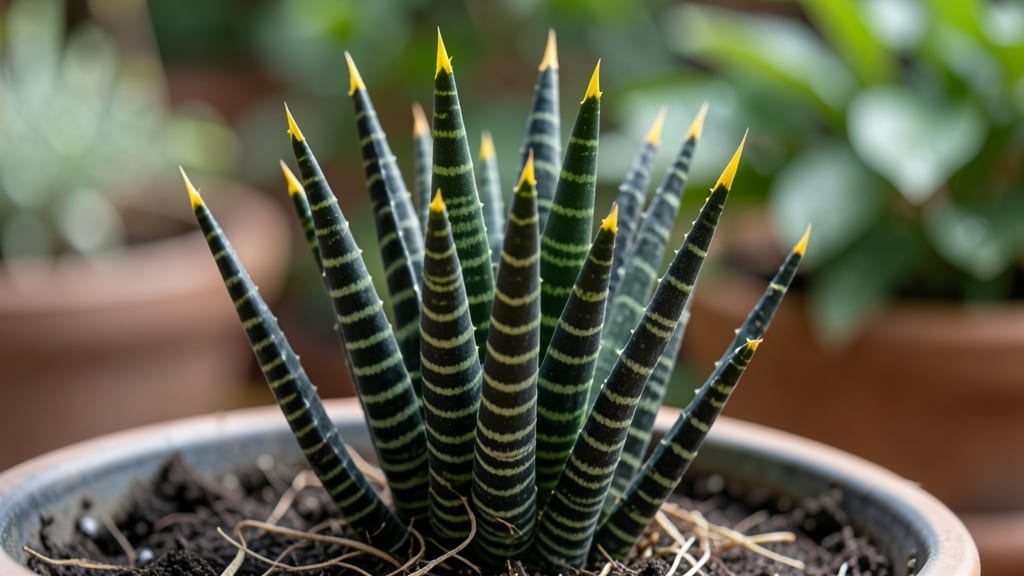
How to make snake plants grow tall might surprise you—it’s all about light and soil. 🌱 I’ve watched mine stretch from stubby clumps to towering, architectural stalks by adjusting just two things: where it sits and what’s in its pot. Snake plants crave bright, indirect light (think east or north windows) but will grow tallest in medium light—too much sun burns the tips, too little makes them flop. The soil mix matters too: fast-draining, sandy, or cactus blend keeps roots happy and stems reaching upward. Overwatering is the real villain—it causes those sad, squat leaves. With the right setup, you’ll see 6-12 inches of vertical growth per year, and those leaves stay stiff and upright. The key is patience—these plants grow slow but strong, like a living sculpture. Let’s fix that leggy look!
📚 In This Guide
- What you need
- Instructions
- Tips and common mistakes
- Wrapping up and next steps
What you need
- ● Snake Plant (Sansevieria spp.) – Choose a healthy, mature plant (var. 'Laurentii,' 'Futura,' or 'Hahnii' work great for height!).
- ● Pot with drainage holes – Size: 1–2 inches larger in diameter than the root ball (e.g., 6–8" for small plants, 10–12" for established ones). Material: Terracotta (breathable) or ceramic (aesthetic + functional).
- ○ Well-draining potting mix – Blend: 50% cactus/succulent soil + 30% perlite/pumice + 20% coarse sand or orchid bark. Optional: Add 10% worm castings for nutrients.
- ● Gravel or pebbles – Quantity: 1–2 inches for the pot’s base layer (prevents root rot).
- ● Watering can with a narrow spout – Tip: Avoid overhead watering to keep leaves crisp.
- ● Pruning shears or sharp scissors – Use: Sterilized for trimming dead leaves or propagating.
- ○ Grow lights (optional but helpful) – Type: LED full-spectrum bulbs (10,000–20,000 lux) if natural light is low.
- ● Bright, indirect light – Minimum: 6+ hours of sunlight daily (east or west-facing windows ideal). No direct sun: Can scorch leaves.
- ● Warmth & humidity control – Temp range: 60–85°F (15–29°C). Humidity: 40–50% (snake plants tolerate dry air but thrive with occasional misting).
- ● Patience & consistency – Tall growth takes time (6–12 months for noticeable height gains!).
Tips & tricks for towering snake plants
Here's what nobody tells you about maximizing your snake plant's vertical potential—these are the details that separate a modest plant from a showstopper.
Light Exposure Strategy: In Step 1, when positioning your snake plant, pay special attention to the quality of light—not just quantity. The 4-6 hours of indirect light should be bright but diffused, like through a sheer curtain. I've seen plants grow twice as tall when placed near a south-facing window with sheer fabric between the glass and the plant. This mimics their natural habitat under forest canopies while preventing leaf scorch from direct rays.
Soil Composition Insight: The 50/50 mix of cactus/succulent soil and perlite/pumice in Step 2 isn't just about drainage—it's about creating the perfect air-to-soil ratio. I recommend adding a handful of orchid bark to this mix (optional) for even better aeration. This helps roots establish deeper, stronger structures that support taller growth. The key is to compress the mix gently after repotting—this removes air pockets that could cause uneven moisture distribution.
Watering Technique: When you're checking that 2-inch soil depth in Step 3, here's the pro move: insert your finger at a slight angle rather than straight down. This gives you a better sense of moisture distribution throughout the soil profile. I've noticed plants with more consistent height growth when watered this way because it prevents localized soggy spots that can cause uneven development. Also, always water in the morning—this gives the plant's leaves time to dry completely, reducing humidity-related stress that can stunt growth.
Pruning Precision: The one-third reduction of leggy stems in Step 4 is where you'll see the most dramatic height improvements. When you're making these cuts, look for the leaf nodes—these are the small bumps where leaves emerge. Cutting just above a node (about 1/4 inch above) ensures new growth will sprout from that point, creating a bushier base that supports taller stems. I've seen plants that were previously top-heavy become beautifully balanced within just 6 weeks after this pruning technique.
Pro Tips for Make Snake Plants Grow Tall
- Here's what nobody tells you about maximizing your snake plant's vertical potential—these are the details that separate a modest plant from a showstopper.
- Light Exposure Strategy: In Step 1, when positioning your snake plant, pay special attention to the quality of light—not just quantity.
- Soil Composition Insight: The 50/50 mix of cactus/succulent soil and perlite/pumice in Step 2 isn't just about drainage—it's about creating the perfect air-to-soil ratio.
Frequently asked questions
Got questions about helping your snake plant reach new heights? You’re not alone! Here are answers to the most common queries—so you can grow a towering snake plant with confidence.
Why isn’t my snake plant growing taller?
Snake plants grow slowly, but if they’re staying stubby, check these culprits: low light (they need bright, indirect sunlight), root-bound pots (repot every 2–3 years), or overwatering (let soil dry completely between waterings). Yellow leaves? That’s a red flag!
How long does it take for snake plants to grow tall?
Patience is key! With ideal care, expect 1–2 inches of growth per year, though some varieties (like Sansevieria trifasciata ‘Hahnii’) grow faster. Tall varieties (e.g., ‘Futura Superba’) can reach 6–8 feet over 5–10 years—so keep nurturing!
Can I use tap water to help my snake plant grow taller?
Tap water can work, but fluoride and chlorine may harm roots over time. For faster, healthier growth, use rainwater, distilled water, or filtered water. If you’re stuck with tap water, let it sit out for 24 hours before watering to reduce chemicals.
What’s the best soil mix for tall snake plants?
Snake plants thrive in well-draining, slightly gritty soil. Mix 1 part cactus/succulent soil with 1 part perlite or pumice for aeration. Avoid heavy garden soil—it traps moisture and stunts growth. Pro tip: Add a chunk of charcoal to prevent rot!
My snake plant’s leaves are bending or leaning—what’s wrong?
Leaning or bending leaves usually mean your plant is reaching for light. Move it to a brighter spot (but avoid direct sunburn). If the soil feels soggy, reduce watering—root rot can weaken stems. Rotate the pot occasionally for even growth!
Can I grow snake plants tall indoors vs. outdoors?
Indoors:
Place near east or north windows for bright, indirect light. Outdoors: Choose a sheltered spot (like a patio) with morning sun and afternoon shade. Outdoor plants may grow 2x faster but need winter protection in cold climates.
Wrapping up and next steps
Growing tall, thriving snake plants is all about patience, the right conditions, and a little TLC! 🌱 With the perfect balance of bright, indirect sunlight, well-draining soil, and occasional pruning, your snake plant will reward you with those stunning, towering stems you’ve always dreamed of.
Remember, consistency is key—your plant will thank you with lush, healthy growth over time.
Now that you’re armed with these tips, watch your snake plant reach new heights! Ready to take it further? Experiment with different pots or fertilizers to see what works best for your unique space. Happy planting! 🌿✨