
Propagation
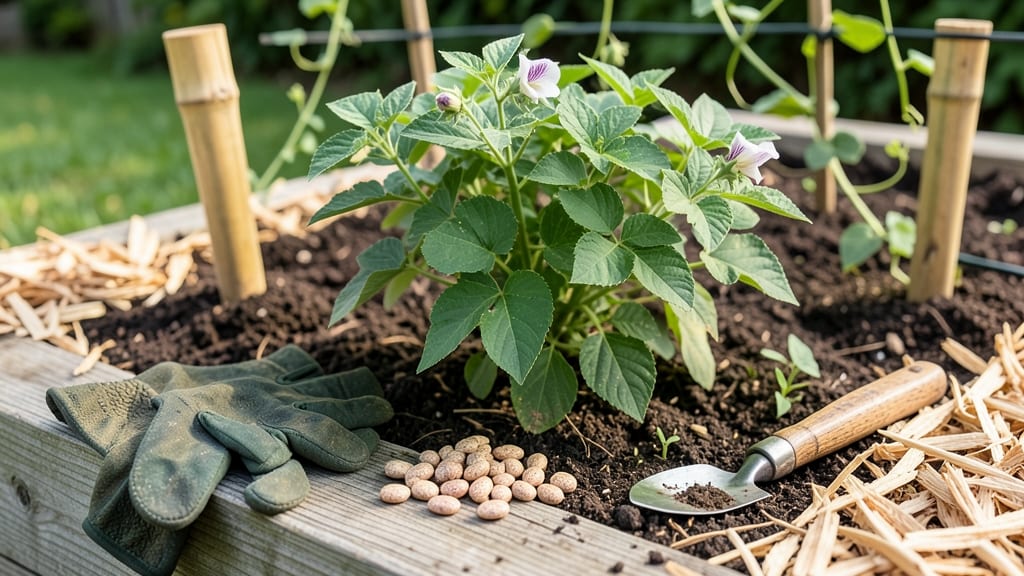
Here’s how to grow pinto beans from seeds—a fast, rewarding process that yields delicious harvests in just 3-5 days for sprouting, faster than most garden beans. 🌱 I’ve grown them for years, and this heirloom variety never disappoints, even with my inconsistent watering.
The secret? Warm soil, proper spacing, and a little patience for those first tender leaves to unfurl.
You’ll need a sunny spot (6+ hours of light), loose soil mixed with compost, and seeds planted 1 inch deep, 3-4 inches apart. Pinto beans climb naturally, so provide a trellis or let them sprawl—either way, they’ll produce plump, speckled beans by midsummer if given consistent moisture.
The key is keeping the soil damp but not soggy.
By late summer, you’ll be harvesting 1-2 inches of pod at a time, with plants producing for weeks. The flavor? Richer than store-bought, with a satisfying crunch when fresh. Plus, they fix nitrogen in the soil, feeding future crops—nature’s built-in fertilizer.
Works in containers or ground beds, and pairs well with corn and squash. Here’s how to avoid common pitfalls like powdery mildew or stunted growth—so you end up with a bountiful harvest, not a sad little bush.
📚 In This Guide
- What you need
- Instructions
- Tips and common mistakes
- Wrapping up and next steps
What you need
Growing pinto beans from seeds is a rewarding and straightforward process! Before you dive in, gather these essential materials and tools to ensure a smooth start. Whether you're a beginner or a seasoned gardener, having the right supplies makes all the difference. Here’s your
Step-by-step instructions for growing pinto beans from seeds
Pinto beans are one of the fastest-growing legumes—here’s how to get them sprouting in just 3-5 days.
🌱 Step 1: Soak Seeds Overnight for Faster Germination
Place 4-6 pinto bean seeds in a bowl and cover them with warm water (about 80°F). Let them soak for 12 hours—this softens the tough outer shell and triggers faster germination. You’ll see them swell noticeably, which means they’re ready to plant.
After soaking, drain the water and let the seeds sit in a colander for 30 minutes to dry slightly. This prevents them from rotting in damp soil. Here’s the thing—pinto beans germinate best when the soil stays consistently warm, so if your climate runs cool, consider planting them in black plastic mulch to raise soil temperature.
☀️ Step 2: Plant in Warm, Well-Drained Soil
Choose a sunny spot with full sun (at least 6-8 hours daily) and soil that drains well—pinto beans hate soggy roots. If your soil is heavy clay, mix in 2-3 inches of compost to improve drainage. Plant seeds 1 inch deep and 3-4 inches apart in rows spaced 18 inches apart for proper air circulation.
I like to plant them in early summer when soil temperatures reach 65°F or warmer. If you’re in a cooler zone, wait until after the last frost or use a seedling heat mat to keep the soil warm. You’ll know the seeds are in the right spot when the soil feels warm to the touch—like a cozy bath for your beans.
💧 Step 3: Keep Soil Consistently Moist (But Not Wet)
Water the soil gently but deeply right after planting to settle the seeds in place. Pinto beans need 1-1.5 inches of water per week, but they’re drought-tolerant once established. The key is keeping the soil evenly moist during germination—if it dries out, the seeds may fail to sprout.
Once the seedlings emerge (usually 3-5 days after planting), reduce watering slightly but keep the soil from drying out completely. You’ll see the first true leaves appear in 7-10 days, signaling that the roots are anchoring well. Real talk: Overwatering now is the biggest mistake—it causes rot before the plants can establish.
✂️ Step 4: Support Vines and Thin for Better Yield
When seedlings reach 6 inches tall, install trellises or stakes to support their climbing habit. Pinto beans grow 4-6 feet tall, so sturdy support prevents vines from flopping and improves airflow, reducing disease risk. I use bamboo stakes because they’re affordable and easy to drive into the ground.
If you planted multiple seeds per hole, thin the seedlings to one strong plant per spot when they’re 3-4 inches tall. This gives them room to grow without competing for nutrients. You’ll know which to keep—they’ll have thick stems and vibrant green leaves rather than leggy, pale growth.
🌿 Step 5: Harvest at Peak Maturity for Best Flavor
Pinto beans are ready to harvest when pods are plump but still firm, usually 60-80 days after planting. Check pods every 2-3 days—once they turn brown or dry out, they’ll toughen up and split open. The best time to pick is late morning when the pods are fully hydrated.
Harvest by gently twisting the pods from the vine—don’t pull them, or you might damage the plant. You’ll get 4-6 harvests per plant if you keep up with picking. Store fresh pods in the fridge for 3-5 days or dry them for long-term storage. Here’s the reward: Homegrown pinto beans have richer flavor and creamier texture than store-bought.
Tips & tricks for perfect pinto bean germination
These little-known tricks will help you beat the 3-5 day germination window and grow thriving pinto bean plants every time.
Soaking Secret: The 12-hour soak at 80°F is non-negotiable for breaking dormancy, but here's what nobody tells you—use a glass jar instead of a bowl. This lets you monitor the seeds more easily as they swell. If you see any seeds floating after 12 hours, discard them—they won't germinate. Also, I add a pinch of sea salt to the warm water (about 1 teaspoon per gallon) to prevent bacterial growth during that critical soaking period.
Soil Temperature Hack: Pinto beans are famously sensitive to cold soil, but there's a trick to test if your planting spot is warm enough: Press your hand into the soil about 2 inches deep. If it feels warm to your touch (like a cozy bath), you're good to go. If it feels cool, either wait a few more days or use a seedling heat mat for 24 hours before planting. Trust me on this—cool soil is the #1 reason seeds fail to sprout.
Watering Precision: The 1-1.5 inches of water per week guideline is perfect, but timing matters more than you think. Water in the early morning so the soil has all day to absorb moisture before evening evaporation. I use a rain gauge to measure exactly 1.5 inches—this prevents both underwatering (which stunts germination) and overwatering (which causes rot). Pro tip: Water at the base of plants rather than overhead to prevent fungal diseases that thrive in damp foliage.
Germination Timeline: That 3-5 day window for sprouting is actually a range—here's how to read the signs. After planting, check daily for tiny white sprouts emerging from the soil. If you don't see them within 5 days, gently loosen the soil around the planting area with your fingers (don't dig) to encourage oxygen flow. Most seeds will sprout within 7 days if conditions are right, but if nothing appears by day 10, they may have rotted—start over with fresh seeds.
Pro Tips for Grow Pinto Beans From Seeds
- These little-known tricks will help you beat the 3-5 day germination window and grow thriving pinto bean plants every time.
- Soaking Secret: The 12-hour soak at 80°F is non-negotiable for breaking dormancy, but here's what nobody tells you—use a glass jar instead of a bowl.
- Soil Temperature Hack: Pinto beans are famously sensitive to cold soil, but there's a trick to test if your planting spot is warm enough: Press your hand into the soil about 2 inches deep.
Frequently asked questions
Got questions about growing pinto beans from seeds? You’re not alone! Here are some of the most common queries—plus quick, practical answers to help you succeed.
How long does it take for pinto bean seeds to germinate?
Pinto beans are fast germinators! With warm soil (70–85°F), you’ll see sprouts in 5–10 days. Keep the soil moist but not soggy—consistency is key. If germination takes longer than 2 weeks, check seed viability or soil temperature.
When is the best time to plant pinto bean seeds?
Plant after the last frost when soil is at least 60°F. In warm climates, aim for early spring or late summer (they tolerate heat better than cold). For cooler areas, wait until nighttime temps stay above 50°F to avoid stunted growth.
Can I grow pinto beans in containers or just in the ground?
Pinto beans thrive in containers (like 5-gallon buckets) as long as they have 6+ inches of deep soil and support for vines. Use well-draining soil, and place pots in full sun. Just ensure the container is wide enough—beans spread 18–24 inches as they grow.
What should I do if my pinto bean plants get pests or diseases?
Common issues include bean beetles, aphids, or fungal spots. For pests, spray with neem oil or introduce ladybugs. Improve airflow to prevent mildew, and rotate crops next season. If leaves yellow, check for overwatering—beans prefer slightly dry soil.
Do pinto beans need a trellis, or can they grow bush-style?
Pinto beans are bush-type (not pole beans), so they don’t require a trellis—but one can help save space and improve airflow. If growing upright, plant seeds 1–2 inches deep and 4–6 inches apart. For bush varieties, leave 3–4 inches between plants for airflow.
Wrapping up and next steps
Growing pinto beans from seeds is a rewarding journey that brings fresh, flavorful harvests to your table—and it’s easier than you think! 🌱 With the right soil, spacing, and care, you’ll enjoy a bountiful crop in just a few months.
Now that you’re armed with tips and troubleshooting advice, why not plant your seeds today and take the first step toward a thriving garden? Next, explore how to preserve your harvest or share your progress with fellow gardeners—happy growing!