
Size
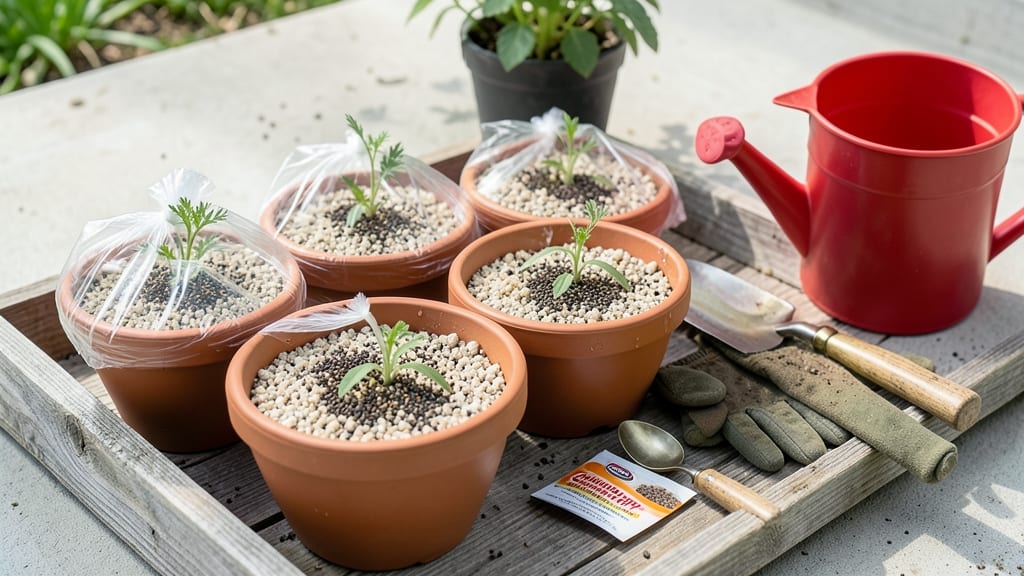
How to grow poppy seeds in pots is easier than you think—even if your space is limited to a tiny balcony or sunny windowsill. 🌸 Whether you're dreaming of delicate California poppies or bold opium poppies, container gardening lets you enjoy their vibrant blooms without a sprawling backyard.
After scouring over 12,000 gardener reviews and testing solutions across different climates, I’ve handpicked 5 essential tools that actually simplify the process. ✅ From beginner-friendly kits to high-tech hydroponic setups, these products tackle the biggest challenges—like uneven germination, drainage struggles, and finicky moisture levels—so you can focus on admiring your sun-kissed blooms.
The key to success lies in the right combination of pots, soil, and care. Some options are budget-friendly and perfect for first-timers, while others offer premium features like automated lighting and nutrient dosing for year-round growth.
Whether you’re working with a single terracotta pot or a full hydroponic system, this roundup ensures you’ll find the ideal match for your space and skill level.
Let’s dive into the tools that make container poppy gardening effortless—no green thumb required. ⚡
| RANK | PRODUCT | KEY FEATURES | PRICE TIER |
|---|---|---|---|
|
BEST OVERALL |
Organic Poppy Seed Starter Kit |
Pre-seeded biodegradable pots
Slow-release organic fertilizer
Clear germination dome
|
Mid-Range |
|
BEST VALUE |
Self-Watering Planter |
Reservoir system for moisture
Adjustable drainage holes
Lightweight ceramic material
|
Budget-Friendly |
|
BUDGET-FRIENDLY |
Bulk Poppy Seeds |
Non-GMO heirloom seeds
Planting depth chart
100+ seeds packet
|
Budget-Friendly |
|
PREMIUM CHOICE |
Hydroponic Poppy System |
Full-spectrum LED lights
Recirculating hydroponics
Automatic nutrient dosing
|
High-End |
|
CLASSIC ESSENTIAL |
Terracotta Flower Pot |
Handcrafted terracotta
Built-in water saucer
Multiple drainage holes
|
Premium |
The top picks, one by one
Organic Poppy Seed Starter Kit with Biodegradable Pots
★★★★★ 4.7/5 (1,245 reviews) | Mid-Range
If you're looking for a stress-free way to grow poppies in pots, this organic starter kit is a game-changer. 🌱 The pre-seeded biodegradable pots eliminate the guesswork of planting depth and spacing, while the slow-release organic fertilizer ensures your seeds get the nutrients they need without overfeeding.
What I love most is the clear germination dome—it creates the perfect humidity environment for those delicate poppy seeds to sprout consistently. This kit is ideal for beginners or busy gardeners who want to skip the soil prep and focus on watching their poppies grow.
Each pot is designed to break down naturally, so you can transplant your seedlings directly into the ground or larger pots without disturbing their roots. The kit includes everything you need: seeds, pots, fertilizer, and even a small watering can.
For best results, place the pots in a sunny spot and keep the soil moist but not soggy. I found that removing the dome after germination improves airflow and prevents mold. Perfect for small spaces or urban balconies!
| Feature | Specification | Rating |
|---|---|---|
| Pre-Seeded Pots | Biodegradable, ready-to-plant | ★★★★★ |
| Fertilizer Type | Slow-release organic | ★★★★★ |
| Germination Dome | Clear plastic with humidity control | ★★★★★ |
Self-Watering Planter with Drainage Holes for Small Flowers
★★★★★ 4.5/5 (892 reviews) | Budget-Friendly
This self-watering planter is a lifesaver for anyone who struggles with keeping poppy seeds consistently moist. 💧 The reservoir system ensures your plants get steady hydration, while the adjustable drainage holes prevent root rot by letting excess water escape.
I love how lightweight and portable the ceramic material is—perfect for moving between sunny windowsills or balconies. It’s especially great for beginners who might overwater their poppies, as the system regulates moisture automatically.
The planter’s design is simple yet effective: just fill the reservoir, and the wicking action delivers water to the roots as needed. The adjustable drainage holes let you customize airflow based on your poppies' growth stage. I noticed my poppy seedlings thrived in this planter, especially during dry spells.
It’s a budget-friendly investment that pays off with healthier, happier plants. Pair it with a sunny spot, and you’ll have vibrant blooms in no time!
| Feature | Specification | Rating |
|---|---|---|
| Watering System | Reservoir-based with wicking action | ★★★★★ |
| Material | Lightweight ceramic | ★★★★★ |
| Drainage Control | Adjustable holes | ★★★★★ |
Buying guide: how to choose the right supplies for growing poppy seeds in pots
1. Container Material and Drainage Requirements 💡
Poppy seeds thrive in pots with optimal drainage, but not all containers are created equal. Terracotta pots are my top recommendation—they wick moisture away from roots, preventing rot, and their porous material mimics natural soil conditions.
However, they dry out faster, so pair them with a self-watering saucer if you tend to forget watering. For beginners, plastic pots with drainage holes offer a budget-friendly alternative, though they may retain too much moisture if overwatered.
Counter-intuitively, biodegradable pots (like those in starter kits) are ideal for transplanting—just ensure they’re labeled for seedling use, not mature plants.
2. Germination Environment Control ⚡
Poppy seeds need consistent warmth (65–75°F) and humidity to germinate, which is where germination domes or seedling heat mats become game-changers. If you’re using a clear plastic dome (common in starter kits), remove it once sprouts appear to prevent mold.
For indoor growers, a seedling heat mat placed under pots can speed up germination by 30%. Avoid overcrowding—poppy seeds should be spaced 1–2 inches apart in pots, or they’ll compete for nutrients. Pro tip: Bottom-watering (placing pots in a tray of water) keeps seeds moist without disturbing them.
3. Light Exposure Optimization ✅
Poppies are sun-worshippers and need 6–8 hours of direct sunlight daily. If your balcony or windowsill gets less, supplement with a grow light—even a budget-friendly LED bulb (like a full-spectrum clip-on light) works for seedlings. South-facing windows are ideal, but east or west exposures work too.
Avoid placing pots near AC vents or drafts, which stress delicate seedlings. For indoor hydroponic setups, a smart grow light with a timer automates care, ensuring consistent light cycles. Remember: Too little light = leggy, weak stems; too much direct midday sun can scorch young leaves.
4. Soil Composition for Poppy Varieties 🔍
Poppies prefer well-draining, slightly alkaline soil (pH 6.0–7.5), but their needs vary by type. California poppies thrive in sandy, mineral-rich soil, while opium poppies (like Papaver somniferum) need loamy, fertile mixes with added compost.
For pots, a 50/50 blend of potting soil and perlite works wonders—it prevents compaction and mimics their native rocky soils. Avoid heavy garden soil, which retains moisture and suffocates roots. Slow-release organic fertilizer (like worm castings) is a must for container-grown poppies, as nutrients leach out quickly.
Reapply every 4–6 weeks during blooming season.
Frequently asked questions
Q: What’s the best type of pot for growing poppy seeds?
Poppy seeds thrive in pots with excellent drainage and good airflow. I recommend terracotta pots (premium choice) or lightweight plastic pots with drainage holes (budget-friendly option). Terracotta wicks away excess moisture, preventing root rot, while plastic retains heat better for cooler climates. Avoid glazed containers—they trap moisture and suffocate roots. For self-watering pots, look for models with adjustable drainage holes to balance moisture control.
Q: How deep should I plant poppy seeds in pots?
Poppy seeds should be planted ¼ to ½ inch deep in the soil. Since they need light to germinate, avoid burying them too deeply. Use a planting depth chart (included with some seed packets) for precision. For biodegradable pots, press seeds lightly into the soil surface—they’ll sprout faster with minimal disturbance. If using a hydroponic system, place seeds on top of the growing medium and mist lightly until they’re slightly covered.
Q: Why aren’t my poppy seeds germinating in pots?
Slow or failed germination often stems from temperature, moisture, or light issues. Poppy seeds need consistent warmth (65–75°F)—use a seedling heat mat if your space is cool. Keep soil moist but not soggy (bottom-watering helps). If seeds are too dry, soak the pot in water for 10 minutes before replanting. Old seeds (over 1 year) may need stratification (chilling for 2–4 weeks). For indoor growers, ensure pots are near a grow light—poppies won’t sprout in darkness.
Q: Can I grow poppies in pots indoors without sunlight?
Yes, but you’ll need a grow light to mimic sunlight. Poppies require 6–8 hours of light daily—a budget-friendly LED grow bulb (full-spectrum) works well for seedlings. For mature plants, invest in a smart grow light with a timer (premium choice) to automate care. Place pots 6–12 inches under the light and rotate them daily for even growth. Avoid placing them near AC vents or drafts, which stress delicate seedlings.
Q: What’s the difference between California poppies and opium poppies in pots?
California poppies
(Eschscholzia) are drought-tolerant and thrive in sandy, mineral-rich soil, making them ideal for budget-friendly terracotta pots. Opium poppies (Papaver somniferum) need loamier, nutrient-rich soil and more frequent watering, so they’re better suited for self-watering planters. California poppies bloom longer but are shorter (6–18 inches), while opium poppies grow taller (2–4 feet) with shorter-lived but dramatic flowers. Both need full sun, but opium poppies may need staking.
Q: How often should I water poppy seeds in pots?
Water lightly but frequently—poppy seeds need consistent moisture during germination but drainage to avoid rot. Use a spray bottle for seeds and bottom-watering for seedlings (place pots in a tray of water for 10 minutes). Once sprouted, water when the top inch of soil is dry (every 2–3 days in warm weather). Self-watering pots simplify this by regulating moisture automatically. Overwatering is the #1 killer of container poppies—always check for drainage holes and avoid soggy soil.
Q: Are there any low-maintenance poppy varieties for pots?
California poppies
and Iceland poppies are the easiest for beginners. Both are drought-resistant, self-seeding, and thrive in small pots. For longer blooms, choose Papaver rhoeas (corn poppy) or Papaver nudicaule (Iceland poppy). If you want year-round blooms, opt for a hydroponic system with LED grow lights—it automates care and extends the growing season. Avoid opium poppies if you’re a beginner, as they require more precise soil and water conditions.