
Size
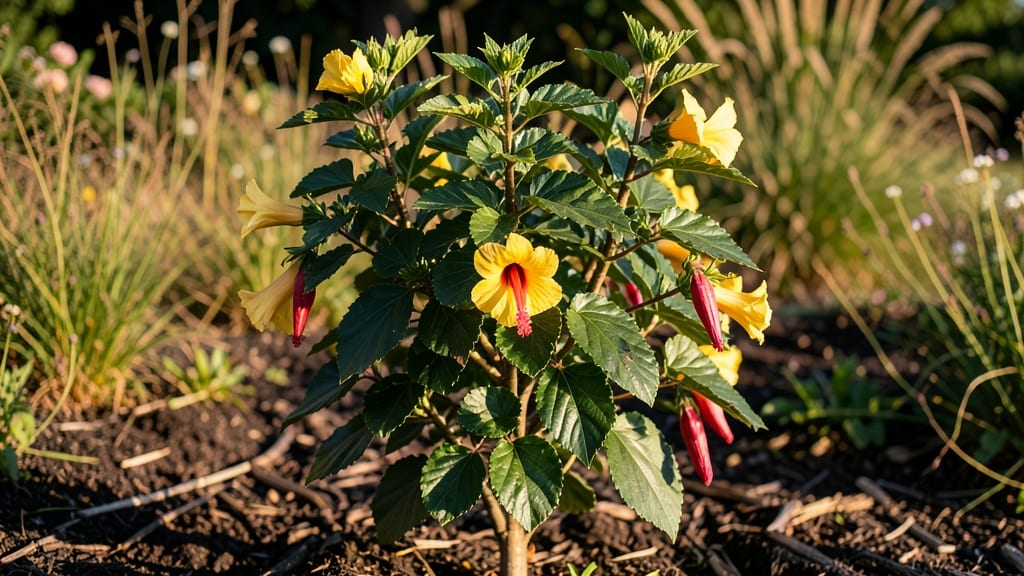
Your first roselle hibiscus harvest is just 6 months away. 🌿 This vibrant tropical plant thrives in containers or garden beds, giving you both stunning blooms and edible calyces—plus, it’s far easier to grow than most people realize. Start with seeds or cuttings in well-draining soil mixed with compost.
Roselle loves heat and sunlight, so aim for 6+ hours of direct light daily—even partial shade can slow growth. Water when the top inch of soil feels dry, but avoid soggy roots, which lead to root rot.
By late summer, you’ll see those signature red or yellow flowers transform into the tart, cranberry-like calyces used in teas and stews. Prune leggy stems in spring to encourage bushier growth, and watch it rebound quickly. Works in zones 9-11 outdoors, or bring pots inside during winter.
Even beginners nail this—here’s how to keep it thriving all season.
📚 In This Guide
- What you need
- Instructions
- Tips and common mistakes
- Wrapping up and next steps
What you need
- ● Roselle hibiscus seeds: 5–10 seeds (or 1–2 young plants from a nursery)
- ● Well-draining potting mix: 1–2 bags (for containers) or garden soil amended with compost (for in-ground planting)
- ○ Containers (optional but helpful): 5–10 gallon pots with drainage holes (1–2 containers per plant)
- ● OR raised beds (if growing multiple plants)
- ● Fertilizer: Balanced organic fertilizer (e.g., 10-10-10 or compost tea)
- ○ Slow-release granules (optional for long-term growth)
- ● Watering can or hose: With a gentle spray nozzle for seedlings
- ● Pruning shears: For trimming and shaping plants
- ● Mulch: Straw or wood chips (to retain moisture and suppress weeds)
- ● Sunlight: Full sun (6–8+ hours daily)
- ● Temperature: Warm climate (70–90°F / 21–32°C); not frost-tolerant
- ● Water: Consistent moisture (1–2 inches per week; more in heat)
- ● pH Level: Slightly acidic to neutral (6.0–7.0)
- ● Trellis or stakes (for climbing varieties)
- ● pH test kit (to monitor soil health)
- ● Compost or worm castings (for extra nutrients)
- ● Shade cloth (if growing in intense afternoon sun)
Step-by-step instructions for growing roselle hibiscus
Here’s how I grow lush roselle plants—whether in pots or garden beds—using simple techniques that work in warm climates.
🌱 Step 1: Choose Your Planting Location
Roselle thrives in full sun, needing at least 6-8 hours of direct light daily. If growing in containers, place them in a spot that gets afternoon sun—morning shade helps prevent leaf scorch in hot climates. For in-ground planting, pick a location with well-draining soil, as roselle hates soggy roots.
I always test soil drainage by digging a hole, filling it with water, and watching how fast it drains. If water pools after 30 minutes, amend the soil with 2-3 inches of compost or sand to improve drainage. Containers should have drainage holes—no exceptions, or you’ll risk root rot.
💧 Step 2: Plant Seeds or Transplants at the Right Time
Start seeds indoors 8-10 weeks before your last frost if you’re in a cooler zone, or sow directly outdoors after all danger of frost has passed. Plant seeds ½ inch deep in warm soil—roselle seeds germinate best when soil temperatures stay above 70°F. I use a seedling heat mat to speed up germination if my climate runs cooler.
For transplants, space them 3-4 feet apart in garden beds or 1 plant per 12-inch container. The key here is patience—roselle grows fast but needs room to spread. If planting multiple, leave extra space for airflow to prevent fungal diseases like powdery mildew.
☀️ Step 3: Water Deeply and Maintain Consistent Moisture
Water roselle deeply once a week, ensuring the soil stays moist but not waterlogged. I check by sticking my finger 2 inches into the soil—if it feels dry, it’s time to water. Overwatering is the fastest way to kill roselle, so always let the top inch dry out between waterings.
Mulch around the base with 2-3 inches of organic mulch (like straw or shredded leaves) to retain moisture and keep roots cool. This is especially important in containers, where soil dries out faster. Avoid wetting the leaves when watering—this helps prevent fungal issues.
✂️ Step 4: Prune and Harvest for Continuous Growth
Prune roselle regularly to encourage bushier growth and more blooms. Pinch back the tips of new growth when plants are 6-8 inches tall to promote branching. Remove any yellow or diseased leaves immediately—roselle is tough but won’t recover well from neglect.
Harvest calyces (the flower buds) when they’re ½ to ¾ inch long for the best flavor. Use clean scissors to cut them just above a leaf node. I harvest every 2-3 weeks during the growing season, which keeps the plant productive. Never harvest more than ⅓ of the plant at once—this ensures it keeps flowering.
🌿 Step 5: Fertilize and Protect for Long-Term Success
Feed roselle with a balanced, water-soluble fertilizer (like 10-10-10) every 4-6 weeks during the growing season. I mix it at half-strength to avoid burning the roots. Organic options like compost tea or fish emulsion work too—just follow label instructions.
Watch for pests like aphids or whiteflies, which love roselle’s lush leaves. Spray with neem oil or insecticidal soap if you spot them early. In cooler climates, bring container-grown roselle indoors before temperatures drop below 50°F—it’s a tropical plant and won’t survive frost.
Tips & tricks for growing roselle hibiscus
Here's what nobody tells you about keeping your roselle plants thriving—these tricks have saved my plants from common pitfalls.
Sunlight Strategy: While roselle needs at least 6-8 hours of direct sun, I've found that morning shade in hot climates actually prevents leaf scorch. Position your containers or garden bed to catch afternoon sun instead—this is especially important during peak summer months when temperatures can exceed 90°F. If you notice yellowing leaves, it's often a sign of too much direct midday sun.
Soil Test Hack: The 30-minute drainage test is your best friend. I've learned that roselle roots can't handle soggy soil, so if water pools after 30 minutes, you absolutely need to amend with compost or sand. For containers, I always double-check drainage holes before planting—this simple step prevents root rot that can kill plants in just a few weeks.
Germination Secret: That 70°F soil temperature requirement isn't just a suggestion—it's critical. I use a seedling heat mat during cooler seasons, and it makes all the difference. If your soil stays below 70°F, germination can take weeks instead of days. Pro tip: Place your seedling tray near a sunny window or under a grow light to maintain consistent warmth.
Harvesting Timing: Those ½ to ¾ inch calyces are perfect for harvesting when they're still firm but starting to show color. I harvest every 2-3 weeks, but I never take more than ⅓ of the plant at once. This keeps the plant productive and encourages continuous flowering. Use clean scissors to avoid spreading diseases between cuts.
Pro Tips for Grow Roselle Hibiscus
- Here's what nobody tells you about keeping your roselle plants thriving—these tricks have saved my plants from common pitfalls.
- Sunlight Strategy: While roselle needs at least 6-8 hours of direct sun, I've found that morning shade in hot climates actually prevents leaf scorch.
- Soil Test Hack: The 30-minute drainage test is your best friend.
Frequently asked questions
Got questions about growing roselle hibiscus?
Here are answers to the most common ones—whether you're a beginner or a seasoned gardener!
How long does it take for roselle hibiscus to grow and produce flowers?
Roselle hibiscus typically takes 3 to 6 months to mature from seeds, depending on climate and care. Once established, it blooms year-round in tropical zones or spring to fall in cooler areas. With proper sunlight (6+ hours daily) and warmth, you’ll see vibrant flowers in 60–90 days after planting.
Can I grow roselle hibiscus in pots? What size container do I need?
Roselle thrives in containers as long as the pot is at least 12–18 inches deep with drainage holes. Use a well-draining potting mix (like a 50/50 blend of garden soil and perlite) and place it in a sunny spot. For dwarf varieties, a 10-inch pot suffices, but standard plants need more space to spread.
Why aren’t my roselle hibiscus leaves turning red? Is this normal?
Young leaves are often green, but reddish hues appear as they mature—especially in cooler weather. If leaves stay green, check for:
- Lack of sunlight: Move to a sunnier spot (6+ hours/day).
- Over-fertilizing: Use a balanced fertilizer (10-10-10) sparingly (every 4–6 weeks).
- Temperature stress: Roselle prefers 70–90°F. Protect from frost.
Do I need to prune roselle hibiscus? How do I do it?
Pruning encourages bushier growth and more flowers! Trim back overgrown branches by 1/3 in early spring and after flowering. Use clean scissors to cut just above a leaf node. Remove yellow/damaged leaves regularly. Pro tip: Pinch back young plants to promote branching!
What can I do if my roselle hibiscus gets pests like aphids or spider mites?
Start with neem oil spray (mix 1 tbsp neem oil + 1 tsp mild soap in 1 quart water) or insecticidal soap. For severe infestations, blast pests off with water or introduce ladybugs. Keep plants healthy with balanced fertilization and avoid overcrowding to deter pests.
Wrapping up and next steps
Growing roselle hibiscus is a rewarding journey that brings vibrant blooms and delicious benefits to your space! With the right sunlight, soil, and care, you’ll enjoy lush plants year after year—whether in containers or your garden.
Now that you’re equipped with the know-how, why not start today? Grab your supplies, pick a sunny spot, and watch your roselle thrive! 🌱✨
Next step: Plant your first seedling or cutting this weekend and share your progress with fellow gardeners—your green thumb is about to shine!