
Size
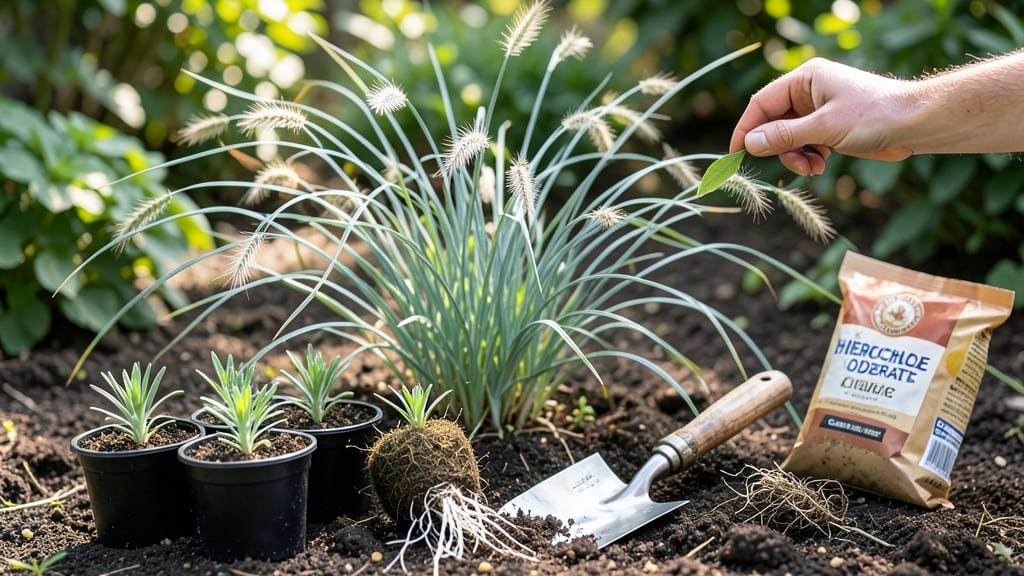
Sweetgrass (Hierochloe odorata) grows wild in meadows but thrives in your garden with the right care. 🌱 I’ve grown it for sacred bundles, and the fragrance alone makes it worth the effort—like sunshine in a clump of grass.
The key is mimicking its native prairie conditions, where it spreads happily without fuss.
Start with moist, well-draining soil and full sun—at least 6 hours daily. Plant seeds in early spring or fall, barely covering them since they need light to germinate.
Sweetgrass tolerates poor soil but grows best in slightly acidic, sandy loam. Water regularly but avoid soggy roots—this grass hates wet feet.
In 3 months, you’ll see lush, fragrant stems perfect for bundles. The scent intensifies as they dry, creating that signature sweet, hay-like aroma. Harvest before seeding to encourage new growth. Just watch for slugs—they adore young shoots, so protect seedlings until established.
Works beautifully in borders, wildflower gardens, or even containers. Once rooted, it’s nearly maintenance-free. The real magic? Those golden stems, ready for weaving or burning ceremonies. Let’s get growing!
📚 In This Guide
- What you need
- Instructions
- Tips and common mistakes
- Wrapping up and next steps
What you need
- ● Sweetgrass seeds: 1–2 oz (or a small packet of pure, organic seeds). Pro tip: Source seeds from a trusted supplier or harvest them yourself from mature plants (if available in your region).
- ● Growing containers: Seed trays or small pots (4–6 inches deep) with drainage holes, 4–6 units.
- ● OR a raised garden bed (12" deep, 2–3 ft wide) if planting directly outdoors.
- ● High-quality potting mix: 2–3 gallons. Use a well-draining blend with 50% peat moss or coconut coir and 50% perlite/sand for optimal aeration.
- ● Slow-release fertilizer: 1 lb (e.g., 10-10-10 or organic options like fish emulsion). Pro tip: Mix 1 tbsp per gallon of soil.
- ● Watering can or spray bottle: With a fine mist setting for gentle hydration.
- ● Garden twine or labels: To mark seed trays/beds (sweetgrass is delicate—avoid disturbing it!).
- ● Pruners or sharp scissors: For harvesting stems (sterilize with rubbing alcohol first!).
- ● Grow lights: LED full-spectrum bulbs (12–16 hours/day) if starting indoors before last frost.
- ● Cloche or row covers: To protect seedlings from pests or late frosts.
- ● Compost or worm castings: 1 cup per container to boost soil fertility.
- ● Humidity dome or plastic wrap: Temporarily covers trays to retain moisture during germination.
- ● Journal or camera: To track growth stages (sweetgrass has a magical transformation process!).
- ● Climate: Sweetgrass thrives in USDA Zones 3–7. It prefers cool to moderate temperatures (50–75°F) and full sun (6+ hours/day).
- ● Timing: Start seeds 8–10 weeks before the last frost date in your area for outdoor planting.
- ● Space: Mature plants need 12–18 inches apart for airflow and growth.
Step-by-step instructions for cultivating sweetgrass bundles
Here’s my time-tested approach to growing sweetgrass for braiding—where patience meets precision.
🌱 Step 1: Select and Prepare the Right Seed Source
Sweetgrass (Hierochloe odorata) thrives from seed, but not all sources are equal. Look for certified organic seeds from a trusted supplier specializing in native grasses. The key is freshness—older seeds lose viability quickly. I’ve found the best results with seeds harvested within the last year, stored in a cool, dry place. Before planting, soak the seeds in lukewarm water for 12 hours to soften the tough outer husk and encourage faster germination.
After soaking, spread the seeds on a paper towel to dry slightly—just until they’re no longer slick to the touch. This prevents clumping when you plant. The goal is to mimic the natural spring thaw that triggers germination in the wild. If you’re working with wild-harvested seed, you’ll need to separate the seeds from the chaff by hand, which can be tedious but rewarding.
☀️ Step 2: Plant in Well-Drained, Sunlit Soil
Sweetgrass demands full sun—at least 6-8 hours daily—and soil that drains like a sandy loam. Amend heavy clay with 2-3 inches of coarse sand or perlite to prevent waterlogging, which rots roots. I plant seeds in early spring, just as the soil warms to 55-60°F. Scatter seeds ¼ inch deep in rows spaced 12 inches apart—they’re tiny, so I use a toothpick to create shallow furrows for precision.
Cover lightly with a thin layer of soil, then mist gently with water until the surface looks damp but not soaked. Overwatering now will smother the seeds. Place a fine mesh row cover over the bed to protect seedlings from birds and wind. You’ll see the first sprouts in 10-14 days, but don’t be surprised if germination takes up to 3 weeks—sweetgrass isn’t in a hurry.
💧 Step 3: Maintain Consistent Moisture Without Overwatering
Once seedlings emerge, remove the row cover and water deeply once a week, aiming for 1 inch of water total. Sweetgrass has shallow roots, so frequent shallow watering is better than deep, infrequent soakings. You’ll know moisture is right when the top ½ inch of soil feels dry to the touch—that’s your signal to water again. Too much moisture leads to fungal diseases like rust, which can devastate a crop.
Fertilize lightly in early summer with a balanced organic fertilizer (10-10-10) applied at half strength. Sweetgrass is a low-maintenance plant, but it rewards careful attention. Watch for weeds—hand-pull them when small, as sweetgrass’s delicate stems can’t compete with aggressive invaders. By mid-summer, your plants will form clumps 12-18 inches tall, ready for the next critical step.
✂️ Step 4: Harvest and Bundle for Storage
Harvest stems in late summer or early fall, just before the first frost. Choose healthy, upright stems with no signs of disease or browning. Cut them at the base with clean shears, then bundle 5-7 stems together with twine or raffia. Hang the bundles upside down in a dry, well-ventilated area—like a garage or shed—to cure for 2-3 weeks. This drying process preserves the grass’s natural fragrance and flexibility.
Real talk: The first harvest might be sparse, but each year your sweetgrass patch will thicken. With proper care, you’ll yield enough stems for 4-6 bundles annually, perfect for braiding or gifting. Store dried bundles in a cool, dark place—they’ll keep their sweet scent for years if protected from humidity.
Tips & tricks for perfect sweetgrass cultivation
Sweetgrass thrives on patience and precision—here’s how to avoid common pitfalls and maximize your harvest.
Seed Preparation Secret: The 12-hour soak isn’t just about softening the husk—it’s about mimicking nature’s spring thaw. Use lukewarm water (around 80°F) rather than hot, which can damage the delicate seed structure. After soaking, let seeds air-dry on paper towels until they’re just barely dry to the touch; this prevents clumping in the soil. I’ve found that spreading them in a single layer on a mesh screen works best for even drying.
Soil Temperature Matters: While the instructions specify planting when soil reaches 55-60°F, I’ve learned that waiting until 60°F consistently for at least 5 days gives better germination rates. Use a soil thermometer to check—cold soil slows down the germination process, which can extend the 10-14 day window to 3 weeks or more. If your spring is unpredictable, consider using a mini greenhouse or cold frame to create a warmer microclimate.
Watering Strategy: The once-weekly watering guideline works perfectly in most climates, but watch for signs of stress. Sweetgrass wilts quickly when thirsty—its leaves will droop noticeably before turning crispy. At that point, water immediately, but don’t overcompensate. I’ve seen entire patches of sweetgrass die from well-intentioned overwatering, especially in heavy clay soils. A simple finger test (checking soil moisture to the ½-inch depth) is more reliable than sticking to a rigid schedule.
Harvest Timing: The late summer/early fall window is ideal, but don’t wait until the first frost if you’re in a region with unpredictable weather. Sweetgrass stems lose their flexibility when frozen, making them brittle and difficult to braid. If frost threatens before your plants are ready, harvest what you can and bundle them immediately—they’ll still dry well, though the scent may be slightly muted compared to frost-ripened grass.
Pro Tips for Grow Sweetgrass
- Sweetgrass thrives on patience and precision—here’s how to avoid common pitfalls and maximize your harvest.
- Seed Preparation Secret: The 12-hour soak isn’t just about softening the husk—it’s about mimicking nature’s spring thaw.
- Soil Temperature Matters: While the instructions specify planting when soil reaches 55-60°F, I’ve learned that waiting until 60°F consistently for at least 5 days gives better germination rates.
Frequently asked questions
Got questions about growing sweetgrass? You’re not alone! Here are some of the most common queries—plus straightforward answers to help you cultivate healthy, vibrant stems for your bundles.
How long does it take for sweetgrass to grow from seed?
Sweetgrass (Hierochloe odorata) typically takes 3–5 years to mature from seed and produce strong, usable stems. However, if you’re transplanting established plants or using cuttings, you can harvest in as little as 1–2 years. Patience is key—this sacred grass rewards persistence!
Can I harvest sweetgrass in the first year of planting?
No, it’s best to avoid harvesting during the first year. Young plants need time to establish roots and energy to grow. Lightly trim non-flowering stems in the second year, but save heavy harvesting for years 3–5 when the plant is fully robust. Think of it as letting your sweetgrass "bank" strength for future bundles!
What’s the best way to revive wilted or yellowing sweetgrass?
Wilting or yellowing often signals overwatering, poor drainage, or nutrient deficiency. To revive it:
- Check soil moisture—sweetgrass prefers consistently moist (not soggy) soil
- Ensure well-draining soil (mix in sand or perlite if needed)
- Fertilize lightly with compost or a balanced organic fertilizer in spring
- Trim dead leaves to redirect energy to healthy growth
Does sweetgrass need full sun, or can it grow in partial shade?
Sweetgrass thrives in full sun (6+ hours daily), but it can tolerate partial shade (4–6 hours), especially in hot climates. In shadier spots, stems may grow taller but thinner, and flowering could be less abundant. If you’re in a shady area, supplement with a reflective surface (like a white wall) to boost light exposure.
Can I grow sweetgrass in a pot instead of the ground?
Yes! Sweetgrass adapts well to large containers (12+ inches deep) with drainage holes. Use a moisture-retentive potting mix (like peat + perlite) and place in full sun. However, potted sweetgrass may grow slower and produce fewer stems than ground-planted varieties. Rotate the pot occasionally for even growth, and fertilize lightly in spring.
Why isn’t my sweetgrass flowering or producing stems?
Lack of flowering often stems from:
- Age: Sweetgrass usually flowers in years 3–5
- Light deficiency: Ensure it gets full sun
- Over-fertilization: Too much nitrogen = leafy growth, fewer flowers
- Stress: Check for pests (like aphids) or root rot
Wrapping up and next steps
Growing your own sweetgrass is a rewarding journey that connects you to tradition, sustainability, and the beauty of nature. 🌱 With the right soil, patience, and care, you’ll soon have lush, sacred stems ready for bundles—perfect for ceremonies, crafts, or gifts. Start small, stay consistent, and let your green thumb thrive!
Ready to take the next step? Share your progress with fellow growers, experiment with different growing techniques, or even start a small community bundle-making project! Your sweetgrass adventure is just beginning—happy growing! 🌿✨