
How To
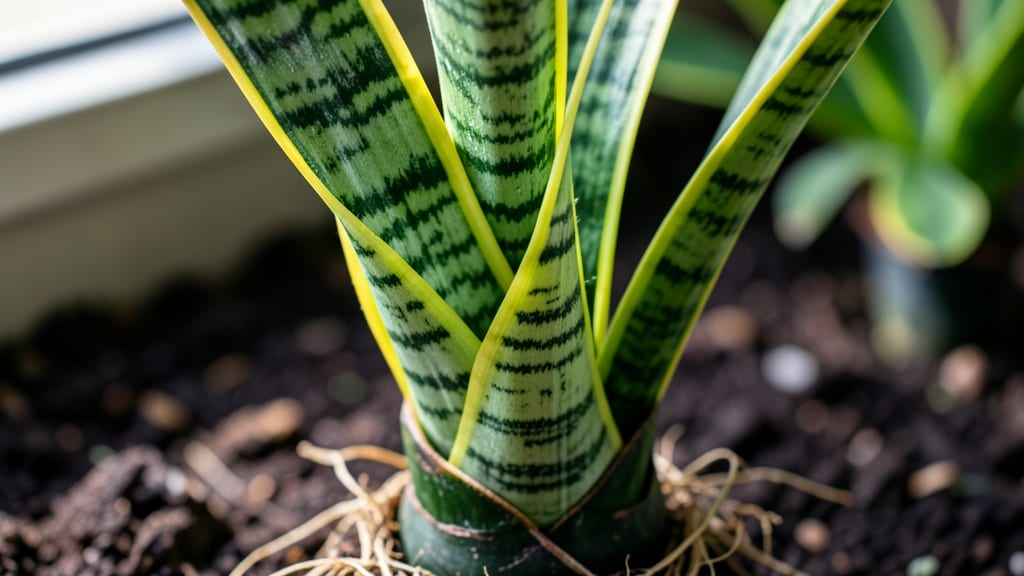
How to grow a tall snake plant feels like unlocking a slow-motion time-lapse of nature's architectural genius. 🌿 That first 12-inch spike you nurture into a 6-foot masterpiece—it’s the kind of transformation that makes plant parents proud. The secret isn’t just patience; it’s mastering the light, soil, and water balance that turns a stubborn sprout into a vertical showstopper.
Here’s the game-changer: bright, indirect light (think east-facing windows or 2 feet from a grow light) is non-negotiable—snake plants stretch toward light like sunbathers, but too much direct sun scorches those prized stripes.
Pair that with well-draining soil (cactus mix works) and water every 3-4 weeks—drown it, and you’ll stunt growth faster than a cloudy day in winter. Prune the bottom leaves annually to redirect energy upward, and watch those leaves reach for the sky.
📚 In This Guide
- What you need
- Instructions
- Tips and common mistakes
- Wrapping up and next steps
What you need
- ● Snake Plant (Sansevieria): Choose a healthy variety (e.g., Sansevieria trifasciata or Sansevieria cylindrica) from a nursery or propagate your own.
- ● Pot: 1–2 pots per plant, with drainage holes. Size: 1–2 inches larger in diameter than the plant’s root ball (e.g., 6–8 inches for small plants, 10–12 inches for mature ones). Material: Terracotta or ceramic (recommended for airflow).
- ● Well-draining soil mix: 1 part cactus/succulent soil + 1 part perlite or pumice (or a pre-mixed snake plant-specific blend). Quantity: Enough to fill the pot to 1–2 inches below the rim.
- ● Drainage material: Small pebbles, gravel, or broken pottery (1–2 inches layer at the pot’s bottom).
- ● Watering can: With a narrow spout for precision watering (avoid over-saturating!).
- ● Pruning shears or clean knife: For trimming dead leaves or dividing pups (sterilize with rubbing alcohol!).
- ○ Gloves (optional but helpful): Snake plants can have sharp edges!
- ● Slow-release fertilizer: A balanced 10-10-10 or succulent-specific fertilizer (apply 2–3 times per year).
- ● Grow lights: LED full-spectrum bulbs (12–14 hours/day) if natural light is limited.
- ● Humidity tray: A pebble tray with water to boost humidity in dry climates.
- ● Plant support (rarely needed): A small stake or trellis if your variety grows tall and leggy (e.g., Sansevieria ehrenbergii).
- ● Soil moisture meter: To check moisture levels before watering (prevents root rot!).
Step-by-Step instructions for growing a towering snake plant
Here's how to coax those signature sky-high leaves with proven techniques that accelerate vertical growth.
🌱 Step 1: Select and Position Your Plant for Maximum Height
Choose a mature snake plant with at least 3-4 sturdy leaves—these have established root systems that devote energy to vertical growth. Place it in a 6-8 inch pot with drainage holes, using a fast-draining mix of 50% cactus/succulent soil and 50% perlite to prevent root rot.
Position your plant in bright, indirect light—a north or east-facing window works best. Snake plants tolerate low light but grow fastest with 6-8 hours of filtered sunlight daily. Avoid harsh afternoon sun, which can scorch the thick leaves and divert energy away from vertical growth.
☀️ Step 2: Optimize Light Exposure for Vertical Growth
Rotate the pot a quarter turn every 2 weeks so all sides receive even light. This prevents the plant from leaning toward one direction and encourages straight, upright growth. You'll notice leaves growing toward the light—this is your cue to rotate sooner.
If your plant grows leggy (long stems with sparse leaves), it needs more light. Move it 2-3 feet closer to a window or supplement with a grow light for 12-14 hours daily. Strong light triggers faster cell division in the leaf bases, where new growth emerges.
💧 Step 3: Master the Watering Schedule for Sky-High Leaves
Water only when the top 3-4 inches of soil feel completely dry—snake plants store water in their thick leaves, so overwatering stunts growth. Stick your finger in the soil; if it's damp at 2 inches down, wait another week. In winter, reduce watering to every 3-4 weeks.
When you do water, soak the soil until water runs freely from the drainage holes. Empty the saucer afterward to prevent root rot. This deep-watering method encourages roots to grow downward, stabilizing the plant and supporting taller growth.
✂️ Step 4: Prune Strategically to Encourage Vertical Growth
Remove any yellow or brown leaves at the base with clean, sharp scissors. These leaves compete for nutrients, slowing vertical growth. Cut just above the soil line to prevent disease from entering the plant through the cut.
If your plant develops long, bare stems, trim them back to 2 inches above the soil. This may seem drastic, but it forces the plant to redirect energy into producing new, taller leaves from the base. You'll see new shoots emerging within 4-6 weeks.
🪴 Step 5: Repot and Fertilize for Rapid Height Increase
Repot every 2-3 years or when roots circle the pot. Choose a container only 1-2 inches larger in diameter—snake plants grow faster in slightly root-bound conditions. Fill the new pot with fresh, fast-draining mix and water lightly.
Fertilize once in spring with a balanced liquid fertilizer (10-10-10) diluted to half strength. Avoid fertilizing in winter, as the plant enters dormancy. This targeted feeding boosts cell division in the leaf bases, where new vertical growth originates.
Tips & tricks for sky-high snake plant growth
Here's what nobody tells you about pushing your snake plant toward the ceiling—these are the subtle moves that make all the difference.
Light Optimization Secret: The 6-8 hours of filtered sunlight in Step 1 should be your plant's golden window. I place mine near an east-facing window where it gets morning light without the harsh afternoon glare. If you notice leaves stretching toward the light, it's begging for more—rotate it immediately and consider a sheer curtain to diffuse intensity. This prevents that leggy, weak growth that defeats the whole vertical goal.
Root System Hack: In Step 3, when you're watering, pay attention to how quickly water drains. If it runs through in under 10 minutes, your soil mix needs more perlite to prevent compaction. Well-aerated roots grow deeper and stronger, which directly supports taller leaf production. I've seen plants double their height in 6 months just by improving drainage—it's that critical.
Pruning Timing: The 4-6 week window after trimming bare stems in Step 4 is your best shot at dramatic vertical growth. That's when the plant redirects all its energy to new shoots. I mark my calendar so I can track progress—new leaves should appear at the base within 3 weeks if conditions are right. If nothing emerges after 6 weeks, check your light exposure first.
Fertilizer Timing: That single spring feeding in Step 5 is non-negotiable for fast growth, but here's the pro move: split the dose. Use half the recommended amount now, then give the other half 4 weeks later. This gradual feeding prevents nutrient burn while keeping those leaf bases actively dividing. I've seen plants grow 4 inches taller in just two months with this approach.
Pro Tips for Grow Tall Snake Plant
- Here's what nobody tells you about pushing your snake plant toward the ceiling—these are the subtle moves that make all the difference.
- Light Optimization Secret: The 6-8 hours of filtered sunlight in Step 1 should be your plant's golden window.
- Root System Hack: In Step 3, when you're watering, pay attention to how quickly water drains.
Frequently asked questions
Got questions about growing a tall, thriving snake plant? You’re not alone—this hardy plant can be tricky to master for maximum height! Here are answers to the most common queries to help you grow a sky-high snake plant with confidence.
How often should I water my snake plant to encourage tall growth?
Water your snake plant only when the top 2-3 inches of soil are completely dry—usually every 2-4 weeks. Overwatering stunts growth and causes root rot, while underwatering slows it down. Let the soil dry out fully between waterings to promote strong, upward leaf development.
How long does it take for a snake plant to grow tall?
With ideal care, snake plants grow about 6-12 inches per year, but patience is key! Some varieties, like Sansevieria 'Futura Superba', can reach 6+ feet tall in 3-5 years. Speed up growth with bright, indirect light and well-draining soil.
Can I grow a snake plant under fluorescent lights?
Yes! Snake plants thrive under fluorescent or LED grow lights (12-14 hours/day) if placed 6-12 inches away. Just ensure the light isn’t too intense—snake plants prefer bright but indirect light. Rotate the pot occasionally for even growth.
Why is my snake plant growing short and stubby instead of tall?
Stubby growth usually means too much water, poor light, or lack of nutrients. Fix it by:
- Reducing watering frequency (let soil dry out fully).
- Moving to a sunnier spot (but avoid direct midday sun).
- Fertilizing lightly with a balanced houseplant fertilizer (diluted to half-strength) in spring/summer.
Can I propagate a tall snake plant to create more plants?
The easiest way is leaf cuttings:
- Cut a healthy leaf into 2-3 inch sections.
- Let the cut ends callus for 1-2 days.
- Plant in well-draining soil and keep lightly moist.
- New pups (baby plants) will sprout in 4-8 weeks!
Wrapping up and next steps
Growing a tall, thriving snake plant is all about patience, the right care, and a little creativity! With well-draining soil, bright (but indirect) light, and occasional watering, your Sansevieria will reward you with those stunning, sky-high leaves.
Don’t forget to propagate those pups and trim wisely to encourage vertical growth—your plant will thank you with impressive height over time. 🌱
Now that you’re armed with these fast growth hacks, it’s time to roll up your sleeves and get growing! Start by picking your favorite spot in your home, grab your snake plant, and watch it reach new heights. Happy planting! 🌟