
How To
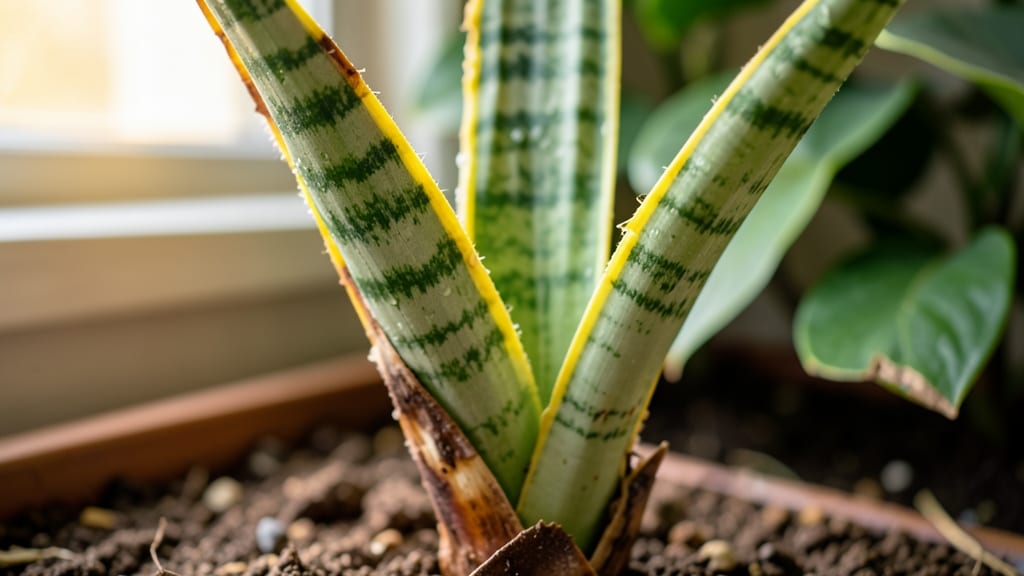
How to fix an overwatered snake plant—your drooping leaves are screaming for help. 🌱 I’ve nursed more overwatered snake plants back to health than I’d like to admit—and the good news is, you can often revive them in just 3 days with the right moves. The key? Acting fast to stop the rot and giving those roots room to breathe again.
First, check for the classic overwatering signs: yellow, mushy leaves, or a foul smell from the soil. If the stems feel soft or the leaves wilt despite damp soil, you’re dealing with root rot.
The fix starts with repotting—grab a clean pot with drainage holes, fresh, gritty soil mix (think cactus or succulent blend), and trim any black, mushy roots with sterilized scissors.
After repotting, skip watering for 5-7 days—yes, really. Snake plants are drought-tolerant survivors, and they’ll bounce back faster with a dry spell. Once you resume watering, let the soil dry out completely between drinks.
Within a week, you’ll see new growth pushing through, and those crisp, upright leaves will return like nothing happened.
Here’s the secret to keeping it from happening again: water only when the top 2-3 inches of soil are bone-dry, and always use a pot with drainage. Trust me—once you’ve seen a snake plant recover, you’ll never drown it again. Now grab those shears and let’s get to work!
📚 In This Guide
- What you need
- Instructions
- Tips and common mistakes
- Wrapping up and next steps
What you need
- ● Well-draining potting mix: 1 bag (1-2 gallons) of a cactus/succulent mix or a blend of 50% potting soil + 50% perlite/pumice. Avoid heavy garden soil!
- ● Clean, sharp pruning shears: 1 pair (sterilized with rubbing alcohol to prevent infection).
- ● Gloved hands: 1 pair (nitrile or rubber gloves to protect from soil and potential bacteria).
- ● Spray bottle: 1 (for misting roots gently if needed).
- ○ New pot (optional but recommended): 1 pot with drainage holes (size depends on your plant—snake plants thrive in slightly snug pots).
- ● Terracotta or ceramic preferred (helps wick away excess moisture).
- ● Rooting hormone: 1 small tube (speeds up recovery if roots are severely damaged).
- ● Fungicide (for prevention): 1 bottle (like copper fungicide or hydrogen peroxide solution—3% diluted with water).
- ● Moisture meter: 1 (to check soil dryness post-revival).
- ● Paper towels or paper plates: 1-2 (for blotting excess water during repotting).
- ● Peat moss or coconut coir: Small amount (for extra aeration if mixing your own soil).
Step-by-Step instructions for reviving an overwatered snake plant
Here's how I rescue soggy snake plants—no fancy tools needed, just patience and the right moves.
🌱 Step 1: Remove the Plant and Inspect the Roots
Gently lift your snake plant from its pot and shake off excess soil to reveal the roots. Healthy roots are firm and white, but overwatered roots turn mushy, black, or smell foul. If the roots feel squishy like overcooked pasta, you're dealing with root rot.
Use clean, sterilized scissors to trim away any black, mushy roots—cut back to the firm white sections. This might seem drastic, but saving the healthy parts is key. Don't worry if it looks like you're left with just a stem; snake plants are tough and will regrow.
💧 Step 2: Adjust the Soil and Repot Immediately
Snake plants need soil that drains like a sieve. If your current mix holds moisture, toss it—it's likely the root of the problem. Grab a pot with drainage holes (if it doesn't have them, drill a few) and fill it halfway with fresh, well-draining potting mix. I like to blend regular potting soil with perlite or coarse sand for extra drainage.
Place your trimmed plant into the new pot and fill around the roots with the fresh mix, pressing lightly to secure it. Leave about an inch of space between the soil and the pot's rim—this prevents overfilling and future waterlogging.
☀️ Step 3: Let the Soil Dry Completely Before Watering Again
Here's the thing—snake plants are drought-tolerant, and overwatering is their biggest enemy. After repotting, wait until the top 2-3 inches of soil feel completely dry before watering again. Stick your finger in the soil; if it's damp past your first knuckle, hold off.
When you do water, soak the soil thoroughly until water runs out the drainage holes, then empty the saucer. This ensures the roots get a deep drink without sitting in water. Resist the urge to water on a schedule—let the plant tell you when it's thirsty.
⏰ Step 4: Monitor Light and Recovery Signs
Snake plants bounce back fastest in bright, indirect light. Place your revived plant near a window where it gets morning sun or filtered afternoon light. Avoid direct, harsh sunlight at first—it can stress the plant while it recovers.
Watch for new growth as a sign of recovery. Healthy leaves will stand upright, and you might see new shoots emerging from the base. If the leaves start yellowing or drooping again, you're either overwatering or underwatering—check the soil moisture before reacting.
✂️ Step 5: Prune Damaged Leaves and Adjust Care
Once your snake plant shows signs of life, trim any remaining yellow or brown leaves at the base with clean scissors. This redirects the plant's energy to new growth instead of supporting damaged foliage. Don't cut into healthy tissue—just remove what's clearly dead.
Now that your plant is back on track, adjust your watering routine. Water every 2-3 weeks in winter and 3-4 weeks in summer. Snake plants store water in their leaves, so they rarely need frequent watering. Over time, you'll learn their exact needs by observing the soil and leaves.
Tips & tricks for reviving an overwatered snake plant
Real talk: Overwatering is the silent killer of snake plants, but these tricks will help you bring yours back to life.
Root Inspection Tip: When you're trimming those mushy roots in Step 1, look for the transition point between healthy white roots and blackened rot. This is your "stop cutting" line—don't go beyond it, even if it looks like there's more rot. Healthy roots will feel firm like cooked spaghetti, while rotten ones will collapse under pressure. This careful trimming is what gives your plant its best chance at recovery.
Soil Mix Secret: In Step 2, don't just grab any potting mix—aim for a blend that's at least 30% perlite or coarse sand. I like using a pre-made cactus/succulent mix as my base because it's formulated to drain water instantly. If you're making your own mix, use a ratio of 2 parts regular potting soil to 1 part perlite. This dramatic improvement in drainage is what prevents future waterlogging.
Drying Test: For Step 3, here's how to test that 2-3 inch soil depth properly: Stick your finger in the soil—if it feels dry all the way down to your first knuckle, it's ready. If you're unsure, use a wooden skewer instead. Push it in and pull it out—if it comes out clean, you're good to water. This simple test prevents the most common post-revival mistake of watering too soon.
Light Recovery Hack: During Step 4, place your revived plant near an east-facing window for the first week. This gives gentle morning light without the harsh afternoon sun that can stress recovering roots. If you don't have an east window, use a grow light for 6-8 hours daily. The key is to avoid shock—your plant's already been through enough stress.
Pro Tips for Fix An Overwatered Snake Plant
- Real talk: Overwatering is the silent killer of snake plants, but these tricks will help you bring yours back to life.
- Root Inspection Tip: When you're trimming those mushy roots in Step 1, look for the transition point between healthy white roots and blackened rot.
- Soil Mix Secret: In Step 2, don't just grab any potting mix—aim for a blend that's at least 30% perlite or coarse sand.
Frequently asked questions
about fixing an overwatered snake plant—because even the toughest plants need a little TLC! Here are answers to the most common concerns.How do I know if my snake plant is truly overwatered?
Check for these signs: yellowing leaves, mushy stems, foul-smelling soil, or roots that look black and slimy. Snake plants are drought-tolerant, so if the soil stays soggy for more than a week, you’re likely overdoing it. Tap the pot—if it feels heavy with water, that’s a red flag!
Can I save my snake plant if the leaves are already turning yellow?
Yes! Trim the yellowed leaves right at the base to redirect energy to healthy growth. Focus on drying out the soil and improving drainage. With proper care, your plant can bounce back in 2–4 weeks, though severe cases may take longer.
How often should I water my snake plant after fixing the overwatering?
Let the soil dry out completely between waterings—usually every 2–4 weeks, depending on light and humidity. Stick your finger 2 inches into the soil; if it’s dry, it’s time to water. Less is always better for snake plants!
Will repotting help, or should I just adjust my watering habits?
Repotting can help if the roots are rotting, but it’s not always necessary. If you repot, use a well-draining mix (like cactus/succulent soil) and a pot with drainage holes. However, cutting back on water is the first step—repotting is a secondary fix for severe cases.
Can I use hydrogen peroxide or other treatments to speed up recovery?
Diluted hydrogen peroxide (1 part 3% H₂O₂ to 4 parts water) can help prevent bacterial/fungal growth, but it’s not a magic fix. Use it sparingly—soak the soil lightly with the mix, then let it dry. Focus on proper drainage and airflow for the best results.
Wrapping up and next steps
Reviving an overwatered snake plant is totally doable—just follow the right steps! By adjusting watering habits, repotting with fresh soil, and ensuring proper drainage, you’ll see those resilient roots bounce back in no time. Don’t stress: even if your plant looks sad now, it’s tougher than it appears!
Now that you’re armed with the know-how, take action. Start with a quick assessment today, and in just a few days, your snake plant will be thriving again. Happy planting! 🌱