
How To
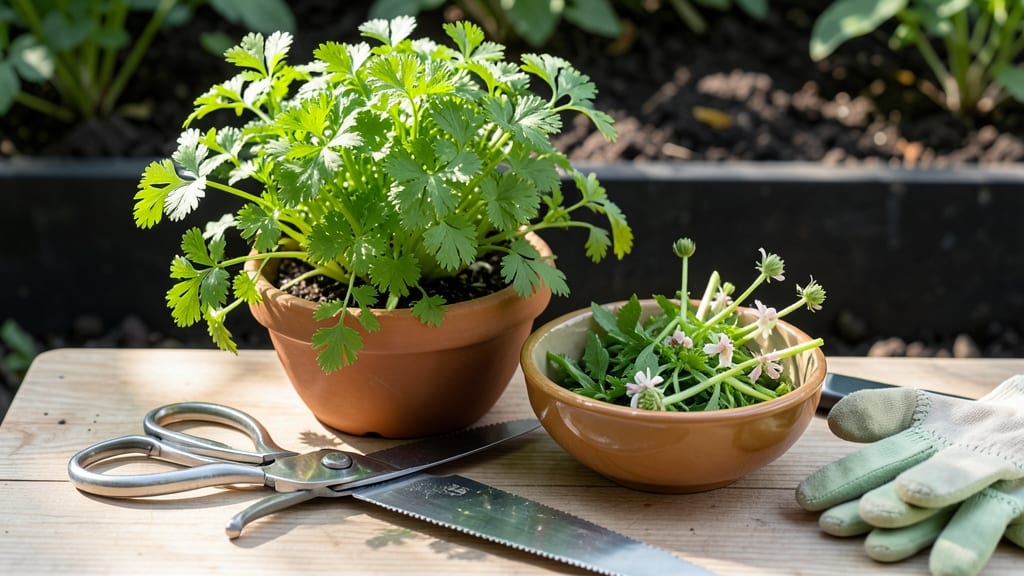
If you’ve ever wondered how to harvest culantro without sacrificing its bold, citrusy flavor, timing is everything. This vibrant herb—often called recao or Vietnamese coriander—rewards patience with tender, aromatic leaves, but only if you snip them at the right moment.
Picture this: your 🌿 culantro plant thriving in your garden or windowsill, its glossy leaves reaching 4-6 inches long. That’s your cue to act! Harvest too early, and the flavor won’t fully develop.
Wait too long, and the leaves may turn bitter or woody. The key is catching those lush, dark green leaves before the plant bolts—or worse, flowers.
In this guide, I’ll walk you through the exact steps to harvest culantro the right way, from recognizing the perfect harvest window to cutting techniques that keep your plant happy and productive.
Whether you’re growing it in USDA Zone 6a or on your kitchen counter, these tips will ensure your culantro stays flavorful and bountiful all season long.
Ready to unlock the secret to continuous harvests? Let’s dive in and turn your culantro into a kitchen staple that never stops delivering fresh, zesty flavor.
Best time to harvest culantro for maximum flavor and growth
Timing is everything when harvesting culantro. For the boldest citrusy flavor, aim to harvest when plants reach 6-12 inches tall and have 4-6 true leaves. This typically occurs 30-60 days after planting, depending on growing conditions.
Harvesting at this stage ensures leaves are fully developed but not yet flowering. Flowering triggers bitterness in culantro, so always snip leaves before buds form. Regular harvesting also encourages bushier regrowth, giving you a continuous supply.
| Stage | Plant Height | Leaf Size | Harvest Tip |
|---|---|---|---|
| Early Growth | 3-6 inches | Small, pale | Avoid harvesting |
| Peak Flavor | 6-12 inches | 4-6 inches long | Harvest outer leaves |
| Late Stage | 12+ inches | Bitter, woody | Prune aggressively |
Outdoor culantro thrives in warmer months (June-October in most climates), while indoor plants can be harvested year-round with consistent light. If growing indoors, use grow lights for 12-14 hours daily to maintain peak flavor and growth.
For continuous harvests, snip leaves every 2-3 weeks during active growth. This prevents overcrowding and ensures tender, flavorful leaves rather than tough, bitter stems. Regular harvesting also extends the plant's productive life.
Watch for yellowing leaves or stems turning woody—these are signs your culantro is past its prime. At this stage, focus on pruning to encourage new growth rather than harvesting for flavor.
In cooler months, growth slows, but you can still harvest lightly. Reduce frequency to every 4-6 weeks and avoid heavy pruning, which stresses the plant during dormancy.
Pro tip: Morning harvests yield the freshest leaves. Culantro releases essential oils in sunlight, so harvesting before 10 AM preserves its bright citrus aroma and zesty taste.
If your culantro bolts (sends up flower stalks), harvest the lower leaves and stems first. The plant may still produce edible foliage, though flavor will diminish. Consider replanting for next season’s peak flavor.
Step-by-step guide to snipping culantro without damaging the plant
Harvesting culantro correctly ensures a continuous supply of flavorful leaves while keeping your plant healthy. Start by selecting the right tools—sharp scissors or pruning shears work best for clean cuts. Avoid using your fingers to pull leaves, as this can damage the plant’s delicate stems.
Focus on harvesting outer leaves first to encourage new growth from the center. These mature leaves are larger and packed with the most citrusy flavor. Never remove more than one-third of the plant at once, or you risk stunting its regrowth.
Use this visual guide to master the perfect cutting technique:
Look for dark green, glossy leaves that are at least 4-6 inches long. These are your best candidates for harvest.
Hold your scissors at a 45-degree angle just above a leaf node (where leaves meet the stem). This encourages bushier growth.
Make a single, sharp cut to avoid crushing the stem. Never tear leaves, as this can introduce disease.
After harvesting, trim any yellow or wilted leaves to redirect the plant’s energy to new growth. Water deeply afterward to support recovery.
For continuous harvests, snip leaves every 2-3 weeks during the growing season. Avoid harvesting in winter or extreme heat, as the plant slows down.
If you’re growing culantro indoors, place your plant near a bright, east-facing window to maximize light exposure. Outdoor plants thrive in partial shade, especially in hot climates, to prevent bolting (flowering too soon).
Pro tip: Harvest in the morning after dew has dried but before the sun peaks. This ensures your leaves are crisp and flavorful, not wilted from midday heat.
After harvesting, rinse leaves gently under cool water and pat dry with a paper towel. Store them in a sealed container in the fridge for up to 5 days to preserve their vibrant flavor.