
How To
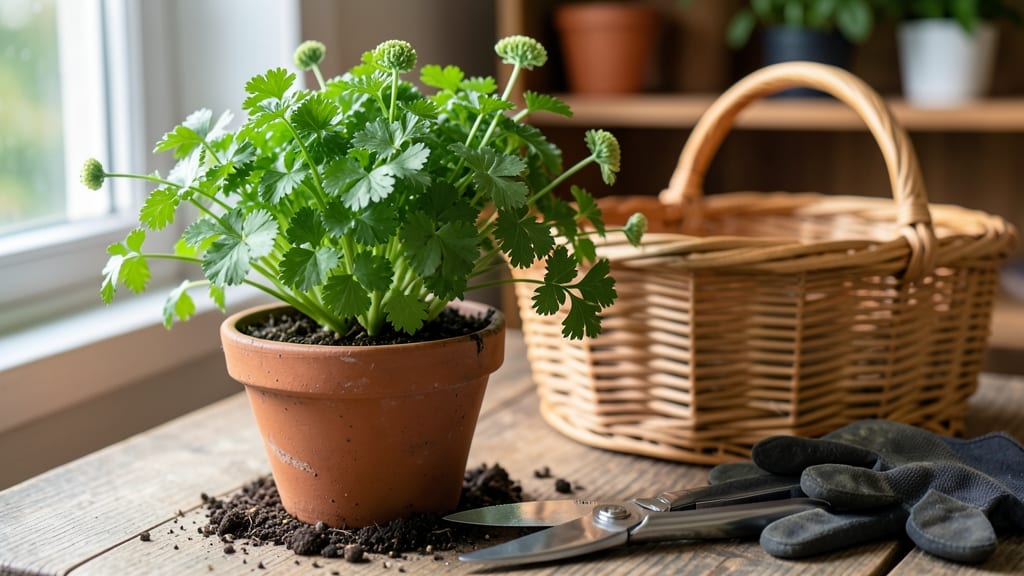
Harvesting fresh parsley the right way means the difference between a thriving 🌿 parsley plant that keeps giving and one that fades into the background.
Whether you're growing flat-leaf or curly parsley in your garden or containers, knowing when and how to cut stems properly ensures you get flavorful leaves all season long.
Most gardeners make one critical mistake when harvesting parsley: they cut too much or in the wrong place. This can stress your plant and reduce its growth potential. The secret lies in precision—trimming stems just above leaf clusters while leaving enough foliage to keep photosynthesis going.
I'll show you exactly how to do this for continuous harvests from May through October.
Timing matters too. Harvesting parsley too early or too late in the season can lead to bitter flavors or even kill your plant. You'll learn the ideal window for cutting, how to encourage regrowth, and when to avoid harvesting altogether.
With these simple techniques, you'll never have to worry about running out of fresh parsley again.
Ready to transform your parsley patch into a leafy, flavorful powerhouse? Let's dive into the step-by-step guide that will keep your parsley growing strong all season. You'll discover how a little care goes a long way in maximizing your harvest.
When and how to harvest fresh parsley for maximum growth
Timing your parsley harvest correctly ensures you get flavorful leaves while keeping your plant healthy. Start harvesting when your parsley reaches 4-6 inches tall and has at least 6-8 fully formed leaves. This usually happens around 60-75 days after sowing, depending on your climate and growing conditions.
For flat-leaf parsley, you can begin harvesting as soon as the leaves are large enough to use. Curly parsley, however, takes slightly longer to mature—wait until the curls are well-defined before cutting.
Both varieties thrive when harvested at the right time, so patience pays off with a longer harvest season.
✂️ Step-by-Step Parsley Harvesting Guide
- Step 1: Choose a mature outer stem with at least 3-4 leaves.
- Step 2: Use clean, sharp pruners or scissors to cut the stem at a 45-degree angle, about 1 inch above a leaf cluster.
- Step 3: Avoid cutting into the central growing point—this ensures new growth continues.
- Step 4: Harvest outer leaves first to encourage bushier regrowth.
- Step 5: Repeat every 2-3 weeks for continuous harvests.
Always harvest in the morning after dew dries to ensure the leaves are crisp and full of flavor. Avoid harvesting during peak heat or after rain, as this can stress the plant and lead to wilting or disease.
Seasonal timing matters too. In spring and fall, parsley grows vigorously and can handle more frequent harvests. During summer heat, reduce harvesting frequency to prevent stress—focus on light trimming to maintain shape and encourage regrowth.
One common mistake is harvesting too much at once. Never take more than 1/3 of the plant in a single session, or you risk shocking the roots and stunting future growth.
If your parsley starts to bolt (flower), stop harvesting leaves immediately—this signals the end of its productive cycle.
For long-term harvests, fertilize lightly with a balanced 5-10-10 fertilizer every 4-6 weeks during the growing season. This keeps your parsley lush and encourages faster regrowth after each trim. Pair this with consistent moisture (watering in the morning) for best results.
If your parsley is container-grown, harvest slightly less frequently than in-ground plants, as pots dry out faster and stress the roots. Always use well-draining soil and a pot with drainage holes to prevent root rot, which can weaken the plant and reduce harvest quality.
Pro tip: Store freshly harvested parsley by trimming stems and placing them in a glass of water on your countertop. This mimics its natural growing conditions and keeps it fresh for up to 10 days, just like a bouquet of flowers.
With the right technique, your parsley plant can provide continuous harvests for months. The key is balance—harvest enough for your needs, but leave enough foliage to sustain growth. Your plant will thank you with bold, flavorful leaves all season long! 🌿
When and how to harvest parsley for maximum growth
Parsley thrives when you harvest it at the right time and using the correct technique.
For flat-leaf parsley, you can start harvesting as soon as the leaves reach 4-6 inches tall, usually around 60-75 days after planting. Curly parsley takes slightly longer—wait until leaves are fully formed and dark green.
Always harvest in the morning when essential oils are at their peak for maximum flavor.
To encourage continuous growth, focus on harvesting outer leaves first. This method protects the plant’s center while stimulating new leaf production. Avoid cutting into the main stem or you risk killing the plant.
Instead, use sharp clean scissors or pruning shears to snip stems just above a leaf cluster or leaf node.
🌿 Step-by-Step Parsley Harvesting Guide
- Step 1: Choose mature outer leaves (4-6" tall) or stems with 4-5 leaves.
- Step 2: Hold the stem firmly and cut just above a leaf node at a 45-degree angle.
- Step 3: Leave at least 3-4 inches of growth on the plant to maintain energy.
- Step 4: Harvest every 2-3 weeks during peak growing season (May-October).
- Step 5: Rinse leaves gently in cool water and pat dry with a paper towel.
Seasonal timing matters too. In spring and fall, parsley grows more slowly, so harvest sparingly. During summer’s peak growth (June-August), you can harvest more frequently. Always avoid harvesting when plants are stressed by heat or approaching bolting (flowering stage), as this reduces flavor and yield.
Did you know? Flat-leaf parsley has a milder, sweeter flavor and grows faster than curly parsley. If you’re growing both, harvest flat-leaf varieties more aggressively—they bounce back quicker. For curly parsley, focus on individual leaf harvesting to preserve the plant’s shape and encourage bushier growth.
Never harvest more than one-third of the plant at a time, even during peak season. This rule prevents over-stressing the plant and ensures you’ll have fresh parsley for months. After each harvest, give your parsley a light watering to help it recover quickly.
For the best results, harvest parsley before flowering. Once parsley bolts (sends up flower stalks), the leaves become bitter and less flavorful. If you notice flower buds forming, trim them immediately to redirect the plant’s energy back into leaf production.