
Picking
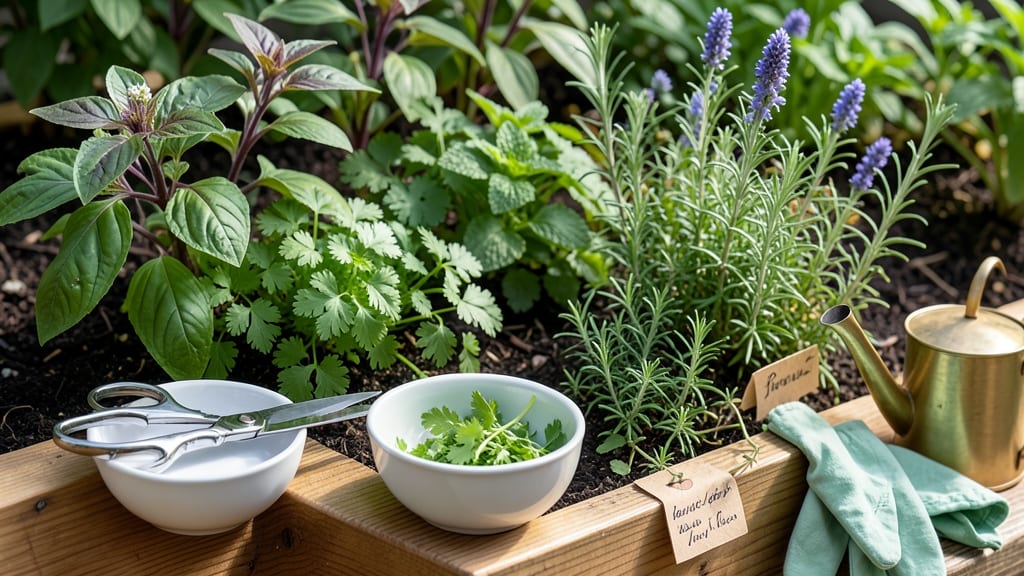
Harvest herbs by cutting just above a leaf node or set of leaves to stimulate regrowth, using clean scissors, and never removing more than one-third of the plant at once. Avoid cutting woody stems to encourage bushier growth and frequent harvesting for continuous yields.
Harvesting herbs the right way isn't just about getting fresh leaves—it's about giving your plants the best chance to thrive. 🌿 Cutting above a leaf node (where new growth emerges) triggers the plant's natural growth hormones, which means you'll get bushier, more productive plants.
I've found that morning harvesting works best because the oils in herbs are most concentrated then, plus the plants have the entire day to recover before nightfall. For delicate herbs like basil, I aim for weekly harvests, while hardier varieties like rosemary can handle less frequent trimming without stress.
What many gardeners overlook is the importance of clean tools—dull or dirty scissors can crush stems and introduce diseases. Always sterilize your blades with rubbing alcohol between plants, and make sure to cut at a 45-degree angle just above a leaf node.
This small detail makes a huge difference in how quickly your herbs bounce back. The one-third rule isn't arbitrary—it prevents shock to the plant's root system while still giving you plenty of material to use.
💡 In This Article
- Optimal Herb Pruning Points for Bushier Growth
- Seasonal Herb Harvesting Schedule by Type
Optimal herb pruning points for bushier growth
When you snip herbs at the right spot—just above a leaf node—you're tapping into the plant's natural growth system. These nodes contain auxiliary buds, tiny growth points that can sprout into new stems or leaves when stimulated.
The plant hormone auxin, which controls cell elongation, concentrates at these nodes, making them prime spots for regrowth. 🌱 Cutting here sends a signal to the plant to redirect energy from flowering (which weakens the plant) back into leafy, flavorful growth.
The science gets even more interesting with cytokinins, another hormone that promotes cell division. When you remove older leaves, these hormones surge in younger tissues, encouraging denser foliage. This is why frequent, light harvesting (rather than one heavy cut) produces bushier plants.
For example, basil responds dramatically to this method—cutting above the fourth set of leaves from the top triggers four new branches to form within weeks. The key is precision: avoid cutting into woody stems, which contain less active growth tissue and more lignin (a tough, rigid compound).
Herbs like rosemary and thyme have thicker stems that store more water and nutrients, so they handle pruning differently. Their woody stems contain dormant buds deeper within, but cutting too close to them risks stressing the plant.
Instead, focus on the green, leafy growth—this is where the plant's energy is concentrated. For these hardier herbs, I recommend trimming back one-third of the oldest growth in early spring to encourage new shoots before their natural dormancy period.
Temperature and light also play crucial roles in how well herbs regrow. Pruning in morning sunlight (when temperatures are cooler) reduces stress on the plant, while avoiding evening cuts prevents overnight moisture buildup that can lead to rot.
The 45-degree angle cut isn't just for aesthetics—it increases surface area for faster healing. This technique works across all herbs, but the timing varies: basil thrives with weekly cuts, while rosemary can go 4-6 weeks between harvests without stress.
What most gardeners miss is how pruning affects flavor. Regular harvesting keeps herbs producing volatile oils (like limonene in lemon balm or thymol in thyme) that give them their signature aromas.
A well-pruned plant stays 30-50% more productive than one left to grow wild, with leaves that are 2-3 times more flavorful per square inch. The secret? Balance—never remove more than one-third of the plant's total growth in a single session, or you'll trigger dormancy instead of regrowth. 🌿