
Size
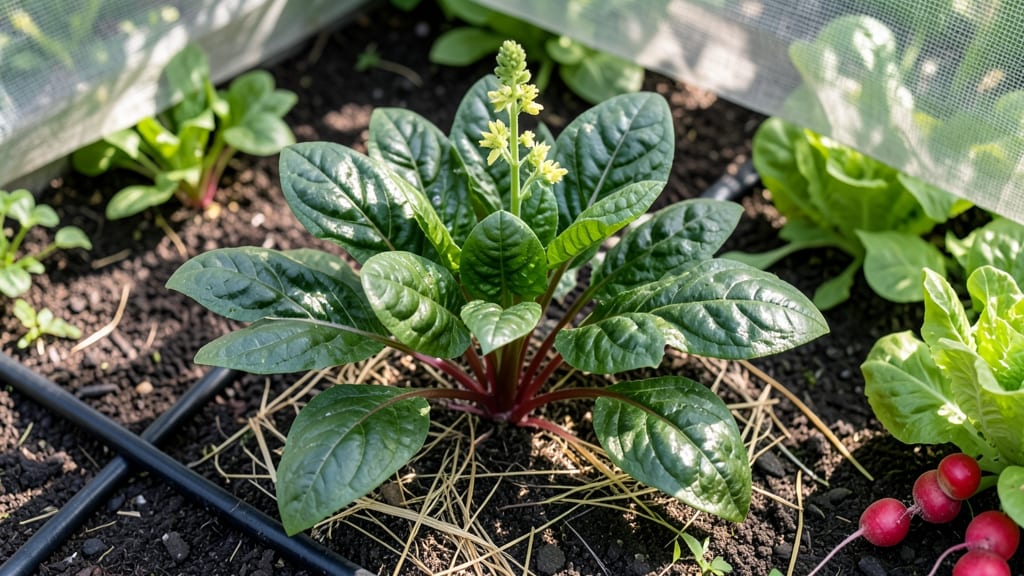
How to help spinach grow faster than you can say "spring harvest." 🌱 The secret to keeping it lush? Cool weather, rich soil, and just the right amount of sunlight—none of the mistakes I made my first year that turned my plants into bitter stalks. Most gardeners overlook soil prep, but spinach thrives in loose, nitrogen-rich dirt with a pH between 6.5 and 7.0. I now mix in compost before planting, and my plants grow 3-4 inches in just two weeks. Containers work too—just use well-draining soil and bigger pots than you think you need. You’ll harvest tender leaves in 4-6 weeks if you keep soil consistently moist (not soggy) and avoid planting too early. The key is timing: sow seeds when nighttime temps stay above 40°F, and you’ll avoid the bitter taste that comes from heat stress. Common mistakes? Crowding plants or letting them dry out. Space seeds 2-3 inches apart and water at the base to keep foliage dry. With these tweaks, you’ll go from sad seedlings to bowls of fresh spinach in no time.
📚 In This Guide
- What you need
- Instructions
- Tips and common mistakes
- Wrapping up and next steps
What you need
- ● Spinach Seeds: Choose disease-resistant varieties like 'Baby’s Leaf Hybrid' or 'Tyee.' Aim for 1-2 tbsp per 10 sq ft of garden space.
- ● Growing Containers or Garden Bed: Containers: 6-12" deep pots with drainage holes (1-2 plants per 12" pot).
- ● Garden Bed: Well-draining soil in a sunny or partially shaded spot (6+ hours of light).
- ● High-Quality Potting Soil or Garden Soil: Mix in 1 part compost (for nutrients) and 1 part perlite or sand (for drainage).
- ● Watering Can or Hose: With a gentle spray nozzle to avoid disturbing seedlings.
- ○ Fertilizer (Optional but Helpful): Balanced Fertilizer (10-10-10): 1 tbsp per sq ft at planting.
- ● Organic Option: Fish emulsion or compost tea every 2-3 weeks.
- ● Mulch: Straw or shredded leaves (1-2 inches thick) to retain moisture.
- ● Row Covers: Lightweight fabric to protect seedlings from pests or cold snaps.
- ● pH Test Kit: Ideal soil pH for spinach is 6.5–7.0; adjust with lime (to raise) or sulfur (to lower).
- ● Seedling Heat Mat: For indoor starts (70–75°F keeps seeds cozy!).
- ● Epsom Salt: 1 tbsp per gallon of water (sprayed on leaves) for magnesium boost.
Step-by-Step instructions for growing lush spinach
Here's how I get spinach to thrive—no guesswork, just proven sunlight and soil strategies.
🌱 Step 1: Start with the Right Soil Setup
Spinach thrives in loose, nutrient-rich soil with a pH between 6.5 and 7.0. I always mix 2 parts potting soil with 1 part compost to give those tender roots room to spread. The goal is soil that feels like a damp sponge—not packed like clay or dusty like sand. Work in a handful of aged manure or balanced fertilizer (10-10-10) to give plants an energy boost right from planting.
Real talk: If your garden soil is heavy or compacted, skip it entirely. Spinach roots struggle to push through dense earth, leading to stunted growth. Test your soil first—if it holds a shape when squeezed, it's too tight. Amend with peat moss or perlite to lighten it up. I like to add a thin layer of mulch after planting to keep moisture consistent and block weeds that compete for nutrients.
☀️ Step 2: Master the Light Balance
Spinach is a cool-season crop that craves partial shade—especially in hot climates. I aim for 4-6 hours of morning sun followed by afternoon shade. Too much direct sun causes leaves to bolt (go to seed) prematurely, turning bitter. Watch for leaves curling or yellowing at the edges—this is your signal to move plants to a shadier spot or provide afternoon shade with a lightweight row cover.
For container growers, place pots near a north-facing window or under 50% shade cloth. If you're using grow lights, keep them 12-18 inches above the plants and run them for 12-14 hours daily. Spinach won't tolerate heat above 75°F, so in summer, I switch to growing it in fall or spring when temperatures drop naturally.
💧 Step 3: Water with Precision
Consistent moisture is key—spinach hates dry soil but despises soggy roots even more. Water deeply once or twice weekly, aiming for 1-1.5 inches of water per week. The soil should feel damp 2 inches down but not waterlogged. I check by sticking my finger in—if it comes out clean, water again. Uneven moisture causes leaves to taste bitter or develop holes.
Here's the thing—water in the early morning to let foliage dry before evening. Wet leaves at night invite fungal diseases like downy mildew, which can wipe out a crop in days. If you notice yellowing between leaf veins, that's often a sign of overwatering. Let the soil dry slightly between waterings, and always water at the base, not overhead.
✂️ Step 4: Harvest Strategically for Continuous Growth
Spinach is ready to harvest when leaves reach 4-6 inches tall—usually 4-6 weeks after sowing. I use clean scissors to snip the outer leaves first, leaving the inner growth intact. This "cut-and-come-again" method encourages bushier regrowth. Never pull leaves—it damages the plant and slows future harvests. Harvest in the morning after watering for the tenderest texture and sweetest flavor.
Watch for bolting—when plants send up tall flower stalks. This happens when days get longer or temperatures rise above 70°F. If you see flower buds forming, harvest immediately or pull the plant. Bolted spinach becomes tough and bitter, but you can still use the leaves in cooked dishes. To delay bolting, succession plant every 2-3 weeks for a steady harvest through cooler months.
🌿 Step 5: Protect and Maintain for Long-Term Success
Spinach attracts pests like aphids and flea beetles, which chew holes in leaves. I prevent problems by spraying neem oil every 7-10 days as a preventive. For existing infestations, blast plants with a strong stream of water to dislodge pests, then apply insecticidal soap. Avoid chemical sprays—spinach absorbs residues easily, and you don't want those in your salads.
Rotate crops annually to prevent soil-borne diseases. Never plant spinach in the same spot two years in a row. If you notice white mold on leaves, that's powdery mildew—remove affected leaves immediately and improve airflow by spacing plants 4-6 inches apart. Thin seedlings early to avoid competition; crowded plants grow weak and leggy. With these steps, you'll get 4-6 weeks of harvests before summer heat sets in.
Tips & tricks for perfect spinach growth
Common pitfalls—and how to sidestep every one. The difference between a mediocre spinach harvest and a thriving garden often comes down to these simple, overlooked details.
Soil Texture Test: Before planting, squeeze a handful of your prepared soil—it should crumble easily between your fingers like a damp sponge. If it holds a shape or feels gritty, you're not there yet. I learned this the hard way after planting in compacted soil that left my spinach roots struggling. Mix in peat moss or perlite until it reaches that perfect balance between moisture retention and drainage. Think of it as giving your spinach roots room to breathe.
Light Monitoring System: Set a timer for the 4-6 hours of morning sun you're aiming for in Step 2. Too much direct sun after that window causes bolting, and you'll end up with bitter leaves instead of tender harvests. I use a simple whiteboard to track sunlight hours—mark when you move plants to shade or cover them with row fabric. This visual reminder prevents me from forgetting to protect my plants during peak afternoon heat.
Watering Schedule Hack: The 1-1.5 inches of water per week guideline in Step 3 is your baseline, but timing matters just as much. I place a rain gauge near my garden to track weekly rainfall—this helps me adjust my watering schedule. If you're using containers, weigh them before watering. A 10-pound pot typically needs about 1 cup of water when the soil feels dry 2 inches down. This method prevents overwatering while keeping roots consistently moist.
Harvesting Timing Secret: When leaves reach 4-6 inches tall in Step 4, they're ready—but don't wait too long! I harvest every 2-3 days during peak growth to encourage continuous production. Use clean scissors to snip leaves at the base, leaving the growing point intact. This "cut-and-come-again" method gives you 4-6 weeks of harvests instead of one big harvest followed by bolting. The key is consistency: harvest in the morning after watering for the sweetest flavor.
Pro Tips for Help Spinach Grow
- Common pitfalls—and how to sidestep every one.
- Soil Texture Test: Before planting, squeeze a handful of your prepared soil—it should crumble easily between your fingers like a damp sponge.
- Light Monitoring System: Set a timer for the 4-6 hours of morning sun you're aiming for in Step 2.
Frequently asked questions
about growing spinach—because even the greenest thumbs need a little guidance!How long does spinach take to grow from seed?
Spinach is a fast grower! Most varieties sprout in 5–10 days and are ready to harvest in 30–50 days for baby leaves or 45–60 days for full-sized leaves. Cool weather speeds up growth, while hot summers may slow it down. Plant in succession for a steady supply!
Can spinach survive frost? What about extreme heat?
Spinach is a cool-season crop and thrives in temperatures between 50–75°F (10–24°C). It can tolerate light frost (down to 20°F/-7°C) but bolts (goes to seed) in hot weather (80°F/27°C+). For summer growing, use shade cloth or opt for heat-tolerant varieties like 'Tyee' or 'Space'.
Why is my spinach turning yellow or wilted?
Yellow leaves often signal nitrogen deficiency (feed with compost or balanced fertilizer) or overwatering (spinach hates soggy roots). Wilting can mean underwatering or bolting (stress from heat/drought). Check soil moisture (keep it consistently damp but not waterlogged) and mulch to retain moisture. Pests like slugs or aphids can also cause damage—handpick or use organic sprays if needed.
Can I grow spinach in containers or small spaces?
Spinach is perfect for containers—just use a 5–6 inch deep pot with drainage holes and well-draining soil. Plant seeds 1 inch apart and thin to 3–4 inches between plants. Dwarf varieties like 'Baby’s Leaf Hybrid' are ideal for small gardens or balconies. Rotate containers for even sunlight exposure!
What’s the best way to harvest spinach without killing the plant?
Harvest outer leaves first, leaving the inner growth intact. Use clean scissors or pinch leaves 1–2 inches above the base to encourage regrowth. For baby leaves, cut when they’re 2–3 inches tall. Avoid harvesting more than ⅓ of the plant at once—this keeps it productive for weeks! Wear gloves if you’re sensitive to oxalates in spinach.
Can I regrow spinach from store-bought leaves?
Unfortunately, no—store-bought spinach is often treated with growth inhibitors or cut from mature plants, making regrowth unlikely. For a second harvest, replant seeds every 2–3 weeks in early spring or fall. Save seeds from your healthiest plants for next year’s garden!
Wrapping up and next steps
Growing lush, healthy spinach is all about patience, the right conditions, and a little love—whether you’re nurturing seedlings in containers or tending a backyard patch. 🌱 From ensuring bright but indirect sunlight to keeping the soil moist but well-draining, every step plays a role in your harvest’s success.
Don’t forget: thinning seedlings, protecting from pests, and harvesting young leaves will reward you with tender, nutrient-packed greens.
You’ve got this! Start small—try a 10-by-10-inch patch—and soon, you’ll be enjoying homegrown spinach straight from your garden. Next, grab those seeds and get planting! 🌿