
How To
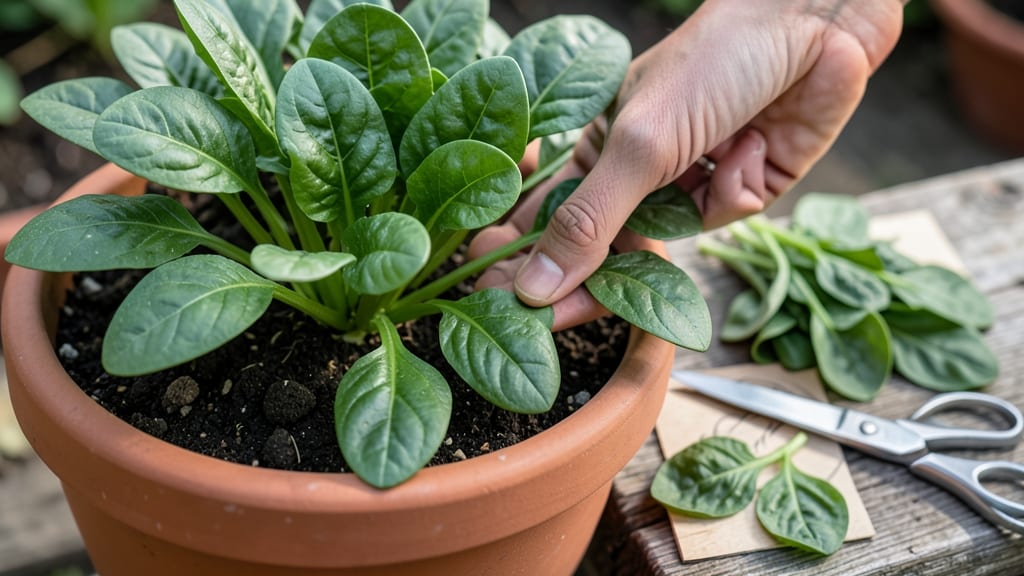
Learning how to know when to harvest spinach can mean the difference between a crisp, flavorful salad and a bitter, tough pile of greens you’ll barely recognize.
That perfect moment arrives when your 🍃 spinach leaves hit just the right size and color—deep, vibrant green with a slight crunch that tells you they’re ready to pick.
If you’ve ever pulled spinach from your garden only to find it tough or overly fibrous, you’re not alone. The key is catching those leaves at their peak, before they bolt or turn bitter.
I’ll show you the three simple visual cues to look for so you never miss the window again.
Timing matters, especially in Zone 6a, where spring and fall harvests can vary by weeks. Whether you’re planting in March-April or August-September, these tips will help you maximize your yield and flavor—no guesswork required.
Ready to transform your spinach harvest from hit-or-miss to consistently delicious? Let’s dive into the exact signs that tell you it’s time to grab those shears and start picking.
3 Leaf-color tests to identify perfectly harvest-ready spinach
Spinach is one of those fast-growing greens where timing matters more than you think. If you harvest too early, you’ll get small, underdeveloped leaves. Wait too long, and you’ll end up with bitter, tough greens that even your favorite recipes can’t save.
The key? Learning to read your spinach’s leaf color and texture like a pro. Here’s how to spot the perfect moment.
The best spinach for eating—whether raw in salads or cooked in your favorite dishes—has deep green, vibrant leaves that are crisp but tender. But not all green leaves are created equal.
Some are ready to pick, while others need more time. Let’s break down the three leaf-color tests that’ll help you harvest at peak flavor and texture.
⚠️ NON-NEGOTIABLE: The numbered-highlights visual element is required below. Use the exact HTML template structure with gardening-specific content.
Don’t overlook the texture test—this is where many gardeners miss the mark. Ready-to-harvest spinach should feel firm but tender when you gently squeeze it. If it feels mushy or rubbery, it’s past its prime.
Think of it like testing a ripe avocado: you want that perfect balance between softness and structure.
Another pro tip? Harvest in the morning when leaves are crispest and most flavorful. The cool night temperatures help lock in sweetness, so you’ll get the best taste right after sunrise. If you’re harvesting for a recipe, this timing ensures your spinach stays fresh longer too.
Seasonal variations matter here. In spring and fall, spinach grows slower, so you’ll need to wait closer to the 50-60 day mark for full maturity.
But in warmer microclimates, spinach can bolt (go to seed) faster, so keep an eye out for flower stalks—this is your last chance to harvest before the plant shifts its energy.
If you’re growing baby spinach varieties like 'Baby’s Leaf Hybrid,' you can start harvesting as early as 30 days after planting. For larger varieties like 'Giant Winter,' wait until the leaves reach 6 inches or more.
The key is consistency: pick outer leaves first to encourage new growth in the center.
One final warning: never harvest spinach after a hard frost if you’re growing it in fall. While spinach can tolerate light frosts (which actually sweeten the leaves), a heavy freeze will turn them mushy and inedible. Always check your local first frost date and plan accordingly.
Master these leaf-color tests, and you’ll always know when your spinach is at its peak. Your salads, stir-fries, and smoothies will thank you! 🍃
3 Leaf-color tests to identify perfectly harvest-ready spinach
Spinach leaves transform from pale green to deep emerald as they mature—this color shift is your first clue it's time to harvest. The richer the hue, the more nutrients your spinach contains. Look for leaves with bold veins and a glossy finish, signaling peak flavor and tenderness.
For baby spinach, harvest when leaves reach 3-4 inches long—they’ll be sweeter and more delicate. Mature spinach should be 4-6 inches long with a firm texture. If you miss the window, leaves turn bitter and tough, ruining their culinary potential.
Don’t rely solely on size—touch-test your spinach before harvesting. Gently pinch a leaf; if it feels firm yet tender, it’s ready. Overly soft leaves indicate overwatering, while brittle leaves suggest drought stress. Both conditions compromise flavor.
Pro tip: Harvest outer leaves first to encourage regrowth. This method, called cut-and-come-again, lets you enjoy a continuous supply. Just leave the youngest inner leaves intact—they’ll keep producing for 4-6 weeks after planting.
Timing matters too. In spring and fall, spinach matures faster due to cooler temperatures. Summer heat accelerates bolting (flowering), so harvest aggressively to prevent bitterness. Aim to pick leaves every 2-3 days during peak growth.
One final check: Taste-test a small leaf. If it’s sweet and crisp, you’ve nailed the harvest window. If it’s earthy or bitter, it’s past its prime—time to adjust your future harvesting schedule. 🌱