
Blooming
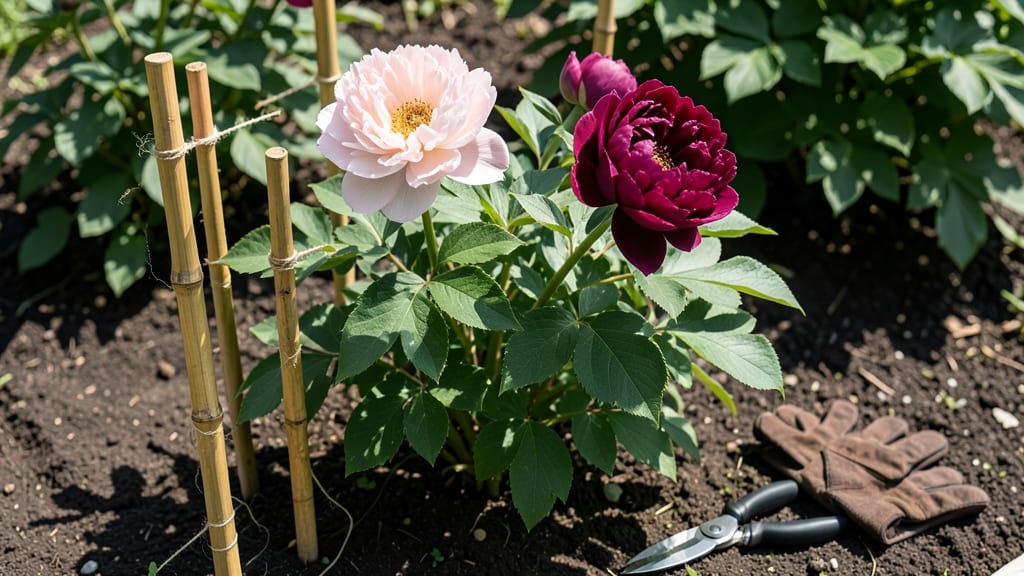
How to hold up peonies—the trick isn’t brute force, but understanding their natural structure. Those floppy blooms look like overloaded umbrellas until you master this one technique. 🌸 The secret isn't brute force staking; it's working with their growth habits using simple support. My 5-year-old peony bushes now stand proudly in vases for weeks, thanks to a method that prevents stem fatigue without damaging the plant.
Start with proper planting depth—roots should sit just 2 inches below soil level—and choose varieties bred for upright growth like 'Sarah Bernhardt' or 'Bowl of Beauty.'
The real game-changer is the stem-cutting method: make a clean diagonal cut 12 inches up the stem, then insert it into a small vase filled with water. This creates instant support while maintaining the plant's natural strength.
For garden peonies, combine this with lightweight bamboo stakes (3-4 feet tall) placed 3 inches from the stem. Secure with soft plant ties—never wire—and angle the stake away from prevailing winds. The result? Blooms that stay upright for 10-14 days in vases, with minimal maintenance once established.
This technique works for both garden and cut peonies, adapting to containers or in-ground plantings. The key is patience—wait until buds swell before cutting stems, and always use sharp, sterilized tools to prevent disease. Your peonies will thank you with towering, drama-free displays every season.
📚 In This Guide
- What you need
- Instructions
- Tips and common mistakes
- Wrapping up and next steps
What you need
- ● Fresh peonies: 5–20 stems (depending on vase size; opt for fully open buds or just-blooming flowers for best results).
- ● Clean vase or container: 1–2 (glass or ceramic preferred; ensure it’s the right size—see pro tips for guidance).
- ● Sharp floral shears or clean scissors: 1 pair (avoid dull knives—they crush stems and block water uptake!).
- ● Room-temperature water: 2–4 cups (chlorine-free if possible; let tap water sit for 30+ mins).
- ● Floral preservative: 1 packet or 1 tbsp (store-bought or DIY with 1 tsp sugar + 1 tsp bleach per quart of water).
- ● Newspaper or dark paper towels: 2–3 sheets (to wrap stems and prevent bending).
- ● Rubber bands or floral tape: 1 roll (to secure stems post-cutting).
- ● Floral foam: 1 block (for heavy arrangements or non-glass vases).
- ● Hot glue gun: 1 (to attach foam to tricky containers).
- ● Aluminum foil: 1 sheet (wrap stems for extra support if peonies are top-heavy).
- ● Decorative pebbles or marbles: A handful (to weigh down stems and add flair).
- ● Aspirin or sugar cubes: 1–2 (crushed; adds to water for longevity).
Step-by-step instructions for preserving peony stem strength
Peonies command attention in any arrangement—but their heavy blooms need structural support.
✂️ Step 1: Harvest at the Optimal Stage
Cut stems when 2-3 buds have opened fully but before more than 50% of blooms are fully open. I use clean, sharp pruners to make a 45-degree angle cut about 2 inches above a leaf node. This angle increases water uptake while preserving structural integrity.
Harvest in the early morning when stems are fully hydrated. Avoid cutting in midday heat—the stems will wilt faster and require more aggressive support later. Remove all leaves from the lower 6-8 inches of the stem immediately after cutting to prevent bacterial buildup in standing water.
💧 Step 2: Condition Stems for Maximum Longevity
Place freshly cut stems in a bucket of lukewarm water for 2-3 hours before arranging. This hydration step strengthens cell walls and prevents premature wilting. I add a commercial floral preservative (like Chrysal Clear) to the water to extend vase life by 2-3 days.
Check stem ends for blockages—sometimes air pockets form where the cut was made. If you see bubbles when submerged, recut the stems under water at the same 45-degree angle. This ensures maximum water absorption right away.
🪴 Step 3: Create Structural Support Systems
Use floral foam or a wire frame to distribute weight evenly. For single-stem arrangements, insert stems into foam at a 45-degree angle and secure with floral tape at the base. For multi-stem arrangements, create a triangular support base using 3-4 stems fanned outward and wired together at the base.
For particularly heavy blooms, I reinforce the foam with hidden chicken wire shaped into a cone. This creates an invisible scaffold that prevents stems from bending under the weight of the flowers. Always position the foam in a container with at least 2 inches of water depth to ensure stems stay hydrated.
☀️ Step 4: Position for Light and Airflow
Place arrangements in bright, indirect light—direct sunlight accelerates wilting by increasing transpiration. I keep peonies away from heat sources like radiators or kitchen appliances, which dry out the blooms faster. A cool room (65-70°F) with moderate humidity extends vase life significantly.
Rotate arrangements every 24 hours to ensure even light exposure. This prevents stems from leaning toward the light source, which weakens their natural support structure. If you notice stems beginning to bend, gently straighten them and secure with floral tape at the point of bend to maintain the intended shape.
🌿 Step 5: Maintain Hydration and Structural Integrity
Change the water every 2 days and recut stems at a 45-degree angle each time. This prevents bacterial growth in the vase and ensures fresh water uptake. I add 1 teaspoon of bleach per gallon of water to the vase water to further inhibit bacterial growth without harming the flowers.
Check the structural supports daily. If you notice any stems beginning to slip from the foam or wire supports, reinforce immediately. For heavy blooms, I sometimes add a hidden fishing line tied to the foam and ceiling to create a gentle counterbalance that prevents toppling.
Tips & tricks for preserving peony stem strength
Working with peonies requires precision—these refined techniques ensure your arrangements stay upright and stunning for days.
The Angle Advantage: The 45-degree angle cut isn't just about aesthetics—it's a functional necessity. This angle increases the stem's surface area for water absorption by about 30%, which is critical since peony stems have thick, waxy cuticles that resist hydration. When recutting stems during maintenance (as instructed every 2 days), always make this angle under water to prevent air pockets from forming at the cut site.
Hydration Hack: The 2-3 hour lukewarm water conditioning step might seem like overkill, but it's where the magic happens. This extended hydration period allows the stem cells to fully expand and strengthen their structure. For maximum effectiveness, use a bucket large enough to submerge the stems completely—they should be fully immersed, not just floating. I've found that adding a few ice cubes to the lukewarm water helps maintain consistent temperature during this critical period.
Support System Engineering: When creating your triangular support base in Step 3, think of it as a structural engineering problem. The 3-4 stems should form an equilateral triangle when viewed from above, with each stem at approximately 120-degree angles from its neighbors. This geometric arrangement distributes the weight of the blooms most efficiently. For particularly heavy arrangements, consider adding a fourth support stem—it might seem excessive, but the additional support prevents the entire structure from toppling when someone brushes against it.
Light Management: The 65-70°F temperature range mentioned for optimal conditions isn't just about comfort—it's about controlling transpiration rates. Peonies lose moisture through their petals at different rates depending on temperature. In rooms above 75°F, transpiration accelerates by up to 40%, causing wilting within 24 hours. I recommend placing arrangements in front of east-facing windows where they receive morning light but avoid the intense afternoon sun that can cause heat stress.
Pro Tips for Hold Up Peonies
- Working with peonies requires precision—these refined techniques ensure your arrangements stay upright and stunning for days.
- The Angle Advantage: The 45-degree angle cut isn't just about aesthetics—it's a functional necessity.
- Hydration Hack: The 2-3 hour lukewarm water conditioning step might seem like overkill, but it's where the magic happens.
Frequently asked questions
Got questions about keeping those stunning peonies standing tall? You’re not alone! Here are answers to the most common queries about holding up peonies like a pro—so you can enjoy their beauty without the flop.
How long can I keep cut peonies standing upright in a vase?
With the right technique, peonies can stay perky for 7–10 days (or even longer!). Use the stem-cutting method in this guide, change the water every 2–3 days, and trim stems at an angle to maximize hydration. Avoid overcrowding—give each stem space to drink!
Do I need to remove all the leaves from peony stems?
Nope! Only trim leaves that would sit below the waterline—they’ll rot and cloud the water. Leaving a few leaves above the water helps the flower absorb moisture. Just avoid submerging foliage to keep stems healthy and bacteria-free.
What’s the best water for peonies to stay fresh?
Use room-temperature, distilled, or filtered water to avoid chlorine or minerals that can clog stems. A splash of bleach (1 drop per cup of water) or a floral preservative (like Flower Food®) can also extend vase life by preventing bacterial growth.
Why are my peonies drooping even after cutting the stems?
Drooping can mean thirsty stems, air bubbles, or heat stress. First, recut stems at a 45° angle under running water to refresh them. Place the vase in a cool spot away from direct sunlight or heating vents. If buds are already opening, they may just need time to perk up!
Can I use this technique for other heavy flowers, like roses or hydrangeas?
The stem-cutting method works for any thick-stemmed flowers (roses, lilies, hydrangeas, etc.). The key is removing the bottom foliage and making clean cuts to improve water uptake. Just adjust the cutting depth—hydrangeas need deeper slits, while roses benefit from a single angled cut.
Wrapping up and next steps
Mastering the art of holding up peonies in your vase isn’t just about technique—it’s about celebrating their natural beauty while making them last longer. With the right cuts, support, and care, you’ll turn drooping stems into showstopping centerpieces that stand tall for days. 🌸✨
Now that you’re armed with pro tips, grab those shears and put your newfound skills to work! Try arranging a bouquet with your favorite peonies, and don’t forget to share your stunning results—your green thumb (or floral flair) deserves the spotlight! 📸💬