
Pests
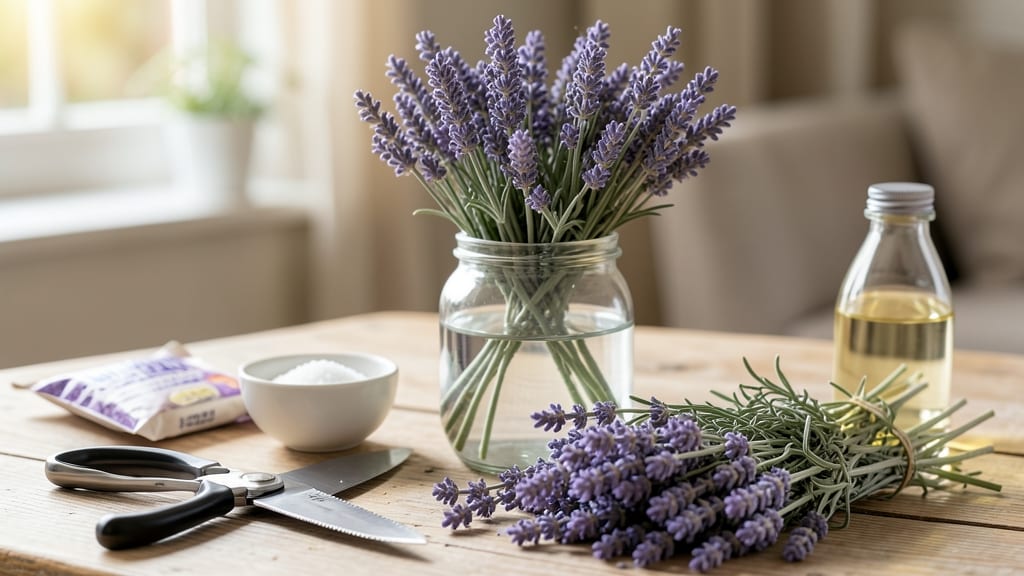
How to keep cut lavender fresh isn’t just luck—it’s timing, technique, and a few unexpected tricks that turn floppy stems into fragrant bundles lasting weeks instead of days.
Start by cutting stems at the right time—early morning after dew dries—but before the heat peaks. Trim stems at an angle, strip leaves from the bottom (they rot in water), and place them immediately in lukewarm water with a splash of sugar (1 tsp per quart) to feed the stems.
Most people skip this step and wonder why their lavender fades in 24 hours instead of 2 weeks.
Once home, recut stems every 2-3 days to keep water flowing, and change the water daily. For extra longevity, store stems upside-down in a cool, dark place (like a pantry) when not displaying them. The result? Lavender that stays plump, fragrant, and vibrant long after store-bought bouquets turn to dust.
Even with perfect care, some stems may brown at the base—this is normal! Just trim below the browning and refresh the water. The key is consistency: daily water changes and weekly stem trims keep lavender fresh until it’s truly ready to dry for potpourri or sachets.
📚 In This Guide
- What you need
- Instructions
- Tips and common mistakes
- Wrapping up and next steps
What you need
- ● Freshly cut lavender – Choose budding or early-blooming stems (avoid fully opened flowers for longer freshness). Aim for 1–2 bunches (5–10 stems each), depending on your drying space.
- ● Sharp pruning shears or scissors – Clean, sterilized tools to avoid damaging stems or introducing bacteria.
- ● Paper towels or clean kitchen towels – 2–3 sheets to gently pat dry excess moisture.
- ● Drying method of choice: Air-drying: A well-ventilated space like a mesh laundry bag, hanging bundle, or open cardboard box with holes.
- ○ Oven-drying (optional for speed): A low-heat oven (170–200°F) and a baking sheet lined with parchment paper.
- ● Microwave (quick method): A microwave-safe plate and paper towels for moisture absorption.
- ● Air-tight storage container – A glass jar, ceramic crock, or resealable bag with a silicone desiccant packet (or uncooked rice) to absorb moisture.
- ● A spray bottle with distilled water (for occasional misting if humidity is low).
- ● Essential oils (lavender or citrus) – A few drops in storage for extra fragrance.
- ● Dried silica gel packets – For long-term moisture control in sealed containers.
- ● Decorative elements – Twine, lace, or fabric scraps to elevate your dried lavender displays!
Step-by-Step instructions for preserving cut lavender
Turn your fresh lavender harvest into long-lasting, fragrant bundles with this professional drying method.
Harvest at Peak Freshness
Cut lavender stems in the morning after dew has evaporated but before the heat of the day sets in. Look for buds that are just beginning to open—they’ll yield the most fragrant, vibrant flowers. Use clean, sharp scissors or pruning shears to avoid crushing stems, which can accelerate wilting.
Gather stems in small, loose bundles of about 6-8 stems each, tying them with twine or rubber bands at the base. Avoid overcrowding—too many stems in one bundle will create poor airflow and trap moisture, leading to mold. Trim any damaged or discolored stems immediately to maintain quality throughout the drying process.
Dry in a Controlled Environment
Choose a location with consistent temperatures between 65-75°F and low humidity—a well-ventilated room, a covered porch, or even a garage with open windows works well. Hang the bundles upside down in small groups, ensuring they don’t touch each other or any surfaces. This orientation promotes even drying and prevents the stems from bending.
Drying typically takes 2-4 weeks, depending on humidity levels. Check periodically by gently brushing a flower head—if it crumbles easily, it’s ready. If buds remain green or feel damp, extend the drying time. Avoid direct sunlight, which can bleach the color and reduce fragrance. A shaded, breezy spot is ideal.
Store Properly for Long-Term Freshness
Once fully dried, remove the twine and separate the stems into individual bundles. Store them in an airtight container, such as a glass jar or a sealed tin, in a cool, dark place like a pantry or closet. Keep the container upright to prevent stems from bending over time. For added fragrance, place a few drops of lavender essential oil on a cotton ball inside the container before sealing.
Label the container with the date to track freshness—properly stored lavender can retain its scent and color for up to a year. If you notice the fragrance fading or the stems becoming brittle, it’s time to refresh or replace the bundle. Avoid storing near strong odors, as lavender absorbs smells easily.
Refresh and Reuse Dried Lavender
To revive slightly dried lavender, place the bundles in a paper bag and store them in a warm, dark place for 24-48 hours. The warmth will release trapped moisture, restoring some of the fragrance. Once refreshed, return them to storage. You can also sprinkle a few drops of water or lavender hydrosol on the stems before resealing the container for a quick boost.
Use your dried lavender in sachets, potpourri, or as a natural air freshener. For culinary uses, ensure the lavender is food-grade and pesticide-free before adding it to baked goods or teas. Always test a small amount first, as some varieties can be overly potent.
Tips & tricks for preserving lavender
Mastering the art of drying lavender transforms a fleeting harvest into a year-long treasure trove of fragrance. These refined techniques ensure your bundles stay vibrant and potent.
Bundle Size Matters: The 6-8 stems per bundle in Step 1 creates the perfect balance of airflow and structural integrity. Larger bundles trap moisture, while smaller ones dry too quickly and lose their signature scent. I've found that using rubber bands instead of twine allows for easier adjustment as stems shrink during drying.
Environmental Precision: The 65-75°F temperature range in Step 2 is non-negotiable for consistent results. In humid climates, consider using a small fan on low setting to circulate air without disturbing the bundles. For faster drying in dry conditions, you can reduce the 2-4 week range to 1-2 weeks by increasing airflow, though this may slightly reduce fragrance intensity.
Storage Enhancement: Beyond the airtight container recommendation in Step 3, I add a silica gel packet to my storage jars. This absorbs any residual moisture that could accelerate scent degradation. For visual appeal, place bundles in small muslin bags before storing - this maintains their shape while allowing air circulation within the container.
Pro Tips for Keep Cut Lavender Fresh
- Mastering the art of drying lavender transforms a fleeting harvest into a year-long treasure trove of fragrance.
- Bundle Size Matters: The 6-8 stems per bundle in Step 1 creates the perfect balance of airflow and structural integrity.
- Environmental Precision: The 65-75°F temperature range in Step 2 is non-negotiable for consistent results.
Frequently asked questions
Got questions about keeping your cut lavender fresh and fragrant? You’re not alone! Here are some common concerns—and easy solutions—to help you preserve that dreamy lavender scent and beauty.
How long does cut lavender stay fresh if dried properly?
With the right drying method, cut lavender can stay fragrant for 6 to 12 months or even longer if stored in airtight containers away from moisture and sunlight. The key is patience—rush the process, and you risk losing potency or color.
Can I use a hairdryer to speed up drying lavender?
While a hairdryer can shorten drying time, it’s not ideal. The heat can strip oils and bleach the purple hue, making your lavender less fragrant and visually dull. If you’re in a hurry, use low heat and keep the dryer moving to avoid scorching.
What’s the best way to store dried lavender if I don’t have jars?
No jars? No problem! Try these alternatives:
- Muslin bags or fabric pouches – Breathable and perfect for sachets.
- Paper envelopes – Place a silica gel packet inside to absorb moisture.
- Cardboard boxes with parchment paper – Line the box and add a desiccant.
Why is my dried lavender turning gray or losing its scent?
Graying or fading scent usually means moisture exposure or oxidation. Check your storage spot—is it humid? Are the stems still damp? Transfer to a sealed container with a desiccant (like rice or silica gel) and avoid plastic, which traps moisture.
Can I freeze cut lavender to preserve it?
Freezing works for short-term storage (up to 3 months), but it’s not ideal for long-term use. If you must freeze it, wrap the stems in paper towels, place them in a sealed bag, and thaw only when ready to use. The texture may become brittle, but the scent stays intact!
Wrapping up and next steps
Keeping your cut lavender fresh is all about timing, technique, and care—whether you’re drying it for sachets, potpourri, or culinary uses.
By trimming at the right time, using proper drying methods (like air-drying or dehydration), and storing it in a cool, dark place, you’ll preserve its fragrance and beauty for months to come. 🌿✨
Now that you’re armed with these tips, go ahead and experiment! Try bundling stems for bundles of joy or whipping up lavender-infused treats.
Your future self (and your home) will thank you for the cozy, fragrant results. Ready to dive deeper? Check out our guide on creative lavender uses next!