
Companion Plants
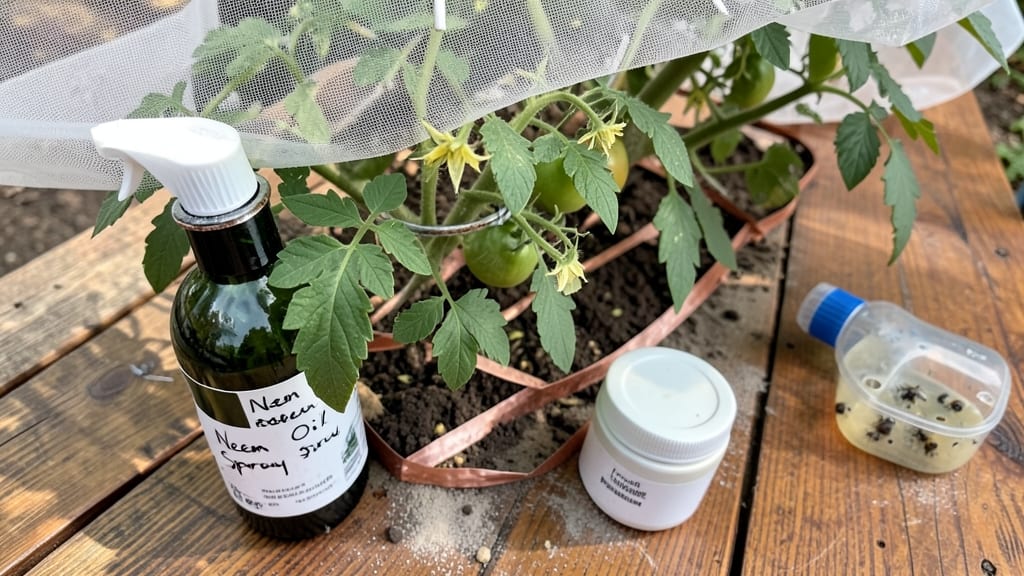
How to keep grasshoppers from eating your plants—it’s easier than you think, and you don’t need toxic sprays to win this battle. The good news? You don’t need toxic sprays to win this battle—just lightweight row covers that smother their appetites while letting sunlight and water through. These breathable barriers work like invisible shields, blocking hoppers without harming your plants or the ecosystem.
The trick is choosing the right fabric—lightweight, UV-stabilized row covers (rated for 30% shade) let in enough sunlight for most vegetables while keeping grasshoppers out. You’ll see immediate results: no more chewed leaves, and your plants grow stronger without stress.
Best of all, it’s a one-time purchase that lasts for years, saving you from repeated pesticide applications.
For long-term protection, combine covers with early planting (before grasshoppers emerge) and trap cropping—sacrificing a few plants like sunflowers to lure them away. The payoff? A garden that thrives without chemicals, and a peace of mind that comes from knowing your veggies are safe from these ravenous jumpers.
Works for any garden size, from small raised beds to full-acre plots. Here’s how to set it up right the first time—no more losing your harvest to these hungry pests again.
Root Causes Of Grasshopper Feasts
Grasshoppers aren’t just random plant nibblers—they’re strategic, hungry survivors with a biological drive to munch your garden down to the roots. Understanding why they target your plants is the first step to outsmarting them. Here’s the science behind their appetite, broken down into key triggers:
Grasshoppers are opportunistic herbivores, meaning they go for the easiest, most nutritious meals first. Your garden’s young, soft, or fast-growing plants are prime targets because:
- Low fiber, high moisture: Grasshoppers prefer plants with thin cell walls (like lettuce or beans) over woody stems. Their mandibles can’t crush tough fibers, so they zero in on succulent, water-rich foliage.
- Nitrogen-rich leaves: Plants high in nitrogen (e.g., clover, corn, or newly fertilized veggies) are like all-you-can-eat salads to grasshoppers. A quick soil test can reveal if your garden’s a nutrient buffet.
- New growth = weak defenses: Young shoots haven’t developed secondary metabolites (natural pesticides like alkaloids in tomatoes) yet, making them vulnerable for the first 3–4 weeks of growth.
Actionable insight: If your garden is a monoculture (one type of plant in a large patch), grasshoppers will devastate it faster than a diverse plot. They’re less likely to strip an entire bed if they have to hop between plant types.
Grasshoppers are cold-blooded, so they’re most active when:
- Temperatures rise above 80°F (27°C): Their metabolism triples in heat, turning them into munching machines. This is why late-summer gardens often see explosive outbreaks.
- Drought stress weakens plants: When soil dries out, plants reduce their defensive chemicals (like tannins) to conserve water. Grasshoppers detect this stress signal and target struggling plants first.
- Southern exposures get priority: Plants on sun-facing sides of your yard dry out faster and are more attractive. Grasshoppers prefer the south/southwest sides of structures or fences.
Pro tip: Mulching (with straw or wood chips) keeps soil moist and reduces grasshopper activity by 40–50% in dry spells. It’s like adding a desert-cooling shade for your plants.
Grasshoppers thrive when their predators are missing. In healthy ecosystems, birds, spiders, and parasitic wasps keep populations in check. But urban and suburban gardens often lack:
| Predator | Why They’re Absent | How to Attract Them |
|---|---|---|
| 🐦 Songbirds (e.g., sparrows, robins) | Few perches, lack of insects for chicks, pesticides | Install birdhouses and birdbaths near gardens |
| 🕷️ Spiders (e.g., wolf spiders, jumping spiders) | Over-tidy gardens (no leaf litter), insecticide use | Leave mulch and rock piles for habitat |
| 🪰 Parasitic wasps (tiny, non-stinging) | Lack of host grasshopper eggs, chemical sprays | Plant native wildflowers (e.g., milkweed, goldenrod) |
Key stat: Gardens with 3+ predator species see 70% fewer grasshopper eggs hatching. The more diversity, the better the natural pest control.
Grasshoppers are generalists, but they specialize in large, uniform plantings because:
- Easy access: A single-species crop (like a cornfield or vegetable row) is a walking buffet. They don’t have to search—just hop and eat.
- Pheromone signals: When grasshoppers find a food source, they release aggregation pheromones to call others. A small patch of one plant = swarm in minutes.
- No escape routes: In diverse gardens, grasshoppers move on when they hit a less-preferred plant (e.g., marigolds or basil). But in a sea of kale, they’ll strip it to the stem.
Solution: Break up large plantings with companion plants like:
- 🌼 Marigolds (release pyrethrin, a natural repellent)
- 🌿 Basil (mask plant scents grasshoppers use to locate food)
- 🌵 Succulents (unpalatable and disrupt their feeding patterns)
Remember: Grasshoppers don’t attack out of spite—they’re following evolutionary logic. By removing the triggers (heat, monocultures, predator shortages), you’re not just repelling them—you’re making your garden less appealing than the neighbor’s.
Natural Fixes for Grasshopper Damage
Grasshoppers may seem like tiny, harmless creatures, but they can quickly turn your garden into a buffet—leaving behind a trail of chewed leaves, stems, and flowers. The good news? You don’t need harsh chemicals to keep them at bay.
Below are targeted, natural solutions tailored to the most common causes of grasshopper infestations, along with preventive tips to protect your plants long-term.
Grasshoppers love dense, easy-to-reach foliage. When plants are packed too closely together, they become a grasshopper smorgasbord—and your garden’s defenses weaken.
How to Fix It:
- 🔥 Thin Out Plants: Space out seedlings and mature plants according to their mature size. Follow seed packet guidelines for proper spacing.
- 🍳 Prune Strategically: Trim back overgrown branches and leaves to improve airflow. Grasshoppers are less likely to linger in well-ventilated areas.
- 👨🍳 Plant in Rows: Arrange plants in single-file rows (like a vegetable garden) instead of clusters. This makes it harder for grasshoppers to hop from one plant to another.
💡 Prevention Tip: Interplant repellent herbs like basil, mint, or thyme between rows. Their strong scents deter grasshoppers naturally.
Newly sprouted seedlings and soft-stemmed plants are grasshopper magnets—they’re easy to munch, and the insects can strip them bare in hours.
How to Fix It:
- 🥘 Use Row Covers Early: Deploy floating row covers (lightweight fabric) over seedlings as soon as they sprout. Secure edges with soil or bricks to prevent grasshoppers from tunneling underneath.
- 🔪 Handpick Daily: Check tender plants morning and evening for grasshoppers. Drop them into soapy water to eliminate them quickly.
- ⏰ Stagger Planting: Avoid planting all your crops at once. Stagger your sowing by 2–3 weeks so grasshoppers can’t feast on an entire batch at once.
💡 Prevention Tip: Start seeds indoors or under protective covers before transplanting outdoors. Hardier, established plants are far less appealing to grasshoppers.
When plants are water-stressed, their leaves become less palatable—but ironically, grasshoppers target them more aggressively because they’re easier to digest.
How to Fix It:
- 🌡️ Deep Watering: Water plants deeply 1–2 times per week (early morning) rather than shallow daily sprinkles. Healthy roots = stronger resistance.
- 🎯 Mulch Heavily: Apply 2–3 inches of mulch (straw, wood chips, or grass clippings) to retain moisture and regulate soil temperature.
- 💦 Drip Irrigation: Use soaker hoses or drip lines to deliver water directly to roots, reducing surface evaporation and stress.
💡 Prevention Tip: Mulch around the base of plants with crushed eggshells—the sharp edges deter grasshoppers from climbing up.
Grasshoppers rely on visual and scent cues to find food. By planting repellent companions, you can mask the smell of your crops and disrupt their feeding patterns.
How to Fix It:
- 🌿 Plant Strong-Scented Herbs: Surround vulnerable plants with basil, lavender, rosemary, or catnip. Grasshoppers avoid these pungent aromas.
- 🥗 Use Alliums: Onions, garlic, and chives naturally repel grasshoppers while benefiting other plants.
- 🍎 Interplant with Marigolds: Marigolds contain pyrethrin, a compound toxic to grasshoppers. Their bright flowers also attract predatory wasps and ladybugs.
💡 Prevention Tip: Create a "grasshopper barrier" by planting a border of repellent herbs around garden edges before the growing season starts.
Grasshoppers have many natural enemies—birds, spiders, parasitic wasps, and ground beetles. Encouraging these predators can reduce grasshopper populations without chemicals.
How to Fix It:
- 🐦 Install Birdhouses & Feeders: Attract robins, sparrows, and purple martins—they love munching on grasshoppers.
- 🕷️ Leave Some "Wild" Areas: Piles of rocks, logs, or leaf litter provide hiding spots for spiders and ground beetles, which prey on grasshopper nymphs.
- 🌱 Plant Nectar-Rich Flowers: Flowers like dill, fennel, and yarrow attract parasitic wasps, which lay eggs inside grasshopper eggs.
💡 Prevention Tip: Avoid broad-spectrum pesticides—they kill both pests and beneficial insects. Stick to targeted, natural solutions to keep the ecosystem balanced.
When all else fails, physical barriers are the most reliable and chemical-free way to protect plants.
How to Fix It:
- 🧵 Floating Row Covers: Drape fine mesh fabric (like Agribon or Reemay) over plants. Secure edges with clips, rocks, or soil to prevent grasshoppers from crawling underneath.
- 🪟 Collars for Seedlings: Wrap cardboard or plastic collars around young stems to block grasshoppers from chewing at the base.
- 🌾 Straw Mulch Rings: Pile straw or wood chips around plant bases to create a barrier grasshoppers can’t jump over.
💡 Prevention Tip: Check row covers weekly for tears or gaps. Grasshoppers can chew through weak spots, so reinforce as needed.
Grasshoppers are persistent, but combining multiple strategies—companion planting, row covers, predator attraction, and proper watering—will give your garden the best defense. Start with prevention (like mulching and spacing), then layer in repellents and barriers as needed.
With these natural, low-effort solutions, you can keep grasshoppers at bay without harming your plants—or the planet. 🌱🚫🐜
Frequently asked questions
Why do grasshoppers suddenly attack my garden in late summer?
Grasshoppers become most active when temperatures rise above 80°F (27°C)—their metabolism triples in heat, turning them into relentless munchers. Late summer outbreaks often happen because dry conditions stress plants, making them easier targets. They also thrive when predator populations (like birds) decline during migration seasons.
Will row covers work for all types of plants?
Most lightweight row covers (rated for 30% shade) work well for vegetables, herbs, and young seedlings. However, avoid using them on plants that need full sun exposure (like tomatoes or peppers) for extended periods—it can reduce fruit production. For flowering plants, opt for fine mesh that allows pollinators through.
How do I know if grasshoppers are the real problem?
Look for distinctive jagged edges on chewed leaves—grasshoppers don't neatly clip like deer or rabbits. You'll also spot their fecal pellets (small, dark, and cylindrical) near damaged plants. Check for nymphs (baby grasshoppers) hiding under leaves—if you find them, it's a full-blown infestation.
Can I use garlic spray as a repellent?
Yes! A homemade garlic spray (blended garlic + water + dish soap) can deter grasshoppers when sprayed directly on plants. Reapply every 5-7 days or after rain. For best results, combine it with other methods like mulching or companion planting—grasshoppers are less likely to stick around when multiple defenses are present.
What's the best time of day to handpick grasshoppers?
Early morning or late evening when temperatures are cooler (below 75°F) is ideal. Grasshoppers are less active then and easier to spot against dew-covered foliage. Drop them into soapy water immediately—never crush them near your garden (their scent can attract more). Wear gloves to avoid their sharp legs!