
Blooming
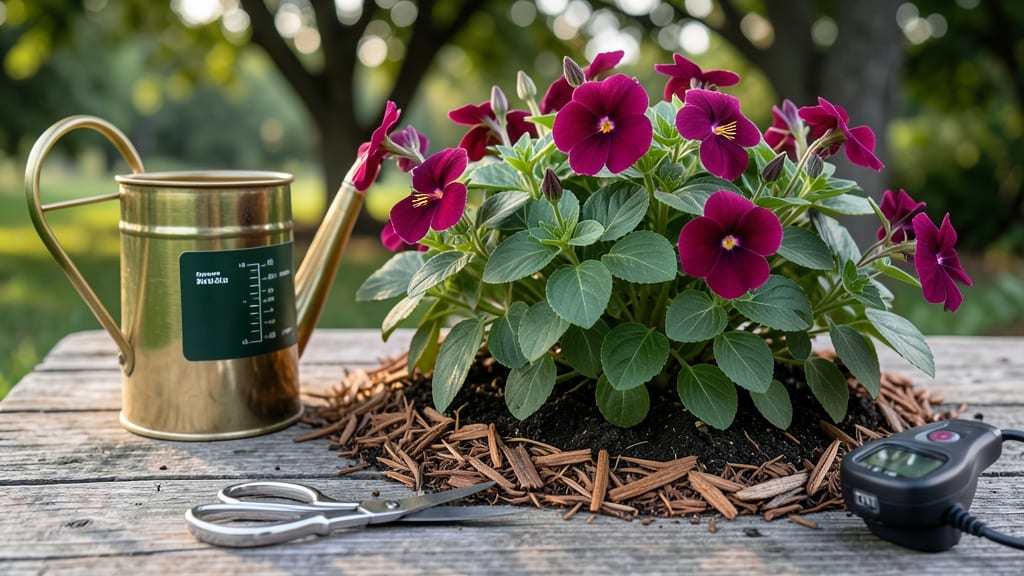
Here’s how to keep impatiens blooming—turning them into a nonstop floral show instead of a sad, leggy mess. 🌸 The secret to endless blooms isn't complicated—it's pruning, feeding, and stopping fungal problems before they start. I've had impatiens that lasted all summer with vibrant flowers, and I'll show you exactly how to get that same performance.
Start by deadheading spent blooms weekly—this alone keeps plants producing new flowers. Use balanced fertilizer every 4-6 weeks (I swear by 10-10-10), and prune leggy stems back by 1/3 to encourage bushier growth.
The key is consistent care: don't let them dry out completely, but don't drown them either—impatiens hate soggy roots.
Fungal issues like powdery mildew are the real bloom-killers, but you can prevent them with proper spacing (12-18 inches apart) and occasional neem oil sprays. Healthy plants in partial shade with morning sun will reward you with continuous blooms from spring until frost.
This works for both New Guinea and classic impatiens—just adjust fertilizing based on your soil. Container growers, pay special attention to drainage. The payoff? A garden bed that stays colorful all season without the constant deadheading headache.
📚 In This Guide
- What you need
- Instructions
- Tips and common mistakes
- Wrapping up and next steps
What you need
- ● Impatiens plants: Healthy, established plants (1-6 per container, depending on pot size). Choose Impatiens walleriana (garden impatiens) or Impatiens new guinea for best results.
- ● Balanced liquid fertilizer: 10-10-10 or 20-20-20 NPK ratio (2-3 tbsp per gallon of water). Fish emulsion or seaweed extract are great organic options.
- ● Pruning shears: Sharp, clean scissors or pruners (sterilize with rubbing alcohol between cuts).
- ● Watering can or hose with a gentle spray nozzle: Avoid overhead watering to prevent fungal issues.
- ● Mulch: 1-2 inches of organic mulch (e.g., shredded bark, pine straw) to retain moisture and suppress weeds.
- ● Fungicide (preventative): Copper-based or neem oil spray (ready-to-use bottle).
- ● Slow-release fertilizer granules: 1-2 tbsp per plant (applied at planting or mid-season).
- ● Garden gloves: For handling plants and mulch comfortably.
- ● pH test kit: To check soil pH (ideal range: 6.0-6.5 for impatiens).
- ● Shade cloth (30-50% coverage): For hot climates or afternoon sun protection.
- ○ Plant support (optional for tall varieties): Small stakes or cages if stems get leggy.
Step-by-step guide to prolonging impatiens blooms
Here’s how I keep my impatiens flowering nonstop—through pruning, feeding, and disease prevention.
✂️ Step 1: Prune Regularly for Bushier Growth
Pinch back leggy stems when they reach 6 inches tall to encourage branching. I use clean, sharp scissors to snip just above a leaf node, where new growth will sprout. This redirects energy from vertical growth to producing more buds. Avoid cutting into woody stems—impatiens are tender and won’t regrow from old wood.
Prune again after 4-6 weeks to remove spent blooms and any yellowing leaves. Deadheading isn’t just about looks—it signals the plant to focus on new flowers instead of seed production. Work in the morning when foliage is dry, and sterilize your tools with rubbing alcohol between cuts to prevent fungal spores from hitching a ride.
💧 Step 2: Water Deeply at the Base
Impatiens hate soggy roots but also wilt when their soil dries out. Water once or twice weekly, depending on your climate, until 1 inch of soil feels moist—test with your finger. I aim for the base, avoiding overhead watering, which can splash fungal spores onto leaves. Early morning is ideal; wet foliage at night invites powdery mildew.
Mulch with 2-3 inches of shredded bark to retain moisture and keep roots cool. This also blocks weeds that compete for nutrients. If you notice lower leaves yellowing, it’s often a sign of overwatering—let the top inch dry out before watering again.
☀️ Step 3: Feed Weekly During Bloom Season
Use a balanced liquid fertilizer (10-10-10 or 20-20-20) diluted to half strength every 7-10 days from spring through fall. I mix it into my watering can to avoid leaf burn. Impatiens are heavy feeders, but too much nitrogen leads to lush foliage and few blooms—always follow label instructions.
Switch to a low-nitrogen, high-phosphorus formula (like 5-10-5) when buds appear to encourage more flowers. Stop fertilizing in late summer to let plants harden off for cooler weather. Yellowing leaves after feeding? You’re overdoing it—rinse the soil with plain water to flush out excess salts.
🛡️ Step 4: Shield From Fungal Diseases
Impatiens are prone to powdery mildew and leaf spot. I prevent outbreaks by spacing plants 12-18 inches apart for airflow and removing any infected leaves immediately. At the first sign of white powder or brown spots, spray with a neem oil solution (1 tsp per quart of water) every 5-7 days until cleared.
Rotate pots or beds yearly to avoid soil-borne pathogens. If you notice blackened stems or wilting despite moist soil, it’s likely root rot—repot in fresh, sterile mix and trim away mushy roots. Prevention is key: avoid overhead watering and choose varieties like Impatiens walleriana ‘Super Elfin’ for better disease resistance.
⏰ Step 5: Adjust Care as Seasons Shift
In hot summer heat, move containers to partial shade to prevent leaf scorch. Impatiens tolerate 50-75°F best—above 85°F, blooms fade quickly. I also reduce watering slightly in heat waves, as soil dries faster. Bring potted plants indoors before first frost (or cover with frost cloth if left outside).
Overwintering? Trim back by half, reduce watering, and place in a cool, bright spot (like a sunroom). Resume feeding in early spring as new growth appears. With consistent care, your impatiens will reward you with months of vibrant blooms—and that’s the real payoff.
Tips & tricks for keeping impatiens blooming longer
Here's what I've learned after years of growing impatiens that refuse to quit flowering.
Pruning Precision: When pinching back those leggy stems at 6 inches, focus on the uppermost set of leaves. This is where new growth will sprout most vigorously. I've found that using your thumb and forefinger to gently pinch (rather than cutting) reduces stress on the plant. For the second pruning after 4-6 weeks, remove only the spent blooms—never cut into healthy growth. This keeps your plant producing flowers instead of seeds, which is where its energy would otherwise go.
Watering Wisdom: That 1-inch soil moisture test is crucial, but don't rely solely on your finger. I've learned to use a moisture meter for accuracy, especially in containers where soil dries unevenly. For the mulch layer, I prefer shredded cedar bark—it not only retains moisture but also repels pests naturally. When you see those lower leaves yellowing, it's often a sign to reduce watering slightly rather than increasing it, as impatiens prefer slightly drier conditions than many other plants.
Fertilizer Strategy: The switch to low-nitrogen, high-phosphorus fertilizer when buds appear is game-changing. I've had the best results with a 5-10-5 formula, but you can also use fish emulsion if you prefer organic options. The key is consistency—stick to that 7-10 day schedule during peak bloom season. I've noticed that when I get lazy and skip a feeding, my impatiens produce fewer but larger blooms, which is actually beautiful but not what most gardeners want for continuous color.
Disease Defense: That 12-18 inch spacing isn't just about airflow—it's also about creating an environment where fungal spores can't easily jump from plant to plant. I've found that a simple copper spray (1 tsp per quart of water) applied every 2 weeks during humid months provides even better protection than neem oil. And when you do see those first signs of powdery mildew, act immediately—don't wait for the 5-7 day treatment window. The sooner you intervene, the easier it is to save your plants.
Pro Tips for Keep Impatiens Blooming
- Here's what I've learned after years of growing impatiens that refuse to quit flowering.
- Pruning Precision: When pinching back those leggy stems at 6 inches, focus on the uppermost set of leaves.
- Watering Wisdom: That 1-inch soil moisture test is crucial, but don't rely solely on your finger.
Frequently asked questions
Got questions about keeping your impatiens in full bloom? You’re not alone! Here are some of the most common concerns—and quick solutions to keep those vibrant flowers thriving all season long.
Why are my impatiens blooming less than last year?
Over time, impatiens may slow down blooming due to age, poor soil nutrition, or overcrowding. Rejuvenate them by pruning spent blooms, fertilizing with a balanced bloom booster (like 10-10-10), and thinning out crowded plants. If they’re past their prime, consider replanting fresh starts for a fresh burst of color!
How often should I fertilize impatiens for continuous blooms?
Feed your impatiens every 2–4 weeks during the growing season (spring to fall) with a water-soluble, high-phosphorus fertilizer (e.g., 5-10-5). Avoid over-fertilizing—this can lead to lush foliage but fewer blooms. In cooler months, cut back to once a month or switch to a slow-release granular fertilizer for steady nutrition.
Can impatiens bloom in partial shade if I follow these tips?
Impatiens thrive in partial to full shade (2–6 hours of sunlight daily). To maximize blooms in shadier spots:
- Use light, well-draining soil enriched with compost.
- Water consistently—they hate soggy roots but need steady moisture.
- Choose dwarf or bush varieties (like ‘Super Elfin’), which adapt better to low light.
What should I do if my impatiens get fungal spots despite my precautions?
Fungal issues (like downy mildew or powdery mildew) often strike due to poor airflow or overhead watering. Act fast:
If impatiens feel too high-maintenance, try these shade-loving, long-blooming alternatives:
If the problem persists, consider replacing the plant—fungus can spread quickly!
Are there any low-maintenance alternatives to impatiens for shade gardens?
Most of these also benefit from regular deadheading and moist, well-draining soil.
Wrapping up and next steps
Keeping your impatiens blooming long and vibrant is all about consistent care—pruning to encourage growth, feeding with the right nutrients, and shielding them from pests and diseases. With a little patience and attention, your impatiens will reward you with stunning, continuous blooms all season! 🌸
Now that you’re armed with these tips, take action: grab your shears, check your soil, and give those plants the TLC they deserve. Happy gardening—your impatiens are waiting for you! 🌱