
Companion Plants
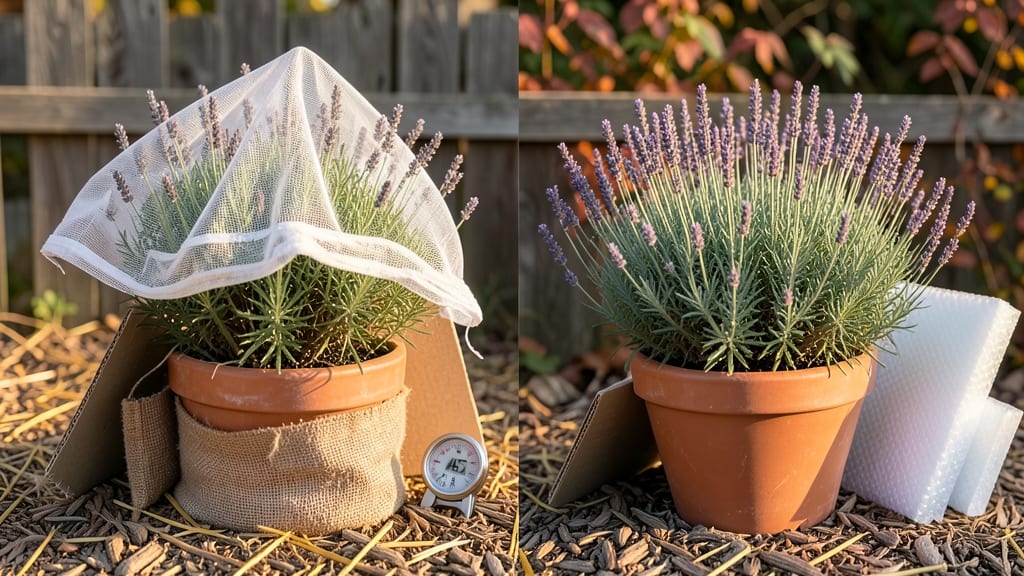
How to keep plants from freezing outside—my frost-bitten rosemary taught me the hard way—until I discovered these insulated barriers that save roots and keep plants thriving through 20°F nights. The difference between a crispy, frozen mess and lush, green growth often comes down to what you do before the first hard freeze hits.
Start with mulch—a thick layer (4-6 inches) of straw, leaves, or wood chips acts like a blanket, insulating roots from temperature swings. For delicate perennials like lavender or tender veggies, wrap them in burlap sacks or cover with frost cloth secured with bricks or stakes.
Even a simple cloche (a glass jar or plastic bottle) can protect seedlings overnight.
By spring, you’ll see plants that bounced back stronger than ever—no more blackened stems or wilted leaves. The key is acting before the ground freezes, so roots stay warm and undisturbed. This method works for everything from herbs to fruit trees, and it’s easier than you think.
Pro tip: Water plants deeply before a freeze—moist soil holds heat better than dry soil. And if you’re in a Zone 5-7, focus on late fall prep, because once the ground freezes, it’s too late to save shallow roots. Let’s get those plants winter-ready!
📚 In This Guide
- What you need
- Instructions
- Tips and common mistakes
- Wrapping up and next steps
What you need
- ● Insulation blankets or frost cloth – Choose a breathable, heavy-duty fabric (rated for 20-30°F). Size should cover plants completely with extra for securing. Example: 3x4 ft for small pots, 5x6 ft for shrubs.
- ● Stakes or hoops – Bamboo, metal, or PVC (½–1 inch diameter). Quantity: 4–6 per large plant, 2–3 for small pots.
- ● Twine, clips, or bungee cords – Non-metal to secure blankets without damaging plants.
- ● Mulch (straw, leaves, or wood chips) – 2–4 inches deep around plant bases (organic or inorganic). Cover at least 12 inches outward from stems.
- ● Containers or pots (if repotting) – Use insulated fabric pots or add air pockets (e.g., Styrofoam cups wrapped in burlap).
- ● Watering can with warm water – Room-temperature or slightly warm (avoid cold water near roots).
- ● Thermal mass protectors – Black plastic milk jugs (filled with water) or brick/stone barriers to absorb/release heat.
- ● LED grow lights – Low-wattage (10–20W) for 12+ hours/day during extreme cold snaps.
- ● Heating cables – Self-regulating (e.g., SunTouch) for large root zones (follow manufacturer specs!).
- ● Plant collars or root guards – Pre-made foam or DIY cardboard tubes to shield roots from wind/chill.
- ● Weatherproof sealant – For potted plants (e.g., silicone) to seal gaps in containers.
Tips & tricks for protecting plants from freezing temperatures
Between us, I’ve lost more plants to winter’s chill than I’d like to admit—until I discovered these game-changing strategies. The difference between a thriving garden and a sad, frozen mess often comes down to these simple but critical moves.
Layering is Key: Think of insulation like a winter coat for your plants. Start with a thick layer of straw or leaves (6-8 inches deep) around the base to block cold air from reaching the roots. Then add a blanket of burlap or frost cloth over the top—this traps heat radiating from the soil. For extra protection, drape a clear plastic sheet over the cloth, securing it loosely to create a mini greenhouse effect. The air pocket between layers acts as insulation, keeping temperatures above freezing.
Timing Matters: Don’t wait until the first frost hits—act a week before temperatures dip below 32°F. Plants need time to adjust to the barrier, and sudden changes can stress them. Also, remove covers on sunny days above 50°F to prevent overheating. I learned this the hard way after losing a prized rose bush to suffocation under a sealed plastic sheet during a warm spell.
Root Protection Wins: Focus on shielding the root zone, which is the most vulnerable part. Mound soil or mulch 6-12 inches high around the base of perennials and shrubs to create a thermal barrier. For potted plants, bury them partially in the ground or wrap pots in bubble wrap before adding mulch. Cold air sinks, so keeping roots insulated prevents the entire plant from freezing solid.
Pro Tips for Keep Plants From Freezing Outside
- Between us, I’ve lost more plants to winter’s chill than I’d like to admit—until I discovered these game-changing strategies.
- Layering is Key: Think of insulation like a winter coat for your plants.
- Timing Matters: Don’t wait until the first frost hits—act a week before temperatures dip below 32°F.
Frequently asked questions
Got questions about protecting your plants from frost? Here are some common concerns—and straightforward answers—to help you keep your greenery thriving through chilly nights.
What’s the safest temperature for most outdoor plants?
Most tender plants (like tomatoes, peppers, or basil) struggle below 32°F (0°C). Hardy perennials (e.g., lavender, rosemary) can handle 20–25°F (-6 to -4°C), but a light frost may still damage leaves. Always check your plant’s specific cold tolerance—some varieties are frost-resistant!
Can I just cover plants with blankets or towels?
Yes, but with caution! Lightweight fabrics (like frost cloth) work best—they trap heat while allowing airflow. Avoid heavy blankets or plastic, which can trap moisture and cause rot. Secure covers loosely to prevent wind damage, and remove them during the day for sunlight.
What’s the best time to apply protective barriers?
Set up barriers before the first frost (check your local forecast!). For temporary solutions, cover plants at dusk and remove them by mid-morning. Permanent structures (like hoop houses) can stay up year-round but should be removed in spring to prevent overheating.
What do I do if my plants already look frozen?
Don’t panic! Gently inspect stems—if they’re still flexible, the plant may recover. Trim dead foliage, water lightly (if soil isn’t frozen), and monitor for new growth. For severely damaged plants, consider propagating cuttings or starting fresh in spring.
Are there low-cost alternatives to commercial frost covers?
Use:
- Milk jugs or plastic bottles: Cut off the bottom and place over small plants (like herbs or seedlings).
- Cardboard boxes: Cover larger plants and secure with bricks or stakes.
- Snow: A light layer (6+ inches) insulates roots naturally—just avoid compacting it.
Wrapping up and next steps
Keeping your plants cozy through winter is totally doable with the right insulated barriers and a little prep work!
Whether you’re wrapping roots, using mulch, or setting up protective covers, these methods shield tender plants from frost damage while keeping them thriving. Remember: consistency is key—check on your plants regularly and adjust as needed.
Now that you’re armed with these freeze-proofing tricks, why not take it a step further? Experiment with companion planting or try a DIY greenhouse for extra warmth. Your garden will thank you—and so will your green thumb! 🌱❄️