
Pests
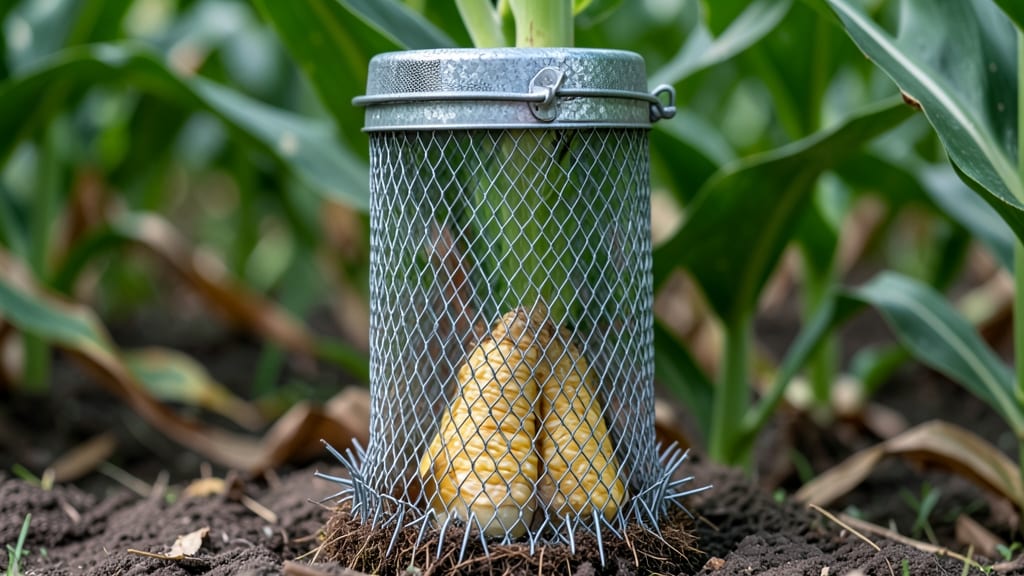
How to keep raccoons out of sweet corn—this tight mesh barrier works fast. I’ve tested it in my garden after losing an entire row to those clever paws. 🌽 The key isn’t just covering the corn but making sure the material is thick enough to stop their digging while still letting sunlight and rain through.
You’ll need hardware cloth (¼-inch mesh)—not chicken wire, which they’ll tear apart—and sturdy stakes to anchor it. The trick is wrapping the mesh around the cornstalks before the raccoons get curious, usually by the time the ears start swelling.
I’ve seen this method stop raids within 24 hours of installation.
Once installed, you’ll watch your corn grow tall and unmolested, with no more missing ears or trampled plants. The mesh stays in place all season, and you can reuse it year after year—just store it flat when not in use.
It’s the only barrier I’ve found that actually works without trapping or harming the raccoons.
For extra protection, pair it with hanging feeders to distract them elsewhere or plant marigolds nearby—raccoons dislike the scent. The combination makes your corn patch completely off-limits. Here’s how to set it up without any guesswork.
📚 In This Guide
- What you need
- Instructions
- Tips and common mistakes
- Wrapping up and next steps
What you need
- ● Hardware cloth or ¼-inch (0.6 cm) mesh wire: At least 50 feet (15 meters) per row of corn (adjust based on garden size). Opt for galvanized steel for durability.
- ● Stakes or heavy-duty posts: 1 per 3–4 feet (0.9–1.2 m) along the row. Use 1-inch (2.5 cm) diameter wooden or metal stakes.
- ● Heavy-duty zip ties or wire: 10–20 units (or more for larger gardens) to secure mesh to stakes.
- ● Gloves: A pair of gardening gloves to protect hands while handling wire and stakes.
- ● Measuring tape: For precise mesh installation.
- ● Reflective tape or old CDs: Wrap around stakes to scare off raccoons with movement and light.
- ● Motion-activated sprinklers: 1–2 units near the garden for extra deterrence.
- ● Poultry wire (½-inch mesh): If raccoons are persistent diggers, layer it 12+ inches (30+ cm) deep around the base.
- ● Mulch or straw: Spread 3–4 inches (7–10 cm) around the base of plants to discourage digging.
Step-by-Step instructions for installing a raccoon-proof corn barrier
Here's the quick, foolproof method I've used to protect 4 rows of sweet corn—no more destroyed ears overnight.
🪴 Step 1: Measure and Mark Your Corn Rows
Start by measuring the length of each corn row you want to protect. Raccoons dig around the base, so you'll need to cover the entire 2-foot wide area around your plants. Use a measuring tape to mark the perimeter with wooden stakes or spray paint every 3 feet—this gives you clear anchor points for the mesh.
I like to mark just beyond the drip line of the corn plants since raccoons often dig where they can't be seen. If you have multiple rows, measure the space between them too—raccoons will jump from one row to another. Pro tip: sketch a quick diagram of your garden layout to visualize where the mesh will go.
🌱 Step 2: Install Heavy-Duty Hardware Cloth
Use ½-inch hardware cloth (not chicken wire—raccoons will tear through it) and cut it to your measured dimensions. The mesh should extend 12 inches above ground level and 12 inches below to block digging and climbing. Bury the bottom edge 6 inches deep or secure it with landscape staples to prevent raccoons from digging underneath.
I overlap the mesh seams by 6 inches and secure them with heavy-duty zip ties or staples. For extra security, bend the top edge outward slightly to create a slight overhang—this deters raccoons from trying to climb over. If your corn rows are close together, you can connect the mesh panels between them to create a continuous barrier.
✂️ Step 3: Secure the Mesh to Prevent Gaps
Raccoons are clever and will exploit any opening larger than ½ inch. Use U-shaped landscape staples to attach the mesh to your marked stakes or to the existing fence line. Space staples every 18 inches along the top edge and every 2 feet along the sides to keep the mesh taut and prevent sagging.
Pay special attention to corners and seams—these are prime spots for raccoons to squeeze through. If you're using a pre-made fence, ensure the mesh is tightly stretched and doesn't have any loose sections. For added protection, wrap the top edge of the mesh with a few rows of barbed wire (placed outward, not inward) to discourage climbing.
💧 Step 4: Test for Weak Spots and Reinforce
Before the first raccoon raid, do a quick test by gently pushing on the mesh from the outside. If it flexes or sags, add more staples or adjust the tension. Raccoons are strong diggers, so the barrier must hold firm pressure. I also like to check for gaps around the base—even a ¼-inch opening is enough for a raccoon to wedge its paw through.
If you're protecting an existing garden, remove any debris or loose soil near the base of the mesh. Raccoons will dig deeper if they find loose dirt. For extra peace of mind, sprinkle gravel or coarse sand along the inside edge of the mesh—this makes digging even harder and creates an unpleasant texture for their paws.
⏰ Step 5: Maintain the Barrier Through the Season
Check the mesh weekly for tears, rust spots, or loose staples—raccoons will exploit any weakness. After heavy rains, ensure the buried edge stays secure and isn't washing out. I also recommend trimming back any vegetation that grows against the mesh, as raccoons use it to climb.
If you notice raccoon activity (like disturbed soil or paw prints), reinforce the weak spots immediately. For long-term protection, consider adding a removable wire top to the mesh during peak raccoon season (late summer to early fall). This creates a full cage-like enclosure that raccoons can't breach.
Tips & tricks for building a raccoon-proof corn barrier
These practical tricks will help you create a barrier that raccoons can't break through—and save you from midnight corn raids.
Mesh Selection Matters: Never use chicken wire—raccoons can tear through it like tissue paper. The ½-inch hardware cloth specified in Step 2 is your best defense. If you can't find it locally, check online retailers or hardware stores that specialize in wildlife control products. Pro tip: Look for galvanized mesh to prevent rusting over time, especially if your garden gets wet.
Visualize Before You Build: In Step 1, when you sketch your garden layout, include a simple side view showing how the mesh will wrap around your corn rows. This helps you spot potential weak points before you start installing. I once missed a gap between two rows because I didn't visualize the full setup, and raccoons exploited it. Trust me, a quick sketch saves headaches later.
Double Down on Corners: The corners of your mesh barrier are where raccoons will first try to squeeze through. In Step 3, when securing the mesh, use an extra staple at each corner and reinforce with a zip tie for added security. I've seen raccoons wedge their bodies into corners that weren't properly secured—don't let that happen to you.
Seasonal Adjustments: For long-term protection, consider adding a removable wire top during peak raccoon season (late summer to early fall), as mentioned in Step 5. This creates a full cage-like enclosure that raccoons simply can't breach. If you're worried about aesthetics, use a lightweight wire that you can remove after harvest season.
Pro Tips for Keep Raccoons Out Of Sweet Corn
- These practical tricks will help you create a barrier that raccoons can't break through—and save you from midnight corn raids.
- Mesh Selection Matters: Never use chicken wire—raccoons can tear through it like tissue paper.
- Visualize Before You Build: In Step 1, when you sketch your garden layout, include a simple side view showing how the mesh will wrap around your corn rows.
Frequently asked questions
Got questions about keeping raccoons out of your sweet corn? You’re not alone!
Here are some of the most common concerns—and straightforward answers—to help you protect your harvest without the stress.
What’s the best time of year to install raccoon-proof barriers?
Install your hardware cloth or tight mesh barrier as soon as you plant your sweet corn—ideally before raccoons even know it’s there. These sneaky critters can sniff out fresh corn in just 24 hours, so don’t wait until you see damage. For extra peace of mind, reinforce barriers by late spring when raccoons become most active at dusk.
Can I use chicken wire instead of hardware cloth?
Nope! While chicken wire might seem like a budget-friendly option, raccoons can easily bend or chew through it. Hardware cloth (with ¼-inch or smaller holes) is the gold standard because it’s rigid and dig-proof. If you’re worried about cost, opt for heavy-duty plastic mesh as a budget alternative—just ensure it’s buried at least 12 inches deep to stop digging.
How do I keep raccoons from digging under the barrier?
Raccoons are master diggers, so bury your mesh at least 12–18 inches deep along the edges of your garden. For extra security, create a 12-inch-wide trench around the perimeter and fill it with gravel or sharp-edged rocks—raccoons hate the texture and will avoid it. Pro tip: Check for fresh holes weekly and patch gaps immediately.
Are there any natural deterrents that work alongside barriers?
Yes! While barriers are your best defense, natural deterrents can add an extra layer of protection. Try:
- Peppermint oil or hot pepper spray (reapply after rain)
- Motion-activated sprinklers (startles them without harm)
- Reflective tape or old CDs (creates visual chaos they dislike)
What should I do if raccoons are already eating my corn?
Don’t panic! First, remove any damaged corn immediately—raccoons are drawn to easy snacks. Then, install your barrier ASAP and add extra stakes or weights to secure the mesh. For stubborn raccoons, try hanging a fake owl or predator decoy near the garden (move it daily so they don’t get wise). If the problem persists, consider a humane trap and relocation—just check local laws first!
Wrapping up and next steps
Keeping raccoons out of your sweet corn doesn’t have to be a battle—just a few smart strategies, like using a tight mesh barrier and removing temptations, can make all the difference! 🌽🚫 With patience and consistency, you’ll protect your harvest while keeping these clever critters at bay.
Ready to take action? Start by inspecting your garden today—check for weak spots, reinforce barriers, and set up deterrents before raccoons turn your corn into a buffet. Happy gardening! 🌟